
News
Hot Products

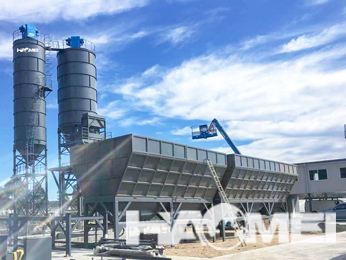
How Much Does a JS500 Forced Concrete Mixer Cost?
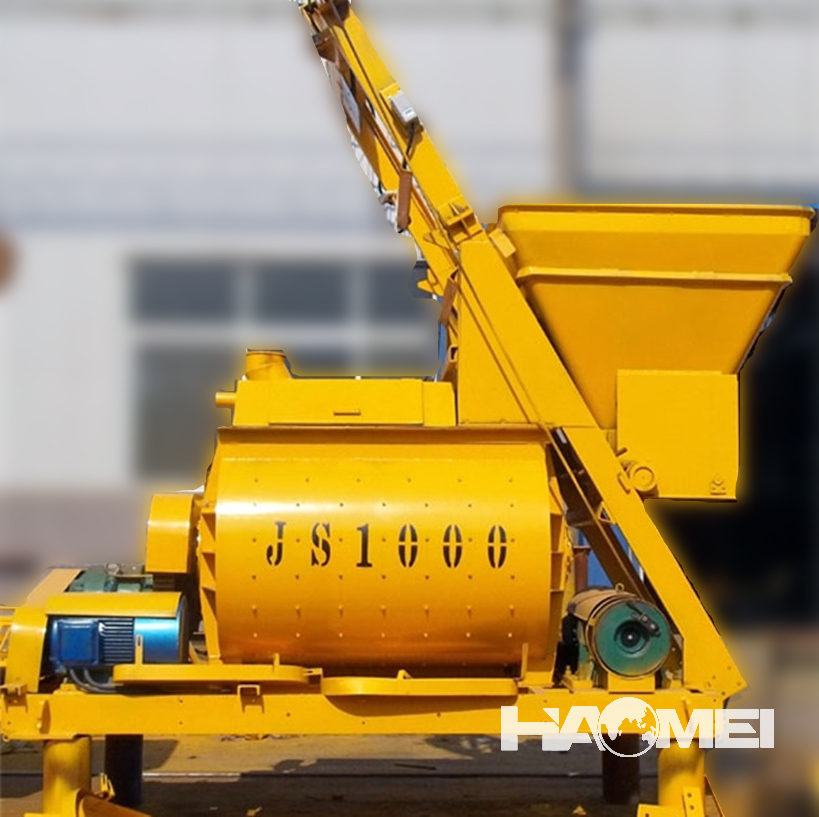
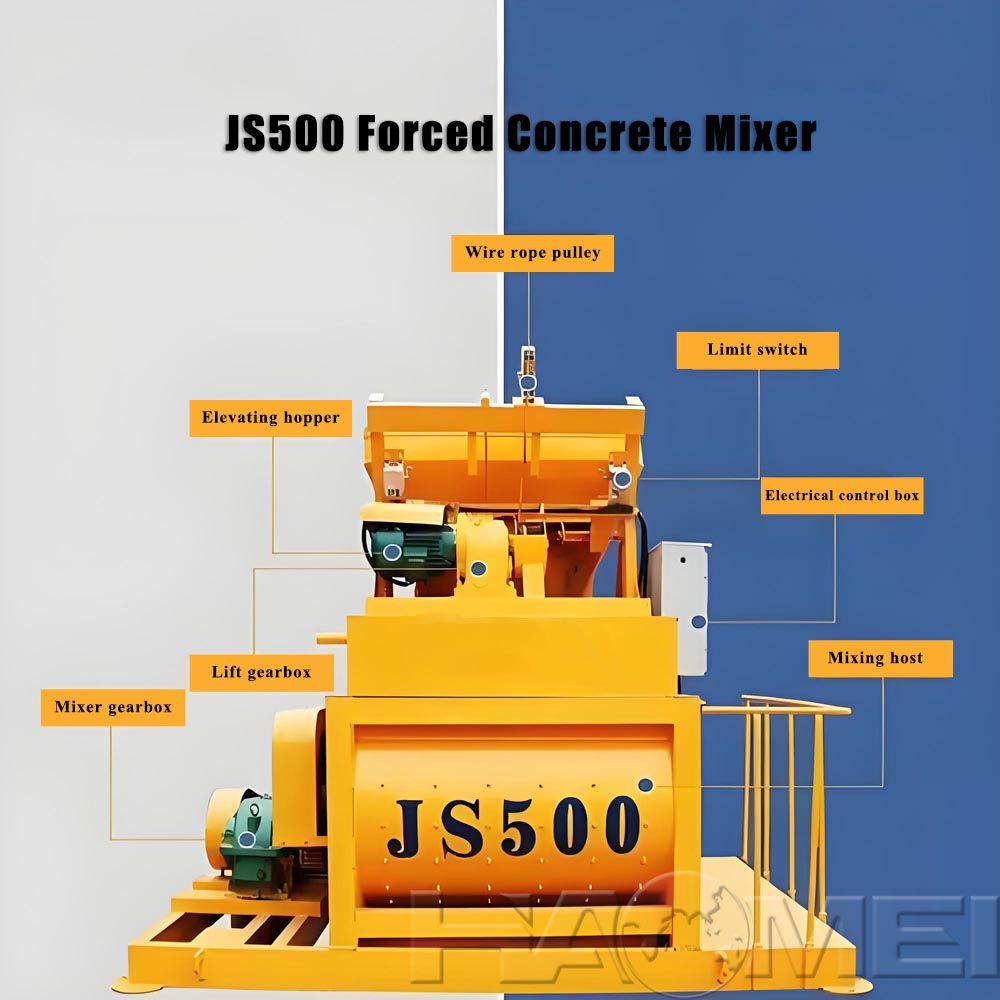
In the field of concrete machinery, the JS500 forced twin-shaft concrete mixer has become an ideal choice for small and medium-sized construction projects, commercial concrete batching plants, and precast component factories due to its reliable performance and wide applicability.
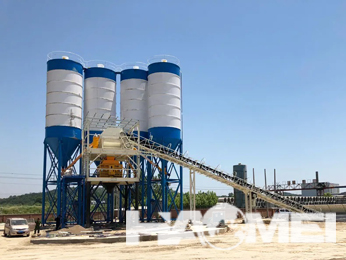
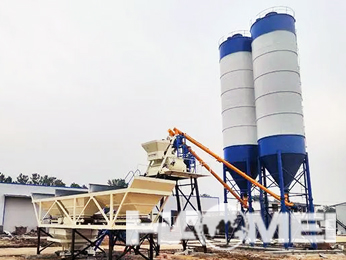
The JS500 concrete mixer can produce approximately 0.5 cubic meters of fresh concrete per batch. It is capable of mixing dry-hard concrete, plastic concrete, flowing concrete, lightweight aggregate concrete, as well as various mortars and cement slurries. With high efficiency and broad application scope, it is a highly versatile mixing machine. The JS500 can operate as a standalone unit or be combined with a PLD series batching machine to form a simple concrete batching plant. It is also widely used as the main mixer for HZS25 concrete batching plants.
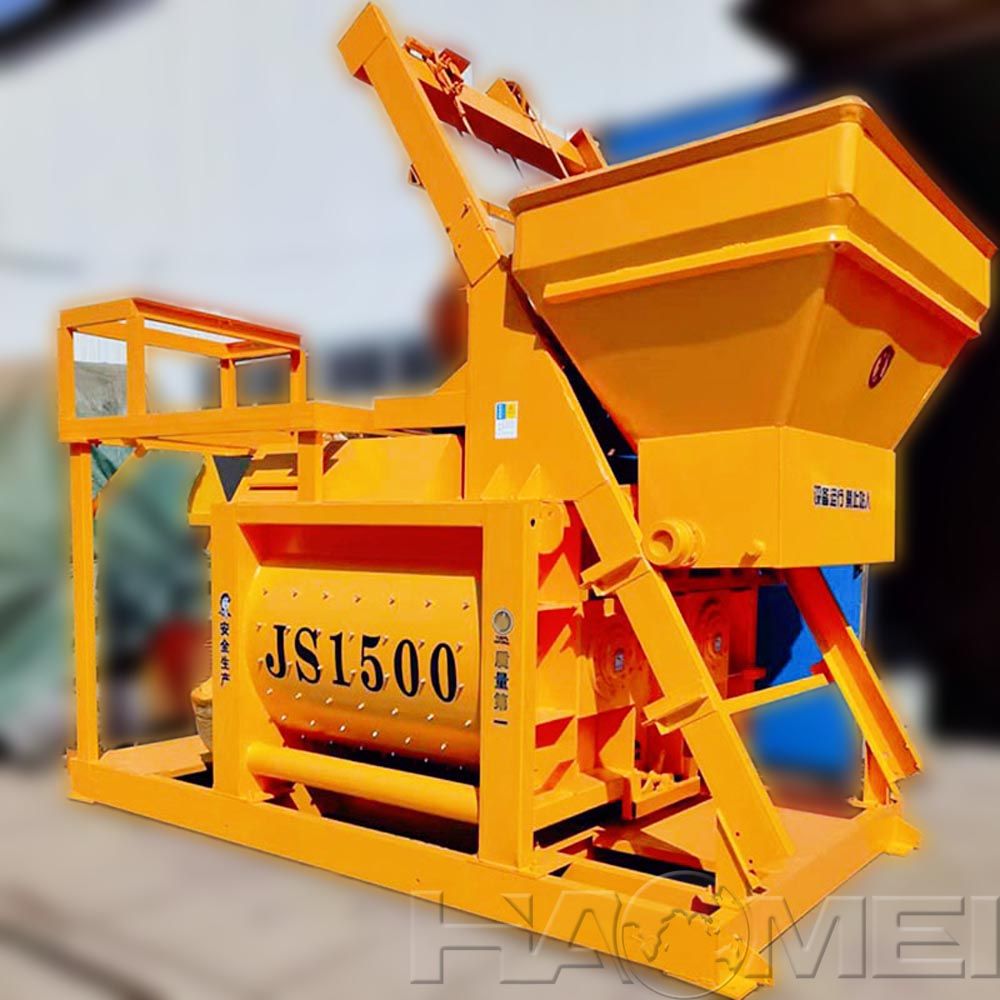
Why Choose the JS500 Forced Concrete Mixer?
1. High Mixing Efficiency
Adopting twin-shaft compulsory mixing technology, the JS500 delivers fast mixing speed, producing approximately 0.5 cubic meters of concrete per batch. Compared with self-falling mixers of the same capacity, the mixing time is reduced by more than 50%, significantly improving production efficiency.
2. Excellent Mixing Quality
With well-designed mixing blades and liners, the JS500 ensures uniform concrete mixing and consistent quality. It is suitable for dry-hard concrete, plastic concrete, lightweight aggregate concrete, and various mortars.
3. Reliable Structure and Durability
Key components such as mixing arms and blades are made of special cast steel materials. The shaft-end sealing system typically adopts a four-layer seal design, effectively preventing slurry leakage and extending the service life of the equipment.
4. Easy Operation and Maintenance
The mixer features a compact structure and rational layout, equipped with a user-friendly control system that supports automatic rotation and other functions. Wear parts are easy to replace, resulting in low maintenance costs.
5. Flexible Operating Modes
The JS500 can be used as an independent mixer or combined with batching equipment to form a concrete batching plant, meeting different project scales and requirements such as precast plants, highways, bridges, and other construction projects.
JS500 Concrete Mixer Price
The price of the JS500 forced concrete mixer varies depending on the supplier, region, factory configuration, and optional accessories. Based on current market quotations from multiple manufacturers, the reference price range for new machines is approximately:
USD 5,000 to USD 6,500 per set for standard industrial models
USD 3,500 to USD 4,500 for factory-direct offers or simplified configurations
Actual prices may vary due to logistics costs, taxes, installation fees, and customization requirements (such as electrical or hydraulic configurations).
Please note that quoted prices usually do not include freight, customs duties, installation costs, or local compliance fees. It is recommended to request an official quotation from the supplier to confirm the final landed cost based on your location and configuration needs.
Typical Application Scenarios of the JS500 Concrete Mixer
1. Small and Medium Commercial Concrete Batching Plants
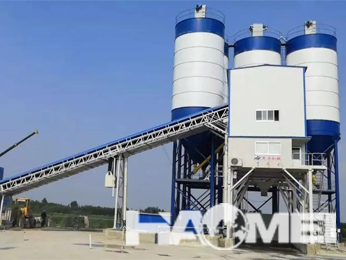
Used as the main mixer for HZS25/HZS30 batching plants, supplying ready-mixed concrete for urban construction and small real estate projects.
2. Precast Component Plants
Ideal for producing pipe piles, utility tunnels, blocks, and other precast products where concrete consistency is critical.
3. Infrastructure Projects (Roads and Bridges)
Suitable for on-site concrete mixing for piers, decks, pavements, and other structural components.
4. Rural Housing and Small Projects
Used for residential construction, water conservancy projects, and similar applications, offering moderate output capacity without material waste.
Maintenance Tips: How to Extend the Service Life of the JS500 Mixer
Regular Lubrication: Check and lubricate key bearings weekly to prevent excessive wear.
Cleaning: Clean residual materials inside the mixing drum promptly after each operation.
Electrical Inspection: Periodically inspect motors and control cabinets to ensure safe and reliable operation.
FAQ
Q1: What is the difference between JS500 and JZC350 mixers?
A: The fundamental difference lies in the mixing method. JS mixers are compulsory mixers with strong mixing force, high efficiency, and superior concrete quality, suitable for all types of concrete. JZC mixers are self-falling mixers that rely on gravity for mixing. They have a simpler structure and lower price but lower mixing efficiency and poorer concrete quality, especially for dry-hard concrete.
Q2: What are the main wear parts of the JS500, and how often should they be replaced?
A: The main wear parts include mixing blades, liners, and side blades. When using standard high-chromium alloy wear parts, they can typically support continuous production of 30,000-50,000 cubic meters of concrete. It is recommended to check bolt tightness every 100 operating hours and evaluate wear conditions every six months to determine replacement needs and maintain mixing accuracy.
Q3: What is the actual hourly output of the JS500 mixer?
A: The theoretical output of the JS500 is 25 m³ per hour. In actual operation, output is affected by batching speed, truck loading time, and concrete mix design. With an average cycle time of about 72 seconds per batch (0.5 m³), the practical production capacity is typically 18-22 m³/h.