
News
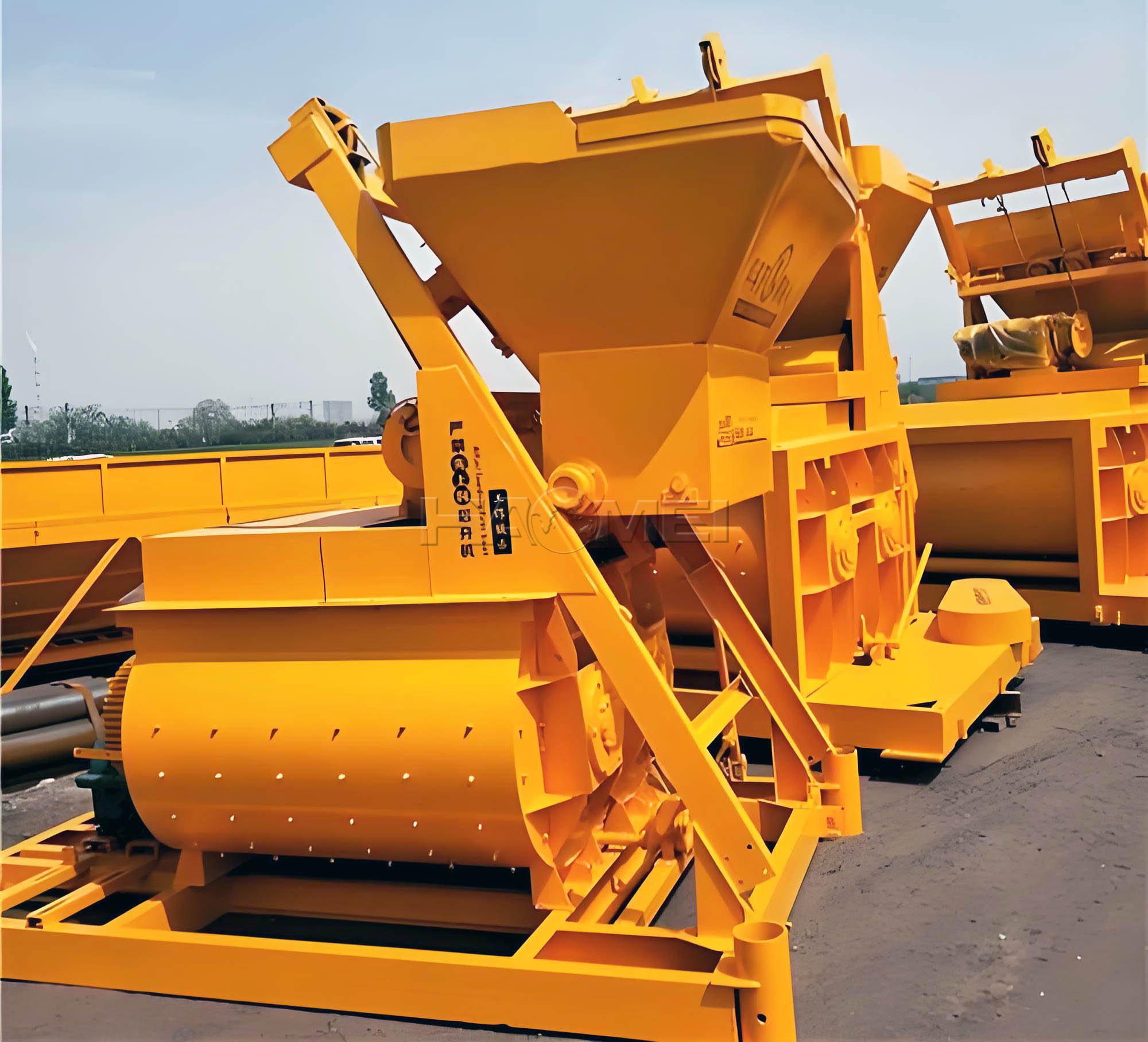
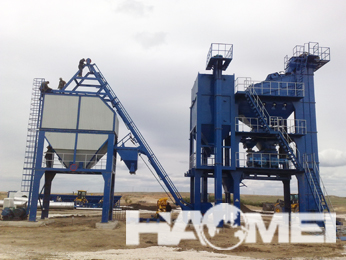
Sicoma Concrete Mixer for Concrete Batching Plant
A Sicoma concrete mixer is commonly specified as the central mixing unit in concrete batching plants serving ready-mix production, precast work, road construction, and infrastructure projects. Mixer selection affects not only concrete homogeneity, but also the layout of the batching plant, aggregate feeding arrangement, discharge connection, control logic, and maintenance planning.
As a construction machinery manufacturer, the factory evaluates mixer configuration according to the required concrete grade, aggregate characteristics, production process, local power conditions, and the operating pattern of the project. A suitable mixer should be integrated with the batching system as a complete production unit rather than selected solely by nominal output.
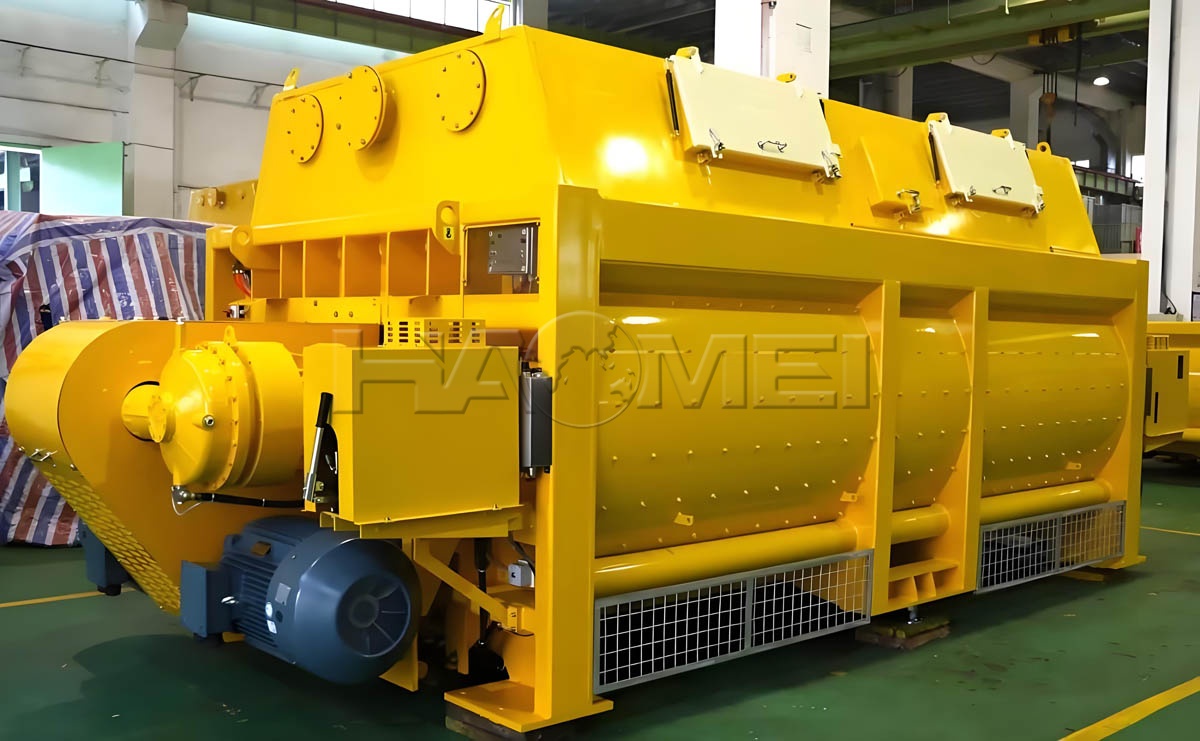
Role of the Mixer in a Concrete Batching Plant
In a typical concrete batching plant, aggregates are weighed and delivered from aggregate storage, while cement, water, admixtures, and supplementary materials are measured by separate dosing systems. These materials enter the mixer in a controlled sequence. The mixer then uses mechanical mixing action to distribute cement paste and aggregates throughout the batch before the finished concrete is discharged into a transit mixer, hopper, bucket, or another downstream handling system.
A Sicoma twin shaft concrete mixer is generally used where forced mixing is required. Its horizontal shafts and mixing tools create overlapping material movement inside the mixing chamber. This working principle is suitable for conventional plastic concrete, dry or low-slump mixes, and many mixes containing larger aggregates or mineral additions, subject to project mix design and equipment configuration.
| Batching Plant Section | Main Function | Mixer Integration Consideration |
|---|---|---|
| Aggregate batching system | Stores, weighs, and discharges aggregates | Aggregate discharge timing and feed path should match the mixer inlet arrangement |
| Powder weighing system | Measures cement, fly ash, slag, or other powders | Powder feeding should be coordinated with aggregate and water addition sequence |
| Water and admixture system | Controls water-cement ratio and chemical admixture dosing | Pipe routing, valves, and dosing accuracy should support the required mixing process |
| Mixing system | Mixes weighed materials into fresh concrete | Mixer type, drive arrangement, lining, and discharge design should suit the mix |
| Control system | Coordinates weighing, feeding, mixing, and discharge | PLC logic should include mixer interlocks, timing, alarms, and maintenance prompts |
Twin-Shaft Mixing Structure and Working Principle
The core structure of a Sicoma concrete mixer typically includes the mixing tank, twin mixing shafts, mixing arms, paddles, wear liners, drive motors, reducers, shaft-end seals, hydraulic discharge mechanism, and electrical control interfaces. During operation, the two shafts rotate in opposite directions. Mixing paddles move the materials through the chamber, creating circulation and intermeshing flow zones.
The mixing result is influenced by more than the mixer itself. Material gradation, moisture content, loading order, mixing time, water addition method, admixture compatibility, and cleaning practice all affect fresh concrete consistency. Therefore, batching plant commissioning should include test mixing with the actual aggregates and binder system used at the site.
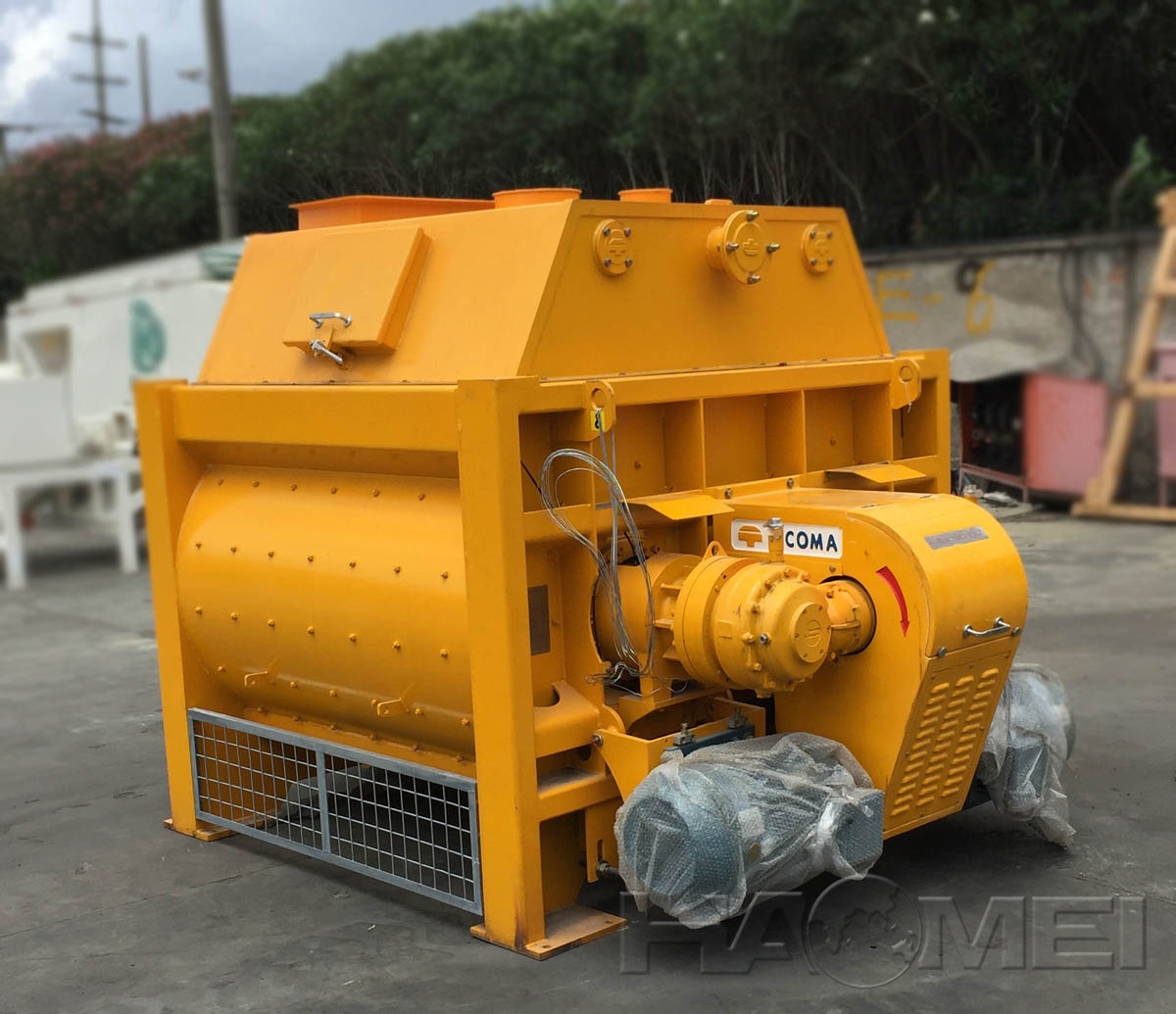
| Component | Function in the Mixing Process | Maintenance Focus |
|---|---|---|
| Mixing shafts | Transfer drive power into the mixing chamber | Check alignment, rotation condition, and bearing condition |
| Mixing arms and paddles | Move and blend aggregates, cement paste, and water | Inspect wear and replace worn parts in matched sets where required |
| Wear liners | Protect the mixer body from abrasion | Monitor thickness and fastener condition during routine inspections |
| Shaft-end seals | Limit slurry leakage around the shaft ends | Maintain lubrication and inspect seals according to operating conditions |
| Drive system | Provides torque to the mixing shafts | Check reducer oil, couplings, motors, and electrical connections |
| Discharge door | Releases completed concrete from the mixer | Inspect hydraulic operation, door clearance, and sealing surfaces |
Selecting a Sicoma Concrete Mixer Configuration
For a concrete batching plant, mixer selection should start with the project's required batch volume and production rhythm, then be checked against concrete type and installation conditions. A larger mixer is not automatically the best solution if the plant frequently produces small batches, changes concrete grades often, or has limited aggregate supply and truck dispatch capacity.
The factory can integrate a Sicoma Concrete Mixer into stationary, compact, mobile, or foundation-free batching plant layouts based on the selected process flow. The interface design should consider loading height, platform access, discharge elevation, dust collection points, electrical connection, and future replacement access for wear parts.
| Selection Factor | Engineering Question | Typical Configuration Impact |
|---|---|---|
| Concrete application | Is the plant producing ready-mix, precast, pavement, or general construction concrete? | Influences mixer type, lining selection, discharge arrangement, and control recipe settings |
| Aggregate characteristics | What are the maximum aggregate size, shape, hardness, and moisture variation? | Affects paddle arrangement, liner wear expectation, and feeding method |
| Concrete consistency | Will the plant produce wet, plastic, low-slump, or special mixes? | Determines mixing sequence, water dosing method, and required mixing verification |
| Production schedule | Will the plant run intermittently, in shifts, or continuously? | Influences drive-duty requirements, maintenance planning, and spare parts preparation |
| Site conditions | Are there limits on installation area, power supply, transport, or climate? | Affects plant layout, insulation, electrical specification, and service access |
| Automation level | Is manual support needed or is recipe-based automated production required? | Determines control system functions, data recording, and interlock design |
Engineering Applications
Sicoma concrete mixers can be applied in batching plants where consistent mixing action and practical maintenance access are important. The final equipment arrangement should be matched to the job's concrete mix design and operating environment.
| Application Scenario | Typical Concrete Requirement | Recommended Plant Integration Focus |
|---|---|---|
| Ready-mix concrete production | Multiple grades with frequent recipe changes | Recipe management, rapid cleaning procedures, and coordinated truck loading |
| Precast concrete production | Stable mix quality for repeated casting cycles | Controlled batching sequence, moisture correction, and reliable discharge control |
| Road and bridge projects | Continuous supply to distributed construction zones | Aggregate logistics, dust control, and robust site power arrangement |
| Hydropower and infrastructure works | Project-specific mix designs and demanding aggregate conditions | Wear protection, material feeding layout, and maintenance access |
| Commercial construction sites | Flexible output for changing project phases | Compact plant layout and integration with local aggregate handling equipment |
For smaller or medium-scale batching requirements, a twin-shaft unit such as a JS1000 Concrete Mixer may also be considered where its batch size and plant configuration match the project demand. The final choice should be confirmed through technical review rather than model comparison alone.
Installation and Commissioning Considerations
Correct installation is essential to maintain mixer performance and service life. The mixer frame must be mounted on a stable supporting structure, and the plant should provide adequate access for inspection of motors, reducers, shaft seals, liners, and discharge components. Feeding equipment must deliver materials evenly without causing unnecessary impact or blockage at the inlet.
During commissioning, the batching plant should be checked as a complete system. This includes weighing accuracy verification, material discharge sequence, mixer rotation direction, water and admixture delivery, discharge-door response, emergency stop functions, and control system interlocks. Trial batches should use the actual materials intended for production whenever possible.
| Commissioning Item | Check Objective |
|---|---|
| Mixer rotation | Confirm both shafts rotate in the specified direction and without abnormal noise |
| Material feeding sequence | Verify aggregates, powders, water, and admixtures enter according to the approved process |
| Discharge operation | Confirm the discharge door opens, closes, and seals correctly |
| Control interlocks | Ensure the plant prevents unsafe or incorrect operating sequences |
| Leakage inspection | Check shaft ends, hydraulic lines, water pipes, and discharge areas |
| Trial mixing | Assess the practical mixing process using the project's approved concrete materials |
Maintenance Practices for Reliable Operation
Concrete mixing equipment operates in an abrasive and moisture-intensive environment. Preventive maintenance is therefore more effective than waiting for visible failure. Operators should follow the equipment manual, the site's safety procedure, and the maintenance schedule established for actual operating hours and material conditions.
Important routine practices include cleaning residual concrete after production, checking lubrication points, inspecting the condition of mixing tools and liners, monitoring shaft-end sealing areas, and confirming that electrical and hydraulic systems remain secure. Spare parts planning should prioritize normal wear components and service items appropriate for the mixer configuration.
| Maintenance Area | Routine Practice | Operational Benefit |
|---|---|---|
| Mixing chamber | Remove residual concrete after production | Reduces buildup that can affect loading and discharge |
| Wear parts | Inspect paddles, arms, liners, and fasteners | Supports stable mixing geometry and planned replacement |
| Shaft-end system | Check lubrication and signs of leakage | Helps protect bearings and sealing components |
| Drive system | Inspect motors, reducers, couplings, and mounting bolts | Supports smooth torque transmission |
| Hydraulic discharge system | Check oil condition, cylinders, hoses, and door movement | Maintains reliable concrete discharge |
| Electrical system | Inspect cables, sensors, terminals, and control signals | Reduces avoidable shutdowns caused by connection issues |
Industry Trend: Integrated and Serviceable Mixing Systems
Concrete batching plant development is increasingly focused on process integration, material efficiency, automation, environmental management, and lifecycle maintenance. For mixer systems, this means that customers are paying closer attention to moisture correction, recipe traceability, dust control interfaces, wear-part accessibility, and the ability to maintain equipment without interrupting the overall plant workflow for extended periods.
A Sicoma concrete mixer for a concrete batching plant should therefore be evaluated as part of a coordinated engineering system. Proper sizing, compatible batching equipment, practical installation, disciplined operation, and scheduled maintenance are the key factors supporting dependable concrete production across different project conditions.