
News
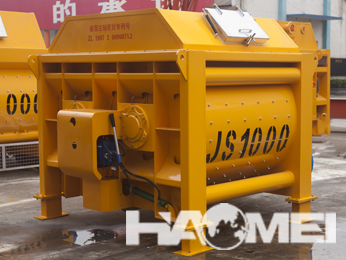
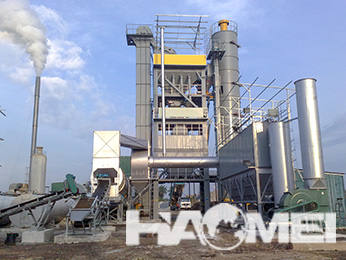
Sicoma Concrete Mixer for Sale
For concrete batching plant projects, the mixer is one of the core units affecting mixing uniformity, production continuity, maintenance workload, and overall plant layout. A Sicoma concrete mixer is commonly selected for ready-mix concrete plants, precast production lines, infrastructure projects, and commercial concrete supply stations where stable forced mixing is required.
From the perspective of a concrete equipment manufacturer, the purchase of a Sicoma concrete mixer for sale should not be evaluated only by model name or price. The mixer should be matched with aggregate characteristics, batching system capacity, discharge method, control system, site space, and maintenance conditions.
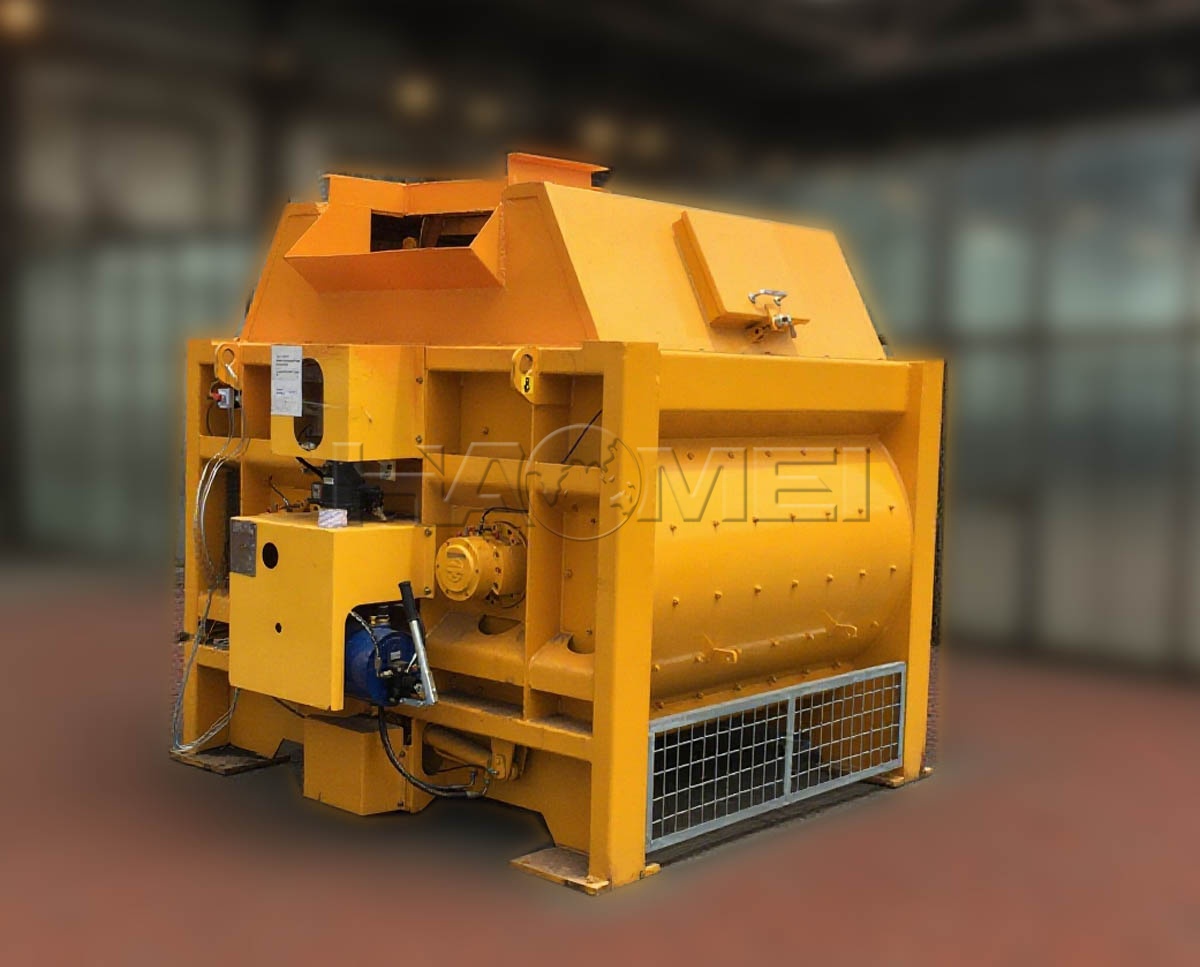
1. Role of the Sicoma Concrete Mixer in a Batching Plant
In a concrete batching plant, aggregates, cement, water, and admixtures are measured by the batching and weighing system before entering the mixer. The twin-shaft forced mixing mechanism then drives the material to form intersecting circulation paths, helping different components disperse and combine within a controlled mixing cycle.
The mixer is closely connected with the following plant systems:
| Connected System | Function in the Plant | Key Matching Point |
|---|---|---|
| Aggregate batching system | Supplies sand and stone according to formula | Feeding capacity and aggregate size should match mixer volume |
| Cement and powder weighing system | Measures cement, fly ash, slag powder, or other powders | Feeding interface and dust control should be considered |
| Water and admixture system | Controls water and chemical additive dosage | Spray position and dosing accuracy affect mixing consistency |
| Electrical control system | Manages feeding, mixing, discharging, and alarms | Control signals should be compatible with plant automation |
| Discharge and conveying system | Sends mixed concrete to mixer truck, pump, or skip | Discharge height and gate structure should fit site layout |
2. Main Structure and Working Principle
A Sicoma twin-shaft concrete mixer generally uses two horizontal mixing shafts equipped with mixing arms and blades. When the shafts rotate in opposite directions, the material is pushed, lifted, sheared, and folded repeatedly. This forced mixing principle is suitable for common concrete, dry-hard concrete, precast concrete, and other mix designs that require efficient material dispersion.
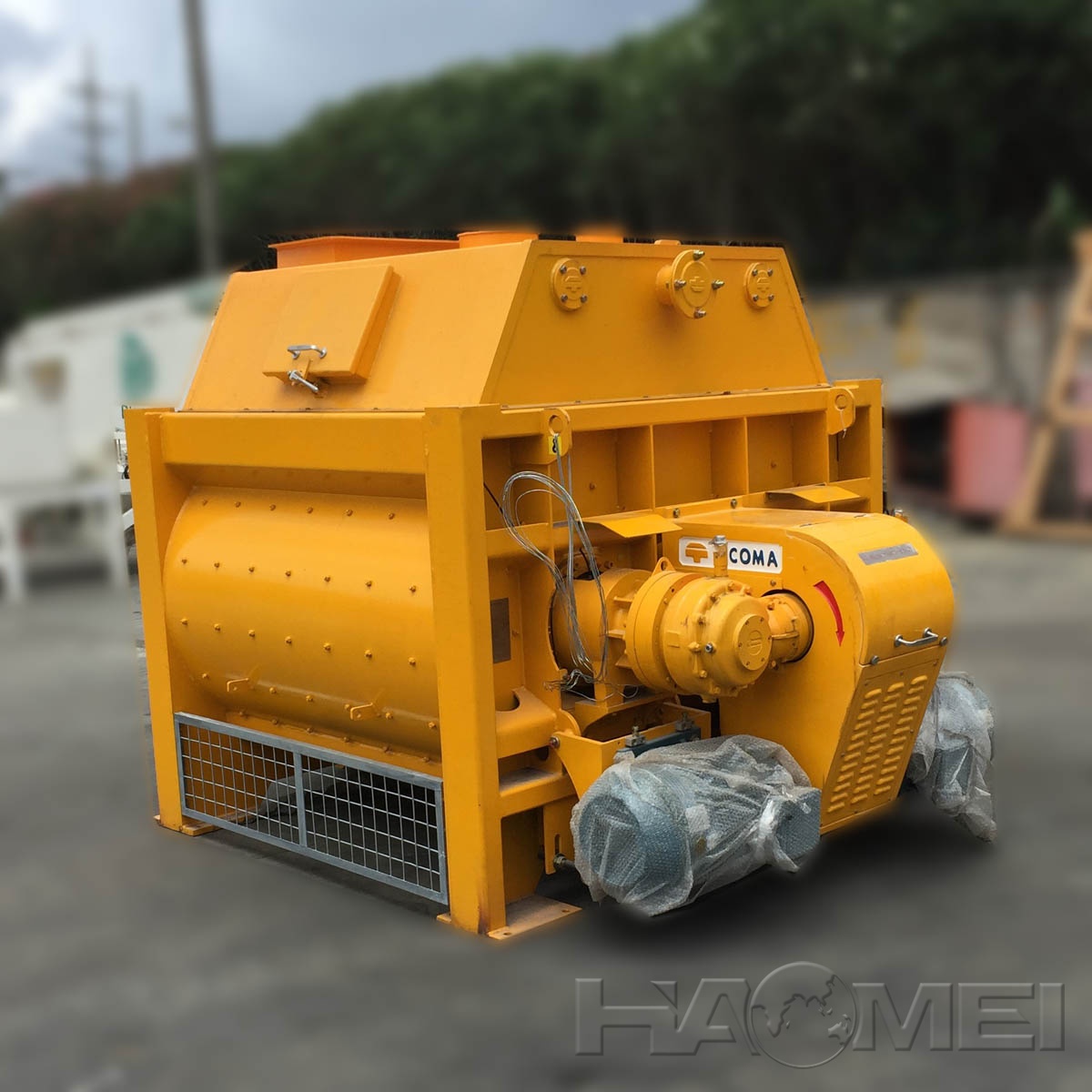
Main structural sections usually include:
| Component | Main Function | Selection or Maintenance Focus |
|---|---|---|
| Mixing tank | Holds materials during the mixing process | Wear lining, internal space, and cleaning access |
| Mixing shafts | Drive the movement of arms and blades | Shaft sealing, bearing support, and transmission stability |
| Mixing arms and blades | Create forced material circulation | Wear resistance and replacement convenience |
| Shaft end sealing system | Helps reduce slurry leakage at shaft ends | Regular inspection and correct lubrication are important |
| Transmission system | Transfers power from motor and reducer to shafts | Motor standard, reducer type, and protection level |
| Discharge gate | Controls concrete discharge | Pneumatic or hydraulic configuration depends on plant design |
| Lubrication system | Supports bearing and seal maintenance | Centralized lubrication can reduce routine workload |
3. Configuration Options for Project Matching
When a Sicoma concrete mixer is selected for a batching plant, configuration should be confirmed based on the production process rather than treated as a standalone purchase. A factory-level selection process normally considers mechanical installation, electrical integration, operation habits, and maintenance space.
| Project Requirement | Recommended Configuration Focus | Engineering Consideration |
|---|---|---|
| Ready-mix concrete production | Stable twin-shaft forced mixer with reliable discharge gate | Suitable for frequent batch cycles and truck loading |
| Precast component production | Mixer with strong mixing action and convenient cleaning access | Helps handle lower-slump or dry-hard concrete formulas |
| High-rise or pumping concrete | Uniform mixing and controlled water-admixture distribution | Supports concrete workability before pumping |
| Overseas construction sites | Electrical standard, voltage, frequency, and spare parts plan | Reduces commissioning and maintenance uncertainty |
| Plant upgrading or replacement | Interface dimensions, foundation, discharge height, and control signals | Helps fit the new mixer into an existing plant layout |
4. Engineering Applications
Sicoma concrete mixers are often used in concrete production scenarios where batching accuracy, mixing uniformity, and continuous operation are important. The mixer can be integrated into stationary concrete batching plants, compact concrete plants, precast concrete lines, and some modular plant designs.
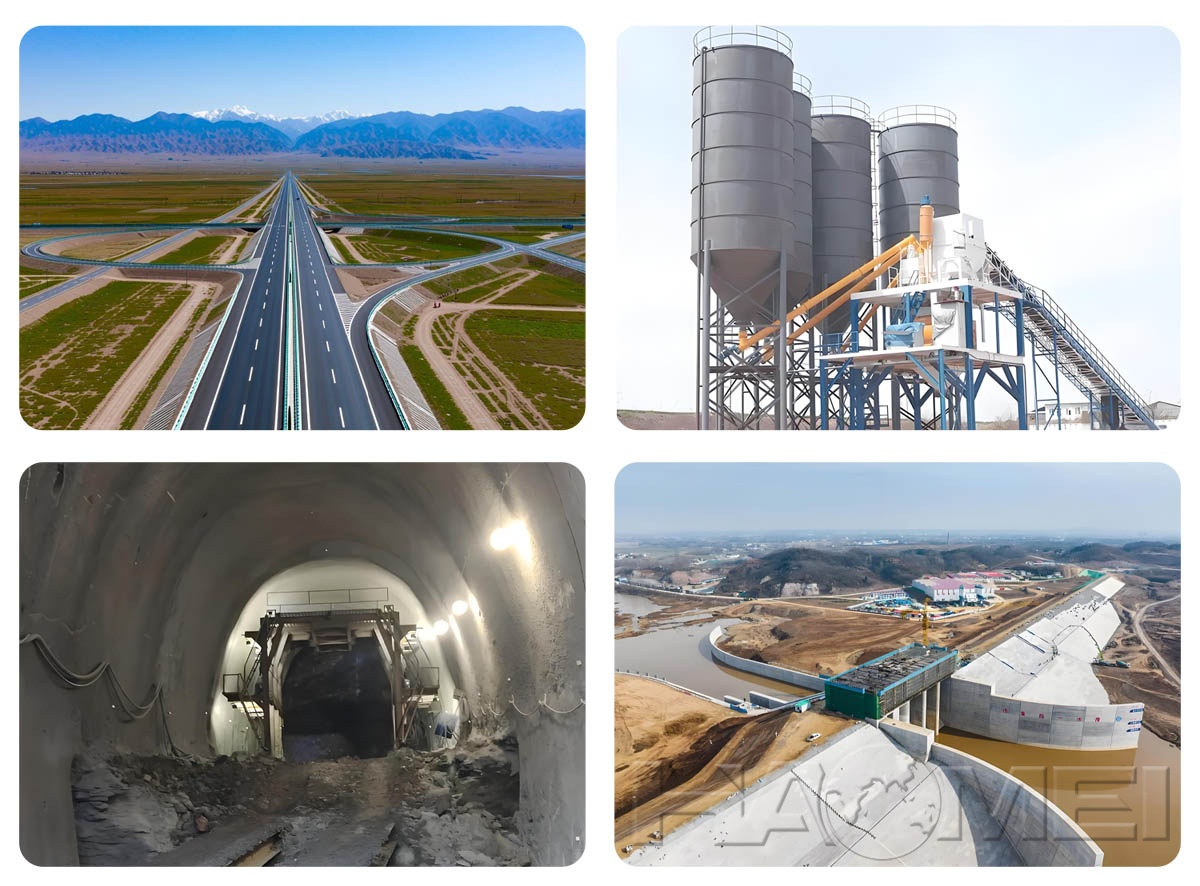
Typical application scenarios include:
| Application Scenario | Concrete Demand Characteristics | Mixer Selection Focus |
|---|---|---|
| Commercial ready-mix plant | Multiple mix designs and continuous truck supply | Stable operation, easy discharge, and control compatibility |
| Road and bridge construction | Large-volume concrete supply and strict schedule control | Durability, maintenance access, and production continuity |
| Precast factory | Repeated production of components with controlled quality | Mixing intensity, cleaning convenience, and formula adaptability |
| Industrial and civil buildings | Different grades and slump requirements | Flexible control and stable batch output |
| Plant renovation projects | Replacement of old mixer or capacity adjustment | Installation interface and automation matching |
5. Factors to Check Before Purchase
For buyers searching for a Sicoma concrete mixer for sale, technical confirmation is recommended before order placement. The following items help reduce installation changes and commissioning delays.
| Check Item | Why It Matters | Information Usually Required |
|---|---|---|
| Plant capacity | Determines suitable mixer size and batching rhythm | Required concrete output and batch cycle expectation |
| Aggregate condition | Affects blade wear and mixing resistance | Aggregate size, hardness, moisture, and gradation |
| Concrete formula | Influences mixing time and discharge behavior | Slump range, cementitious materials, admixtures, and special additives |
| Site layout | Determines discharge height and maintenance space | Plant drawing, truck position, and foundation condition |
| Control system | Ensures smooth integration with existing or new plant | PLC signals, operation mode, and electrical standard |
| Spare parts plan | Supports long-term operation | Wear parts list, lubrication points, and maintenance schedule |
6. Maintenance Considerations
A concrete mixer works under high-load and high-wear conditions. Even when a reliable mixer is selected, routine maintenance directly affects operating stability. Operators should pay attention to the lining plates, mixing blades, shaft end seals, lubrication system, discharge gate, and reducer condition.
Recommended maintenance management includes:
| Maintenance Area | Inspection Focus | Practical Benefit |
|---|---|---|
| Mixing blades and arms | Wear, deformation, and fastening condition | Maintains mixing effect and reduces abnormal vibration |
| Tank liners | Wear thickness and bolt condition | Protects the mixing tank body |
| Shaft end seals | Leakage, lubrication, and seal pressure condition | Reduces slurry intrusion risk |
| Discharge gate | Opening, closing, sealing, and residue buildup | Improves discharge reliability |
| Lubrication system | Oil level, pipeline condition, and working status | Supports bearing and sealing system life |
| Electrical components | Motor current, limit switches, and safety devices | Helps detect faults before shutdown |
7. Industry Trend: Integrated and Maintainable Mixing Systems
Concrete batching plants are increasingly moving toward higher automation, better environmental control, and easier maintenance. In this trend, mixer selection is not limited to mixing efficiency. Manufacturers and project owners are also paying attention to dust control, intelligent control interfaces, energy management, wear-part replacement convenience, and remote fault diagnosis.
For new plants, the Sicoma concrete mixer should be evaluated together with the batching machine, cement silo, weighing system, control room, and concrete discharge route. For renovation projects, the focus should be on mechanical compatibility, electrical communication, installation space, and commissioning workload.
8. Conclusion
A Sicoma concrete mixer for sale is best selected through a complete engineering evaluation. The right configuration depends on concrete type, plant capacity, raw material condition, automation level, and future maintenance plan. As a concrete batching plant and concrete equipment manufacturer, factory selection emphasizes system matching, reliable integration, and practical serviceability rather than isolated equipment comparison.
Before confirming a mixer model, project teams are advised to prepare plant layout drawings, concrete mix requirements, electrical standards, and expected production conditions. This allows the mixer to be configured as a suitable part of the complete concrete production system.