

News


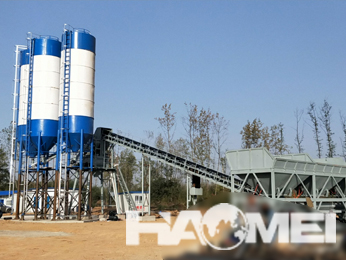
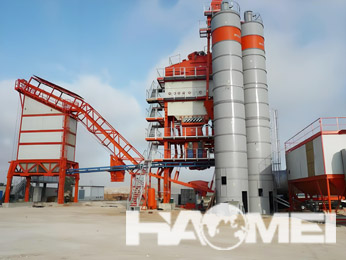
High-Efficiency HZS60 Concrete Batching Plant With Aggregate Lifting Hopper
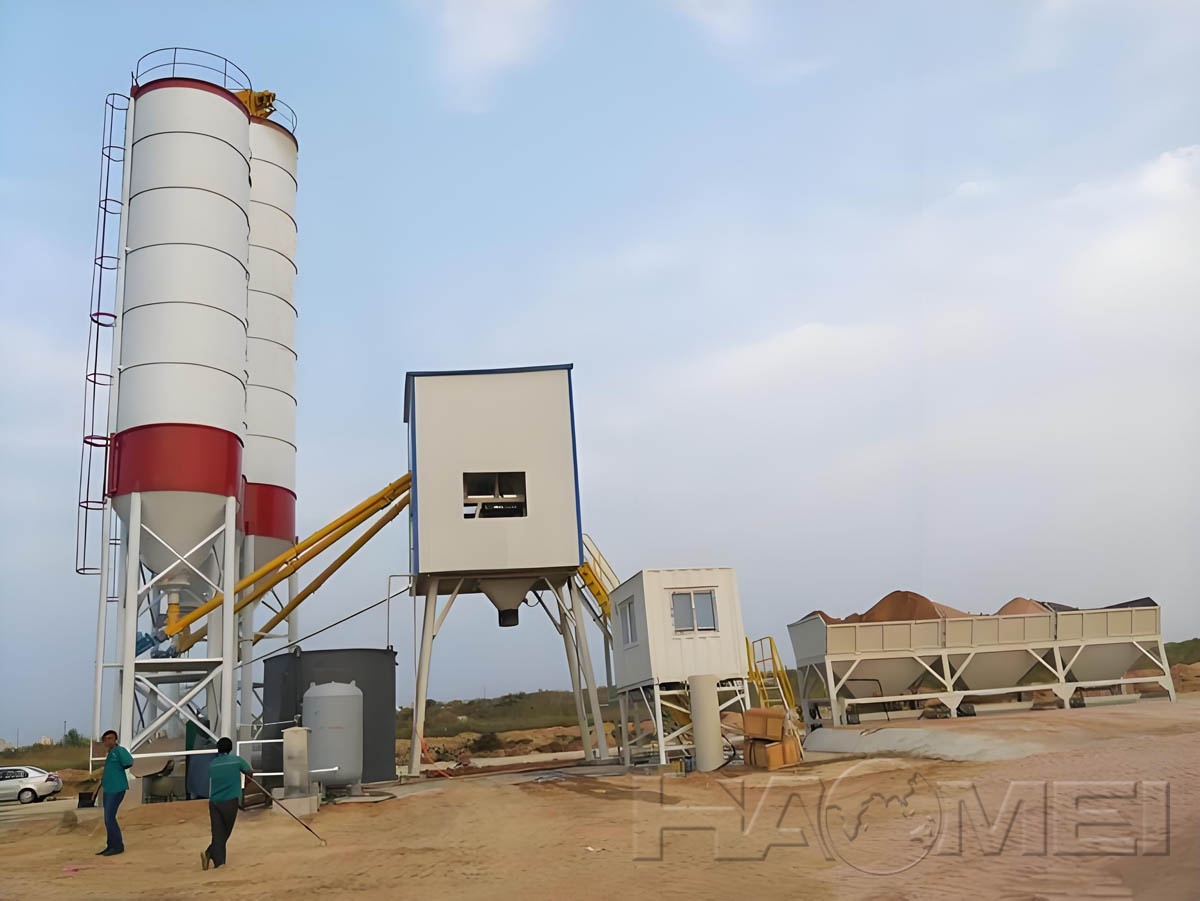
The HZS60 concrete batching plant with an aggregate lifting hopper is a stationary concrete production solution designed for projects requiring stable batching cycles, organized material flow, and a compact plant arrangement. Its aggregate lifting hopper system transfers weighed aggregates from the batching section to the mixer feed point, helping reduce the footprint compared with layouts that use long belt conveyors.
As a concrete batching equipment manufacturer, plant design is developed around material handling, weighing accuracy, mixing performance, control integration, maintenance access, and site-specific installation conditions. The HZS60 configuration can be adapted according to aggregate types, concrete grades, local power supply, environmental requirements, and the planned production schedule.
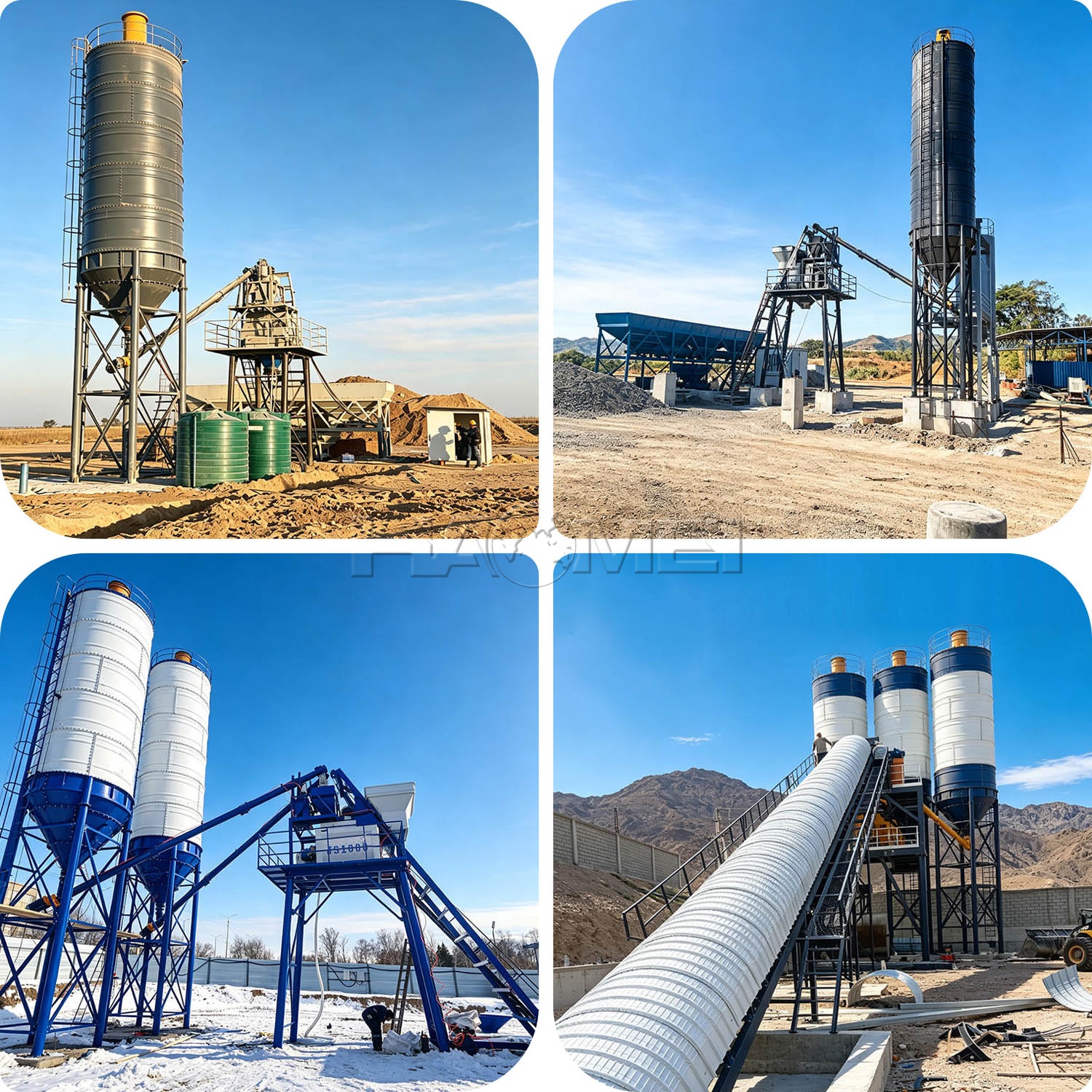
Key Features of the HZS60 Concrete Batching Plant
1. High Production Efficiency: With a theoretical capacity of approximately 60 m³/h, it is well-suited for medium-sized construction projects, roadworks, and the production of ready-mix concrete.
2. Precise Batching: An automated weighing system accurately measures cement, aggregates, water, and admixtures, ensuring a consistent concrete mix ratio.
3. Uniform Mixing: Typically equipped with a JS-series twin-shaft compulsory mixer, which offers high mixing efficiency and ensures stable concrete quality.
4. High Level of Automation: Features a centralized control system that enables automated operation of the batching, mixing, and overall production processes.
5. Modular Design: The equipment layout is logically organized, facilitating easy installation, maintenance, and future expansion.
6. Wide Range of Applications: Suitable for various projects, including residential and commercial buildings, roads, bridges, and infrastructure development.
7. Stable Operation and Easy Maintenance: The structural design is well-engineered, with key components easily accessible for inspection and repair, helping to minimize downtime.
Equipment Positioning and Typical Applications
An HZS60 concrete batching plant is generally selected for medium-scale concrete production where a fixed installation and repeatable mix quality are required. The aggregate lifting hopper arrangement is particularly relevant when the available site area is limited or when the project benefits from a vertical material-transfer layout.
| Application Scenario | Equipment Requirement | Relevance of Aggregate Lifting Hopper |
|---|---|---|
| Commercial concrete supply | Consistent batching and flexible mix designs | Supports organized aggregate transfer to the mixing unit |
| Road and bridge projects | Reliable production for scheduled pours | Helps create a compact production layout near the project site |
| Building construction | Stable supply of structural concrete | Suitable for standard and customized concrete mix proportions |
| Precast component production | Repeatable material dosing and controlled mixing | Supports batch-to-batch process consistency |
| Municipal infrastructure | Adaptable setup for phased construction work | Can be configured for different aggregate storage arrangements |
Main Structure of the HZS60 Plant
The HZS60 concrete batching plant is composed of aggregate storage and batching equipment, an aggregate lifting hopper, a mixing host, powder storage and conveying equipment, water and admixture dosing systems, a pneumatic system, an electrical control system, and supporting steel structure. Each section must operate in coordination to maintain an efficient batching cycle.
| System | Primary Function | Configuration Considerations |
|---|---|---|
| Aggregate batching machine | Stores and weighs sand and stone by preset proportions | Bin quantity and aggregate grading should match the mix design |
| Aggregate lifting hopper | Lifts weighed aggregates to the mixer feeding level | Track structure, hoist mechanism, and limit protection require regular inspection |
| Concrete mixer | Mixes aggregates, cementitious materials, water, and admixtures | Mixer type is selected according to concrete grade, aggregate size, and output requirements |
| Cement and powder system | Stores and conveys cement, fly ash, or other powders | Silo capacity, screw conveyor length, and dust collection should suit the site layout |
| Water and admixture system | Measures and delivers liquid materials | Metering method should match process accuracy requirements |
| Control system | Coordinates batching, mixing, discharge, and data management | Can be configured with recipe management, production records, and interlock protection |
For users comparing fixed concrete production solutions, the HZS60 Stationary Concrete Batching Plant provides a reference for the typical equipment scope and project-oriented configuration options available for this capacity class.
Working Principle of the Aggregate Lifting Hopper System
The operating sequence begins with aggregate feeding and weighing. Sand, gravel, and other aggregates are discharged from the storage bins into the weighing hopper according to the concrete recipe. Once the weighing process is completed, the aggregate lifting hopper receives the materials and travels along the lifting track to the designated feeding position above or beside the mixer.
At the same time, cementitious materials are conveyed from silos through screw conveyors into the powder weighing system. Water and admixtures are measured independently. After the control system confirms that the required materials are ready, the ingredients enter the mixer in the programmed sequence. The mixer completes the set mixing cycle before the finished concrete is discharged to a transit mixer, concrete pump receiving hopper, or other downstream handling equipment.
| Process Stage | Main Equipment Involved | Key Control Point |
|---|---|---|
| Aggregate storage | Aggregate bins and loading area | Prevent cross-contamination between aggregate sizes |
| Aggregate proportioning | Batching machine and weighing hopper | Maintain calibrated weighing performance |
| Vertical aggregate transfer | Lifting hopper, track, winch, and limit switches | Verify travel path, wire rope condition, and safety limits |
| Powder feeding | Cement silo and screw conveyor | Control material flow and reduce powder leakage |
| Mixing | Twin-shaft or selected mixer configuration | Match mixing time to the concrete formulation |
| Concrete discharge | Mixer discharge gate and receiving equipment | Coordinate discharge timing with transport capacity |
Configuration Options Based on Project Conditions
A concrete batching plant should not be selected only by nominal output. Aggregate moisture, material gradation, delivery distance, required concrete types, daily working hours, and local environmental conditions all influence the final equipment configuration. Factory technical evaluation should therefore consider the full production process rather than a single capacity indicator.
| Project Condition | Recommended Evaluation Direction |
|---|---|
| Limited installation area | Assess hopper lifting layout, silo placement, and vehicle circulation routes |
| Multiple concrete grades | Confirm recipe storage capacity and separate aggregate or powder handling needs |
| High moisture variation in sand | Consider moisture monitoring and appropriate mix correction procedures |
| Dust-sensitive site | Evaluate enclosed conveying points, dust collectors, and sealed powder connections |
| Cold or hot climate | Review material temperature control and equipment protection measures |
| Long-term fixed operation | Prioritize maintenance space, wear-part access, and spare-parts planning |
The aggregate lifting hopper is a practical choice for many projects, but its suitability depends on site elevation, aggregate loading method, maintenance access, and expected production rhythm. For sites with more open space and longer material-transfer routes, a belt conveyor layout may also be considered during engineering design.
Quality Control and Operational Reliability
Concrete quality begins with accurate proportioning and continues through material transfer, mixing, discharge, and delivery. The HZS60 batching plant control system should coordinate these steps through programmed interlocks and recipe parameters. However, equipment automation does not replace routine inspection, calibration, and material management.
| Inspection Area | Routine Focus | Operational Benefit |
|---|---|---|
| Aggregate scales | Zero point, calibration status, and discharge gate movement | Supports consistent aggregate proportioning |
| Powder scales | Sensor condition and material flow stability | Helps control cementitious material dosage |
| Lifting hopper | Track alignment, wire rope wear, lubrication, and limit switches | Supports safe and stable aggregate transfer |
| Mixer | Blade wear, liner condition, shaft seal performance, and lubrication | Maintains mixing efficiency and reduces unplanned downtime |
| Pneumatic system | Air pressure, valve response, and moisture removal | Supports reliable gate and actuator operation |
| Control cabinet | Electrical connections, sensor signals, and program alarms | Helps identify process deviations promptly |
A preventive maintenance plan should include daily cleaning, scheduled lubrication, periodic weighing calibration, inspection of wear components, and timely replacement of damaged parts. These measures are particularly important for lifting hopper systems because the lifting mechanism operates repeatedly during production cycles.
Engineering Installation Considerations
Before installation, the project team should confirm the foundation plan, material flow route, transport vehicle circulation, electrical supply, water source, drainage, and space for aggregate loading. The steel structure and hopper track must be installed according to approved drawings and checked for alignment before commissioning.
| Installation Item | Engineering Requirement |
|---|---|
| Foundation | Must meet the approved load-bearing and levelness requirements |
| Aggregate loading area | Should allow safe loader movement and clear access to aggregate bins |
| Hopper lifting track | Requires correct alignment, secure anchoring, and unobstructed travel |
| Powder silos | Require stable foundations, safe access, and appropriate dust control connections |
| Electrical system | Should include grounding, protection devices, and stable power supply arrangements |
| Drainage and cleaning | Should prevent accumulated wastewater and concrete residue around the plant |
For broader project planning, a Stationary Concrete Batching Plant can be configured with different aggregate feeding methods, mixer types, storage capacities, and environmental protection components to suit local operating conditions.
Industry Trend: Smarter and More Sustainable Concrete Production
Concrete batching plant development increasingly focuses on operational visibility, resource efficiency, and environmental management. Control systems are being applied to record production data, manage mix recipes, monitor equipment status, and support traceability. At the same time, dust collection, wastewater recovery, residual concrete management, and reduced material loss have become important considerations for plant design and operation.
For HZS60 concrete batching plants with aggregate lifting hoppers, future-oriented configuration typically emphasizes reliable mechanical transmission, maintainable structure, accurate weighing, connected control systems, and practical environmental protection measures. The appropriate solution remains dependent on actual project requirements, local regulations, material characteristics, and planned operating conditions.
Conclusion
The HZS60 concrete batching plant with aggregate lifting hopper provides a compact and structured approach to stationary concrete production. Its effectiveness depends on the coordinated performance of aggregate batching, lifting transfer, weighing, mixing, control, and maintenance systems. A manufacturer-led configuration review helps ensure that the plant layout, equipment options, and operational process are aligned with the specific needs of the construction project.