
News
LB Series Batch Asphalt Mixing Plant
The LB Series Batch Asphalt Mixing Plant is designed for producing hot mix asphalt in separate, accurately controlled batches. From a manufacturing perspective, this equipment is widely applied in highway construction, municipal road maintenance, airport pavement, industrial parks, and other projects where mix quality, formula flexibility, and stable production management are important.
Compared with continuous mixing systems, a batch asphalt plant weighs aggregates, mineral filler, and bitumen independently before each mixing cycle. This structure helps project contractors adjust asphalt recipes according to road grade, climate conditions, aggregate source, and engineering specifications.
Industry Demand for Batch Asphalt Mixing Equipment
Modern road construction requires asphalt mixtures with consistent gradation, controlled temperature, and traceable batching records. In many projects, one plant may need to switch between base course asphalt, wearing course asphalt, modified asphalt mixture, or special-purpose asphalt mixtures. The LB Series batch asphalt mixing plant is developed to meet this type of multi-formula production requirement.
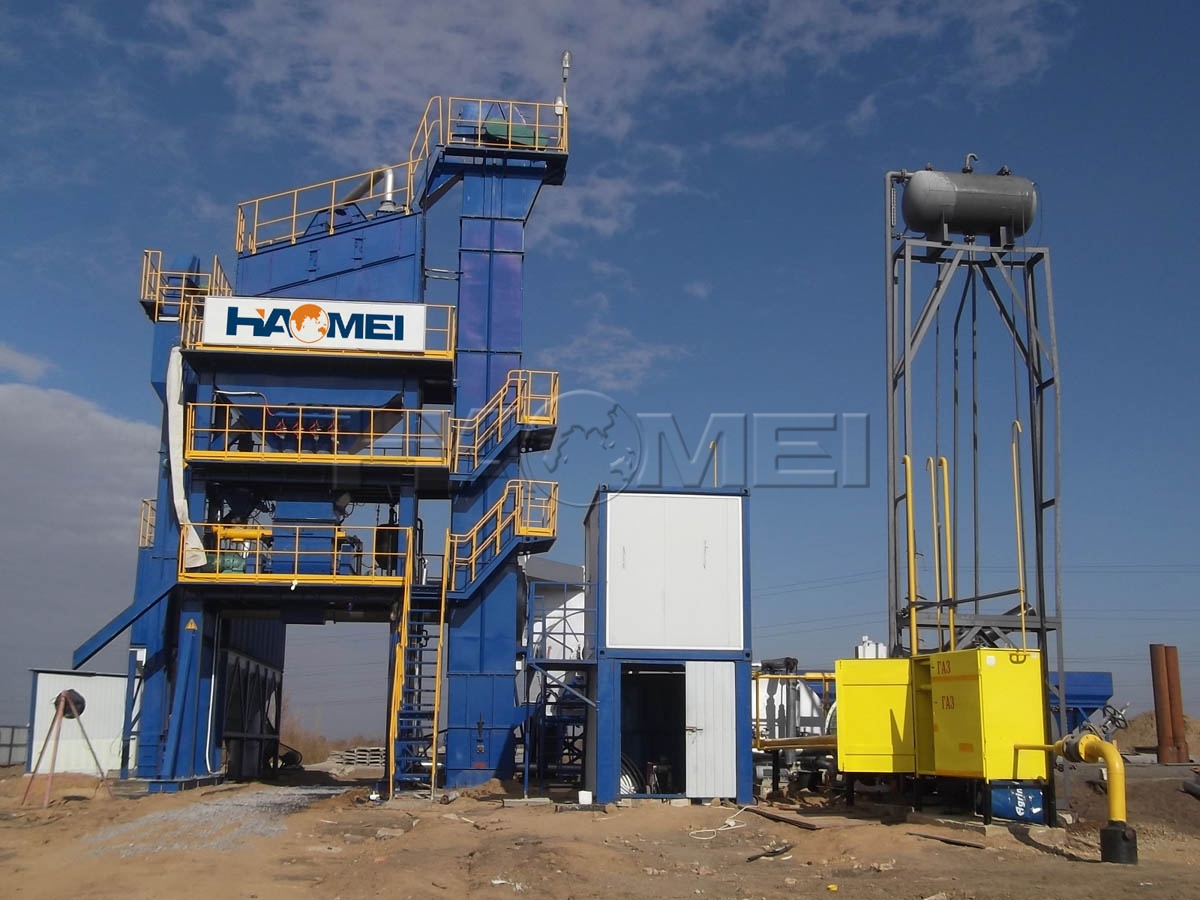
For customers evaluating an Asphalt Mixing Plant, the selection is usually not based on a single parameter. Site layout, environmental requirements, aggregate conditions, fuel availability, maintenance capability, and project schedule all influence the final configuration.
Main Structure of the LB Series Batch Asphalt Mixing Plant
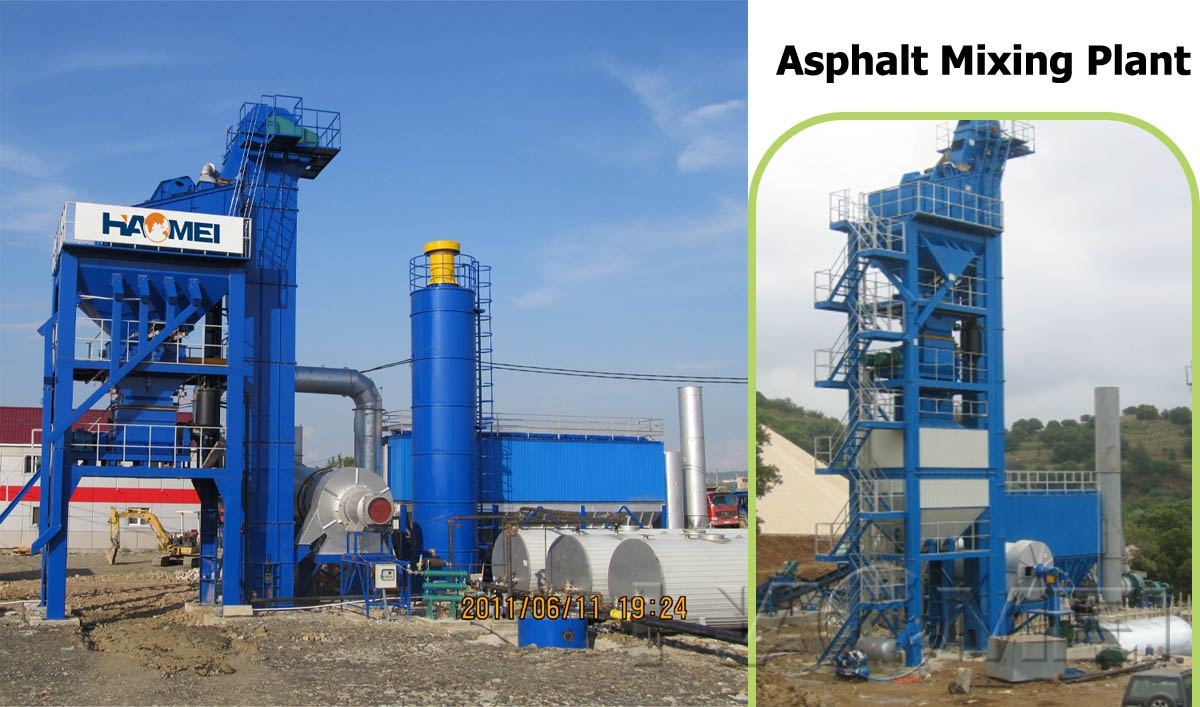
A typical LB Series plant is composed of a cold aggregate supply system, drying drum, burner, hot aggregate elevator, vibrating screen, hot aggregate bins, weighing system, mixer, bitumen supply system, filler supply system, dust collection system, finished material storage system, and electrical control system.
| Main System | Function | Manufacturing Considerations |
|---|---|---|
| Cold aggregate feeding system | Stores and feeds different aggregate sizes | Bin quantity and belt configuration should match aggregate gradation requirements |
| Drying drum and burner | Removes moisture and heats aggregates | Drum structure, burner matching, and insulation affect thermal efficiency |
| Hot aggregate elevator | Transfers heated aggregates to the screening system | Wear-resistant components and sealing are important for continuous operation |
| Vibrating screen | Separates hot aggregates into different sizes | Screening area and mesh selection influence gradation accuracy |
| Hot aggregate bins | Temporarily store screened hot aggregates | Bin design should reduce segregation and support stable discharge |
| Weighing system | Measures aggregate, bitumen, and filler | Accurate weighing is essential for asphalt mix consistency |
| Twin-shaft mixer | Mixes aggregate, filler, and bitumen | Mixing arm, liner, and blade design affect mixing uniformity and service life |
| Dust collection system | Collects and filters dust from production | Baghouse configuration supports cleaner operation and material recovery |
| Control system | Manages batching, mixing, alarms, and records | Automation level should match project management and operator requirements |
Working Principle of Batch Asphalt Production
The working process of an LB Series batch asphalt mixing plant can be understood as a sequence of controlled material handling, heating, screening, weighing, and mixing operations.
Cold aggregate feeding: Aggregates of different sizes are loaded into cold bins and fed by belt conveyors according to preset proportions.
Drying and heating: Aggregates enter the drying drum, where moisture is removed and the material is heated to the required production temperature.
Dust treatment: Dust generated during drying is collected by the dust removal system. Recovered fine material can be handled according to the plant configuration and mix design requirements.
Screening and hot storage: Heated aggregates are lifted to the vibrating screen, classified by size, and stored in hot aggregate bins.
Independent weighing: Aggregates, bitumen, and mineral filler are weighed separately according to the selected formula.
Batch mixing: Materials enter the mixer and are blended for the required mixing time before discharge.
Finished material handling: Hot mix asphalt is discharged into a truck or stored in a finished product silo, depending on the site arrangement.
This batch-type production method is suitable for projects requiring frequent formula changes or stricter control of mixture gradation.
Configuration Options for Different Project Needs
The LB Series batch asphalt mixing plant can be configured according to engineering conditions rather than applying a single standard layout to all sites. For example, a compact site may require optimized equipment arrangement, while a long-term highway project may pay more attention to storage capacity, automation, and maintenance access.
| Configuration Item | Common Options | Application Value |
|---|---|---|
| Cold aggregate bins | Multiple-bin design | Supports different aggregate gradations and flexible mix recipes |
| Fuel system | Diesel, heavy oil, natural gas, or other compatible fuels | Selected according to local fuel supply and emission requirements |
| Dust collector | Baghouse dust removal system | Helps reduce dust emissions and recover fine materials |
| Finished product silo | Direct discharge or storage silo | Improves truck scheduling and site production continuity |
| Bitumen system | Standard bitumen tank or thermal oil heating system | Maintains stable bitumen temperature for mixing |
| Control mode | Manual, semi-automatic, or automatic control | Supports different levels of production management |
| Additive interface | Optional additive or modified material feeding | Suitable for special asphalt mixture requirements |
For medium-scale project planning, product models such as the LB1000 Asphalt Mixing Plant are often evaluated together with site capacity, truck logistics, and required asphalt mixture types.
Performance Features of the LB Series Intermittent Asphalt Mixing Plants
1. Advanced Process Flow: Employs a forced intermittent mixing process wherein aggregates—after being dried, heated, screened, and weighed-are forcibly mixed with asphalt and mineral fillers, ensuring precise aggregate gradation and uniform quality in the finished product.
2. Precise and Stable Weighing: Equipped with high-precision sensors (e.g., Toledo) to perform independent electronic weighing of aggregates, mineral fillers, and asphalt; weighing accuracy typically falls within ±0.5%.
3. Modular Design: The entire plant features a modular structure with a compact layout, facilitating easy transportation, on-site installation, and subsequent relocation.
4. Energy-Efficient and Environmentally Compliant: Configured with a multi-stage dust removal system (combining cyclone and bag filters), ensuring dust emission concentrations remain ≤20 mg/Nm³; an optimized heating system further reduces fuel consumption.
5. Intelligent Control: Features a fully automatic/manual control system based on PLC technology (e.g., Siemens) and computer interfaces, supporting recipe storage, self-diagnosis of faults, and report printing.
6. Strong Expandability: The equipment includes reserved interfaces for regeneration modules, allowing for the convenient addition of a plant-based hot recycling unit to incorporate RAP (reclaimed asphalt pavement) materials, thereby conserving resources.
Engineering Application Scenarios
LB Series batch asphalt plants are used in various construction environments. The key is to match the plant configuration with production rhythm, material source, and road specification.
| Application Scenario | Typical Requirement | Equipment Focus |
|---|---|---|
| Highway construction | Stable output and consistent mixture quality | Reliable screening, weighing, and continuous production management |
| Municipal road projects | Frequent mix changes and limited site space | Flexible formula control and compact layout planning |
| Airport pavement | High requirements for uniformity and quality traceability | Accurate batching and stable mixing performance |
| Road maintenance | Intermittent production and varied mix types | Easy startup, formula switching, and convenient maintenance |
| Industrial park roads | Balanced production efficiency and investment control | Practical configuration and simplified operation management |
Manufacturing Focus: Reliability, Maintenance, and Safety
For asphalt plant manufacturing, reliable operation depends on both structural design and component selection. Key production considerations include wear resistance, sealing performance, maintenance accessibility, electrical protection, and safety interlock design.
Important manufacturing concerns include:
Wear parts: Mixer liners, mixing blades, elevator buckets, and screen meshes should be designed for convenient inspection and replacement.
Thermal system: Drying drum structure and burner matching should support stable aggregate heating.
Dust control: Proper sealing and dust collection design are important for plant cleanliness and environmental compliance.
Electrical control: The control cabinet, sensors, weighing modules, and software logic should support stable batching and fault diagnosis.
Operation safety: Guarding, emergency stops, maintenance platforms, and interlocks should be considered during layout design.
Industry Trends in Asphalt Mixing Plant Development
The asphalt mixing plant industry is moving toward cleaner production, more intelligent control, and better lifecycle management. Contractors increasingly require equipment that can support energy-conscious operation, production record management, remote diagnosis, and easier maintenance.
Major trends include:
| Trend | Practical Meaning for Plant Users |
|---|---|
| Improved environmental control | Better dust collection, sealing, and noise management are becoming more important |
| Digital production management | Batching records and alarm histories support quality control and maintenance planning |
| Modular plant design | Modular structures can simplify transportation, installation, and future relocation |
| Flexible material compatibility | Plants may need interfaces for modified bitumen, additives, or recycled material systems depending on project policy |
| Maintenance-oriented design | Easier access to wear parts helps reduce downtime and improve daily inspection efficiency |
Conclusion
The LB Series Batch Asphalt Mixing Plant is a practical solution for projects that require controlled batch production, flexible mix design, and reliable hot mix asphalt quality. Its value is not limited to mixing capacity; it also depends on structural configuration, weighing accuracy, dust control, automation level, and long-term maintainability.
For project owners and contractors, proper plant selection should begin with engineering requirements: road type, asphalt formula, aggregate source, site layout, environmental standards, and operation schedule. From a manufacturing standpoint, the goal is to provide a batch asphalt plant configuration that supports stable production, clear maintenance procedures, and dependable performance throughout the project lifecycle.