
News
Mobile Concrete Batching Plate Equipped with SICOMA Twin Shaft Mixer
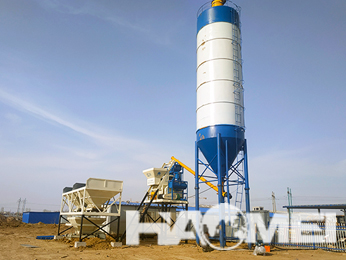
A mobile concrete batching plant equipped with a SICOMA twin-shaft mixer is designed for projects that require concrete production close to the point of placement while retaining the mixing characteristics of a forced twin-shaft system. This configuration is commonly considered for temporary construction sites, road and bridge works, precast support yards, municipal projects, and locations where ready-mixed concrete supply is limited or transport distances are long.
From a manufacturing perspective, the equipment is not simply a stationary mixing plant placed on a chassis. A reliable mobile concrete mixing unit requires coordinated design of the trailer or skid frame, aggregate batching section, weighing system, mixer platform, electrical controls, discharge arrangement, and maintenance access. The mixer must also be matched with the plant's output requirement, aggregate grading, concrete mix design, transport restrictions, and site operating conditions.
Why Twin-Shaft Mixing Is Used in Mobile Applications
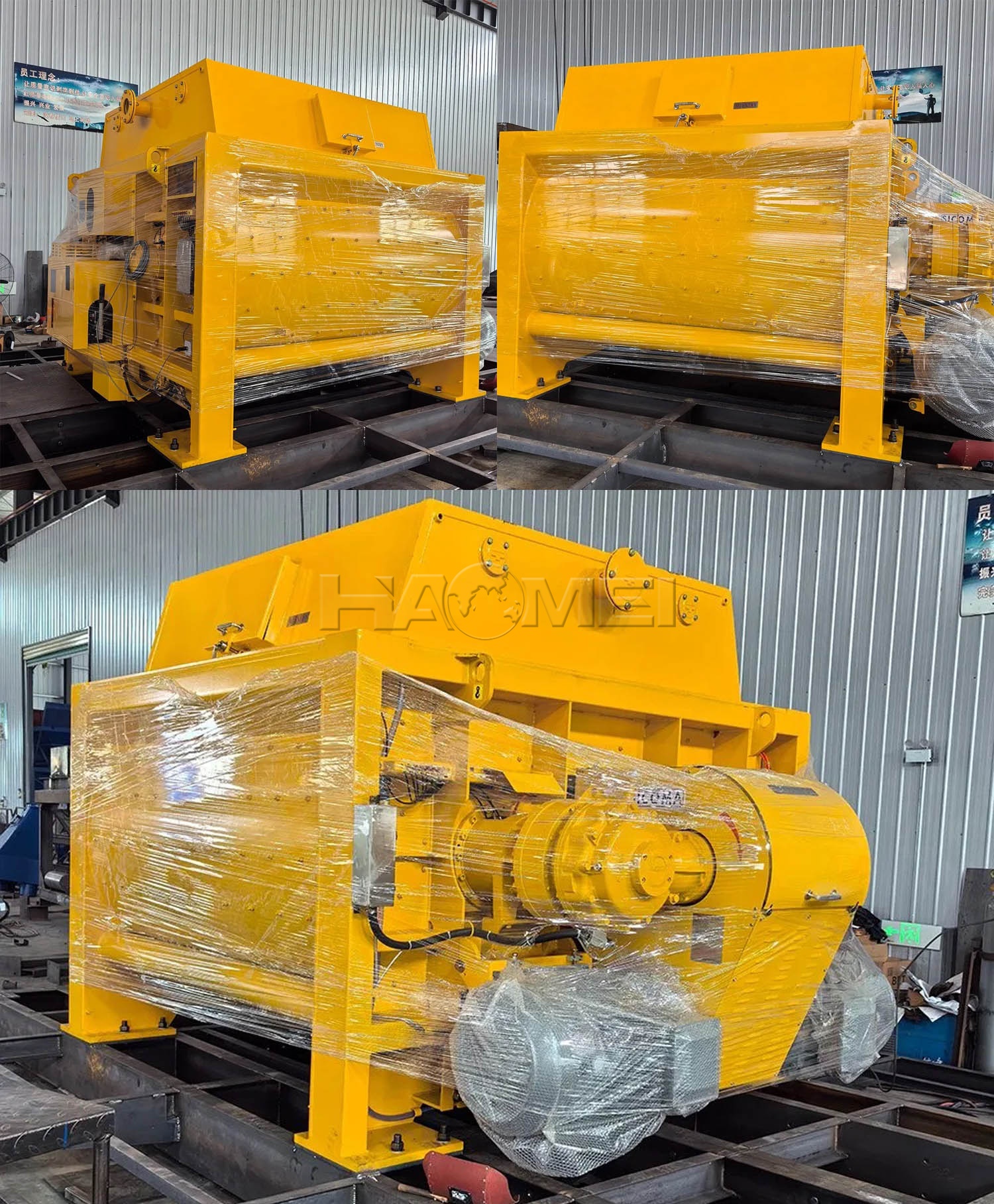
Twin-shaft forced mixing relies on two horizontal shafts fitted with mixing arms and blades. During operation, the shafts rotate in opposite directions, moving aggregates, cementitious materials, water, and admixtures through intersecting mixing paths. This action helps distribute materials throughout the mixing chamber and supports the preparation of conventional ready-mixed concrete as well as mixes with relatively low water content, subject to material properties and the selected configuration.
For a mobile concrete batching plant, a twin-shaft design can be particularly useful where the project requires repeatable mixing quality but has limited space for a permanent batching facility. The SICOMA concrete mixer can be specified as the central mixing unit when project requirements, local service arrangements, and equipment integration conditions support its use.
The following table outlines the main functional elements of a mobile mixing system.
| System Section | Main Function | Configuration Considerations |
|---|---|---|
| Mobile chassis or skid frame | Supports equipment transport and site positioning | Axle arrangement, towing regulations, site terrain, leveling points |
| Aggregate batching unit | Stores and doses sand and stone | Aggregate size, bin quantity, loading method, required storage time |
| Weighing system | Measures aggregates, cement, water, and admixtures | Required batching accuracy, calibration access, control integration |
| SICOMA twin-shaft mixer | Mixes the measured materials | Batch size, mix design, liner arrangement, discharge method |
| Cement storage and conveying | Supplies cement or other powders to the mixer | Silo capacity, screw conveyor layout, dust collection requirements |
| Control system | Coordinates batching, mixing, discharge, and reporting | Manual or automatic operation, recipe management, remote monitoring options |
Mixer Structure and Working Principle
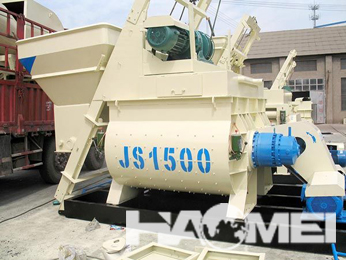
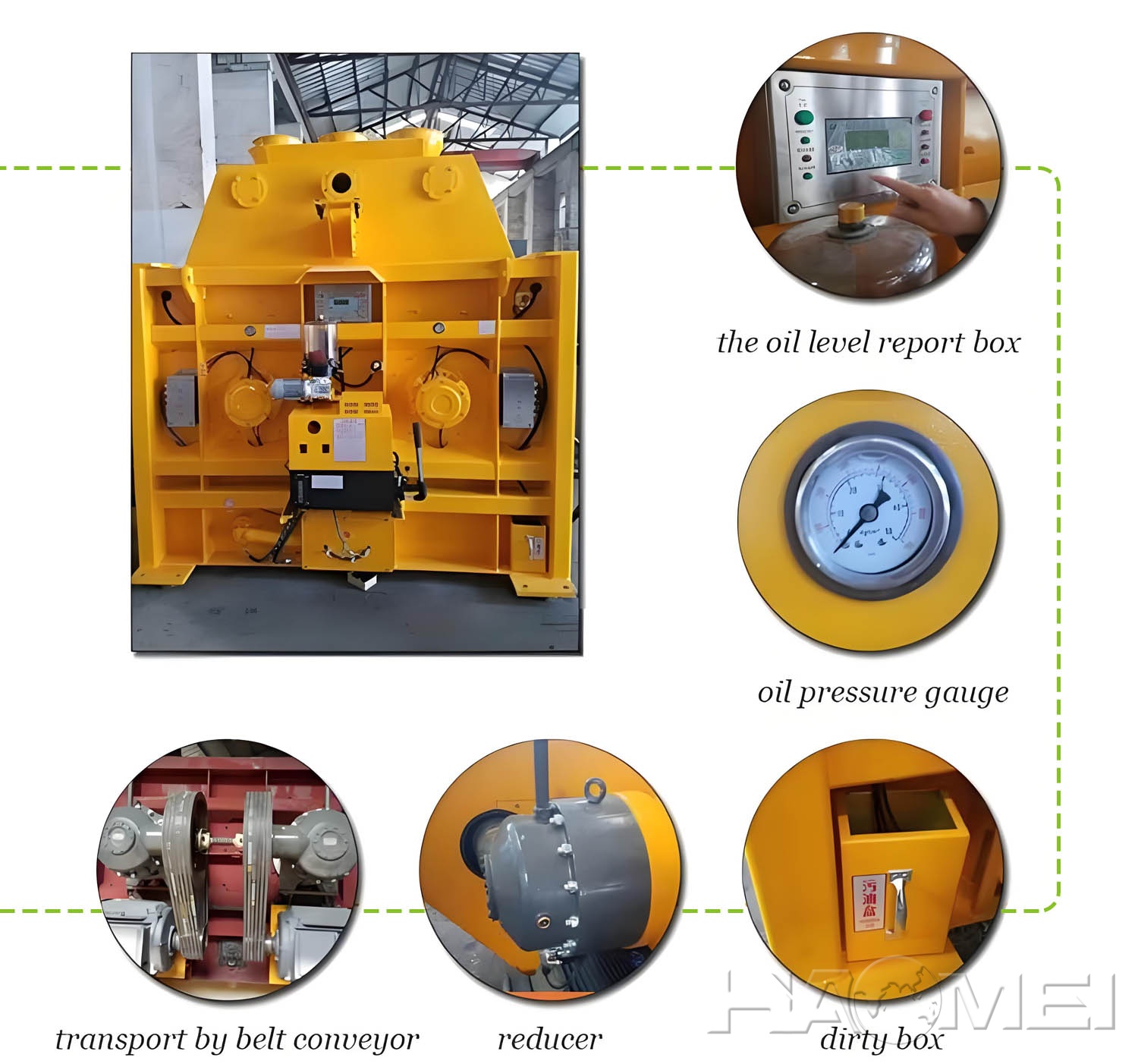
The core of the equipment is the mixer body. A SICOMA twin-shaft mixer generally includes a mixing chamber, two mixing shafts, mixing arms, blades, shaft-end seals, drive units, discharge gate, and wear-resistant liners. The arrangement of these components influences mixing action, wear management, cleaning access, and maintenance planning.
During a typical production cycle, weighed aggregates are introduced into the mixer along with cement, water, and admixtures according to the selected recipe. The twin shafts create continuous material circulation within the chamber. After the programmed mixing period, the discharge gate opens to release concrete into a transit mixer, hopper, concrete pump feed hopper, bucket, or other receiving equipment appropriate for the site layout.
A properly engineered installation should consider the relationship between the mixer discharge height and the receiving equipment. It should also provide safe access to inspection doors, lubrication points, electrical panels, and washout areas.
Configuration Selection for Mobile Concrete Mixing Equipment
Mobile equipment should be selected according to actual project demand rather than based only on mixer type. The appropriate configuration depends on the expected production rhythm, concrete grades, aggregate supply method, site duration, available utilities, and transport route.
| Project Condition | Recommended Evaluation Focus |
|---|---|
| Road, railway, or bridge work | Equipment mobility, stable batching, aggregate handling, compatibility with concrete delivery equipment |
| Remote infrastructure sites | Water supply, power source, cement storage, spare-parts planning, service access |
| Municipal repair and maintenance work | Compact layout, quick installation, flexible concrete output scheduling |
| Precast support production | Mix consistency, recipe control, admixture dosing, cleaning and changeover procedures |
| Short-term construction projects | Transport dimensions, foundation preparation, commissioning time, relocation procedure |
The mixer capacity should be coordinated with the batching and conveying systems. Oversizing the mixer without adequate aggregate batching, cement delivery, or discharge handling can create bottlenecks. Conversely, a mixer that is too small for the project schedule may increase operating cycles and site logistics pressure.
For projects requiring alternative mixer arrangements, the wider Concrete Mixer range can be evaluated according to batch volume, material characteristics, and plant layout requirements.
Key Manufacturing and Integration Considerations
When integrating a SICOMA twin-shaft mixer into a mobile concrete mixing plant, the manufacturer should assess mechanical, electrical, and operational interfaces before production. Important considerations include the following:
Structural support: The mixer platform and mobile frame must support operational loads while maintaining suitable stability during mixing and discharge.
Power transmission: Motor, gearbox, coupling, and electrical protection selection should correspond to the mixer specification and local power conditions.
Material flow: Aggregate feeding, cement conveying, water supply, and admixture dosing should be arranged to avoid unnecessary transfer points and facilitate inspection.
Wear protection: Liners, blades, arms, and discharge components are wear parts. Their material selection and accessibility affect routine maintenance efficiency.
Sealing and cleanliness: Shaft-end sealing, dust control, washout access, and drainage arrangement are important for long-term operation.
Control compatibility: The control system should provide clear sequencing for batching, mixing, discharge, alarms, and recipe management.
A dedicated Sicoma Concrete Mixer configuration may be appropriate where the project specification identifies SICOMA equipment or where the required mixing process aligns with twin-shaft forced mixing technology.
Operation and Maintenance Priorities
Mobile concrete batching plants are frequently relocated or operated under variable field conditions. Therefore, routine inspection is essential. Operators should follow the equipment manual and site safety procedures for lubrication, cleaning, fastener checks, electrical inspection, and wear-part replacement.
| Maintenance Area | Routine Check | Operational Purpose |
|---|---|---|
| Mixing blades and liners | Check wear condition and fastening | Maintains designed mixing action and protects the mixer body |
| Shaft-end seals | Inspect for leakage and lubrication condition | Helps protect bearing and sealing assemblies |
| Discharge gate | Check opening, closing, and material buildup | Supports reliable concrete discharge |
| Gearbox and drive system | Follow specified lubrication and inspection procedures | Supports stable mixer operation |
| Weighing sensors | Verify calibration and mechanical condition | Helps maintain batching control |
| Electrical system | Inspect cables, terminals, sensors, and safety devices | Reduces the risk of control interruptions |
Cleaning should be performed promptly after production in accordance with the operating instructions. Hardened concrete accumulation inside the mixer or discharge area can affect material flow, increase wear, and make later maintenance more difficult.
Industry Direction: Flexible Production with Controlled Mixing
Construction projects increasingly require equipment that can be mobilized efficiently while maintaining controlled batching and mixing procedures. Mobile concrete batching plant equipment is therefore evolving toward better automation, improved recipe management, easier maintenance access, more compact transportation layouts, and integration with project-level quality management practices.
A mobile concrete batching plant equipped with a SICOMA twin-shaft mixer provides one practical approach for projects that need on-site concrete production and a forced-mixing process. Final equipment selection should be based on the project mix design, daily production plan, transport conditions, material supply, local regulations, and the availability of qualified operation and maintenance personnel.
For manufacturers, the objective is to provide a mobile system in which the chassis, batching modules, weighing equipment, mixer, controls, and safety features function as one coordinated unit rather than as separate components assembled without engineering verification.