
News

2.0m³ SICOMA Twin-Shaft Concrete Mixer for Sale
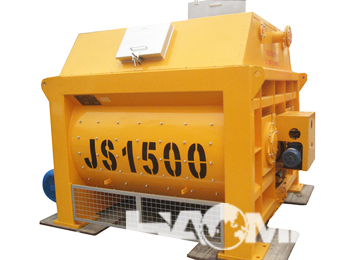
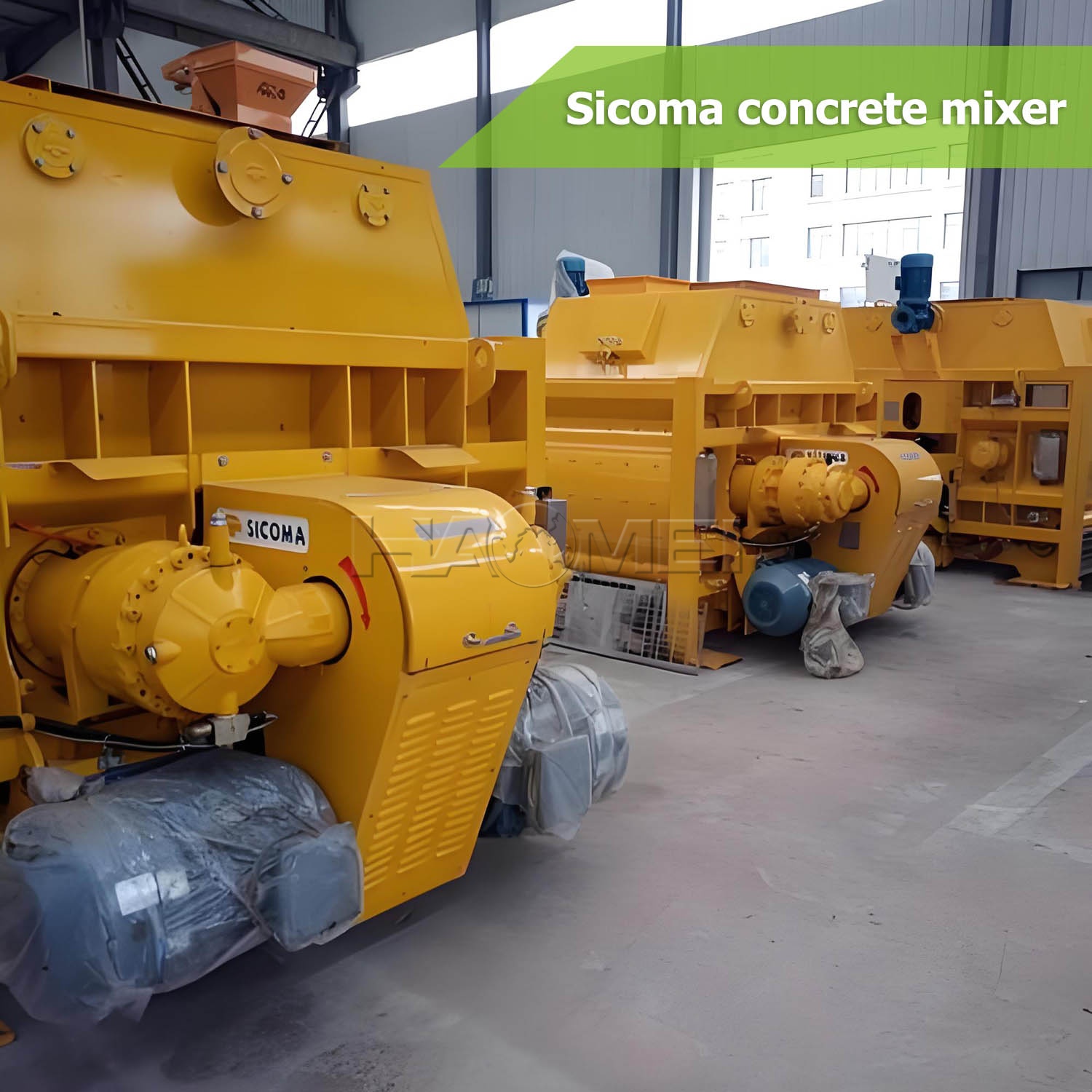
A 2.0m³ SICOMA twin-shaft concrete mixer is commonly selected as the main mixing unit for medium- and high-capacity concrete batching plants. Its twin-shaft forced-mixing arrangement is designed to process conventional ready-mixed concrete, precast concrete, dry and semi-dry mixes, and other formulations requiring consistent aggregate and cement distribution.
As a concrete equipment manufacturer, the factory supplies mixer configurations according to project output requirements, aggregate grading, concrete mix design, installation conditions, and automation level. Equipment selection should focus not only on nominal batch capacity, but also on the complete batching, feeding, discharge, cleaning, and control process.
Typical Position in a Concrete Batching Plant
The 2.0m³ mixer is generally installed below aggregate weighing and material feeding systems. Aggregates, cementitious materials, water, and admixtures are measured by the batching plant control system before entering the mixing chamber according to the prescribed sequence.
After mixing is completed, the discharge gate releases concrete into a transit mixer, concrete bucket, conveyor, or downstream production line. This arrangement makes the mixer suitable for fixed commercial plants, precast yards, infrastructure projects, and jobsite batching stations.
| Item | Typical Arrangement | Selection Consideration |
|---|---|---|
| Mixing type | Twin-shaft forced mixing | Suitable for a broad range of concrete consistencies |
| Nominal output per batch | 2.0m³ | Actual output depends on mix design and operating conditions |
| Material feeding | Skip hopper, belt conveyor, or direct aggregate feed | Selected according to plant layout and capacity |
| Discharge method | Pneumatic or hydraulic discharge gate, depending on configuration | Match with downstream receiving equipment |
| Control integration | Compatible with batching plant control systems | Confirm communication and automation requirements |
| Application | Ready-mix, precast, infrastructure, and project batching | Evaluate production schedule and concrete grade requirements |
Twin-Shaft Mixing Principle
The core working principle of a twin-shaft concrete mixer is forced mixing. Two horizontal mixing shafts rotate in opposite directions inside the mixing chamber. Mixing arms and paddles move aggregates, cement, water, and admixtures through overlapping mixing paths, creating circulation and shear within the material mass.
Compared with gravity mixing methods, a twin-shaft arrangement is generally more suitable where mixing uniformity and repeatable batching cycles are important. Blade arrangement, shaft speed, chamber geometry, material charging sequence, and mixing time should be coordinated with the specific concrete recipe.
The 2.0m³ SICOMA twin-shaft concrete mixer can be configured as part of a complete Concrete Mixer range for different batching plant capacities and project requirements.
Main Structural Components
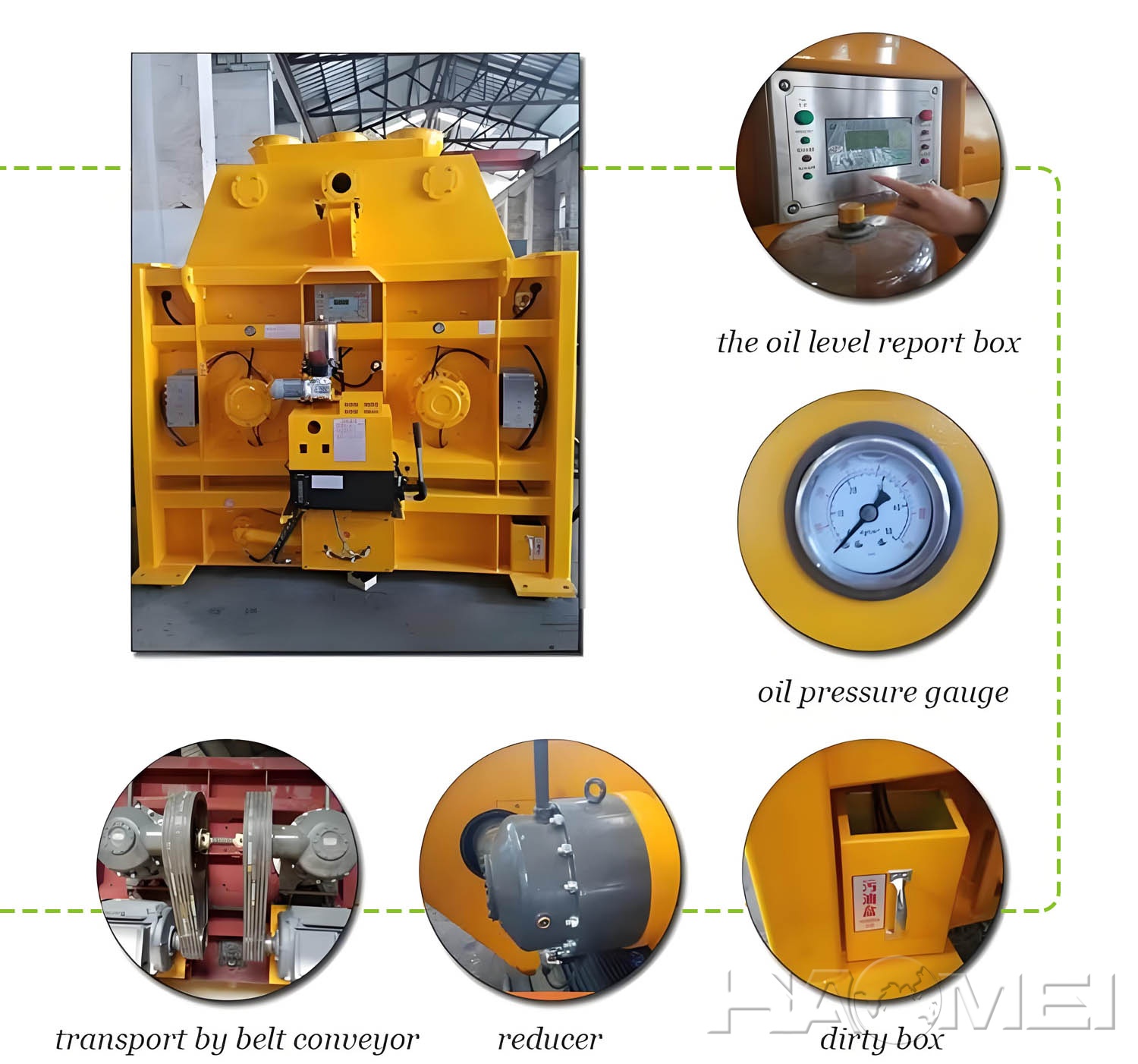
A mixer should be evaluated as a complete mechanical system rather than only by its rated capacity. Major components influence mixing performance, maintenance access, and long-term operating stability.
| Component | Main Function | Manufacturing and Maintenance Focus |
|---|---|---|
| Mixing chamber | Contains materials during charging, mixing, and discharge | Wear lining layout, chamber rigidity, and inspection access |
| Twin mixing shafts | Drive the mixing tools through the material | Shaft alignment, sealing arrangement, and bearing protection |
| Mixing arms and paddles | Move and shear materials inside the chamber | Wear resistance, adjustment capability, and replacement convenience |
| Drive assembly | Transfers motor power to the shafts | Motor, gearbox, coupling, and synchronization arrangement |
| Shaft-end seals | Help prevent slurry leakage at shaft ends | Seal design, lubrication, and routine inspection |
| Discharge gate | Releases mixed concrete after the cycle | Opening response, sealing condition, and actuator selection |
| Lubrication system | Supplies lubricant to designated moving parts | Manual or centralized lubrication options |
Configuration Options for Different Projects
Factory configuration should be based on the actual aggregate size, abrasiveness, expected operating hours, local power supply, climate, and maintenance capability. For example, projects processing abrasive aggregates may require particular attention to wear parts and lining selection, while automated commercial batching plants may prioritize control integration and centralized lubrication.
| Configuration Area | Available Direction | Practical Use |
|---|---|---|
| Feeding arrangement | Belt conveyor feed, skip hopper feed, or plant-specific connection | Adaptation to site layout and aggregate storage design |
| Wear protection | Replaceable liners, paddles, and scraper components | Supports planned maintenance in abrasive applications |
| Discharge actuation | Pneumatic or hydraulic arrangement | Selected according to plant utilities and operating preference |
| Lubrication | Manual or centralized lubrication system | Helps standardize routine maintenance tasks |
| Cleaning support | Water pipes, washout provisions, and access points | Supports end-of-shift cleaning procedures |
| Electrical interface | Connection with plant PLC and weighing control | Enables coordinated batching and mixing cycles |
| Safety equipment | Access protection, emergency stop, and inspection safeguards | Supports safe operation and maintenance procedures |
For projects requiring a similar plant mixer with established batching plant compatibility, the Sicoma Concrete Mixer product range can be reviewed according to required batch volume and installation conditions.
Engineering Applications
A 2.0m³ twin-shaft mixer is often considered where the project requires a balance between batch size, mixing quality, installation footprint, and plant throughput. Final suitability should be confirmed through a complete production calculation that includes loading time, mixing time, discharge time, truck scheduling, and material supply continuity.
| Application Scenario | Typical Concrete Requirement | Equipment Consideration |
|---|---|---|
| Commercial ready-mix plant | Repeated production of conventional concrete grades | Match mixer cycles with truck loading and aggregate supply |
| Precast component yard | Consistent mixes for molds and repetitive production | Consider mix consistency, admixture dosing, and quality control |
| Road and bridge works | On-site supply for structural concrete | Evaluate site power, material storage, and production scheduling |
| Building construction project | Centralized concrete supply for multiple work areas | Coordinate with pumps, transit mixers, or bucket transport |
| Municipal infrastructure | Variable production volumes and concrete grades | Flexible batching control and reliable material weighing are important |

Selection and Installation Considerations
Before purchasing a 2.0m³ SICOMA twin-shaft concrete mixer, project owners and plant operators should provide detailed operating information to the equipment manufacturer. This supports appropriate mechanical configuration and reduces avoidable modifications during installation.
Key information includes:
Required concrete output per hour, day, or shift.
Target batch volume and expected mixing cycle.
Aggregate size range, moisture condition, and abrasiveness.
Concrete grades, slump range, and admixture types.
Available electrical power specification and local standards.
Plant layout, feeding height, discharge height, and transport method.
Required automation level and compatibility with existing batching controls.
Preferred maintenance practices and spare-parts planning.
Installation should be completed on a properly designed foundation or supporting structure. Shaft alignment, drive connection, discharge clearance, electrical grounding, pneumatic or hydraulic connections, and safety devices should be checked before commissioning. Trial operation should be carried out without load and then with materials under controlled conditions.
Operation and Maintenance Practices
Mixer service life and concrete quality are closely related to daily operating discipline. Cleaning residual concrete after production, checking wear parts at regular intervals, and maintaining shaft-end seals are essential practices for twin-shaft mixer operation.
| Maintenance Item | Routine Check | Purpose |
|---|---|---|
| Mixing paddles and liners | Check wear and fastening condition | Maintain mixing action and protect chamber surfaces |
| Shaft-end seals | Inspect for leakage and lubrication condition | Help protect bearing and seal assemblies |
| Gearbox and drive system | Check lubricant level, noise, and temperature condition | Support stable power transmission |
| Discharge gate | Check opening, closing, and sealing performance | Avoid discharge delays and material leakage |
| Lubrication points | Follow the specified lubrication schedule | Reduce friction at designated moving components |
| Mixing chamber | Remove residual material after operation | Prevent hardened concrete buildup |
Industry Direction: Efficiency, Control, and Maintainability
Concrete batching equipment is increasingly evaluated as an integrated production system. In addition to mixing performance, users are placing greater emphasis on weighing accuracy, recipe traceability, automated production records, dust control, energy management, and maintenance accessibility.
For a 2.0m³ twin-shaft concrete mixer, practical equipment selection should therefore consider its connection with the entire batching plant. A properly matched aggregate batching system, cement silo, weighing system, control platform, and concrete delivery method can have a significant effect on overall plant efficiency.
Conclusion
A 2.0m³ SICOMA twin-shaft concrete mixer is a practical option for concrete producers and contractors requiring forced mixing within a medium-capacity batching plant arrangement. Selection should be based on concrete formulation, aggregate characteristics, production planning, plant layout, and maintenance requirements.
Factory technical evaluation can define the appropriate feeding method, wear-part configuration, discharge arrangement, lubrication system, and control interface for the intended application. This engineering-based approach helps ensure that the mixer is properly integrated into the concrete production process.