
News

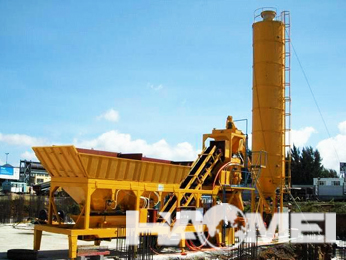
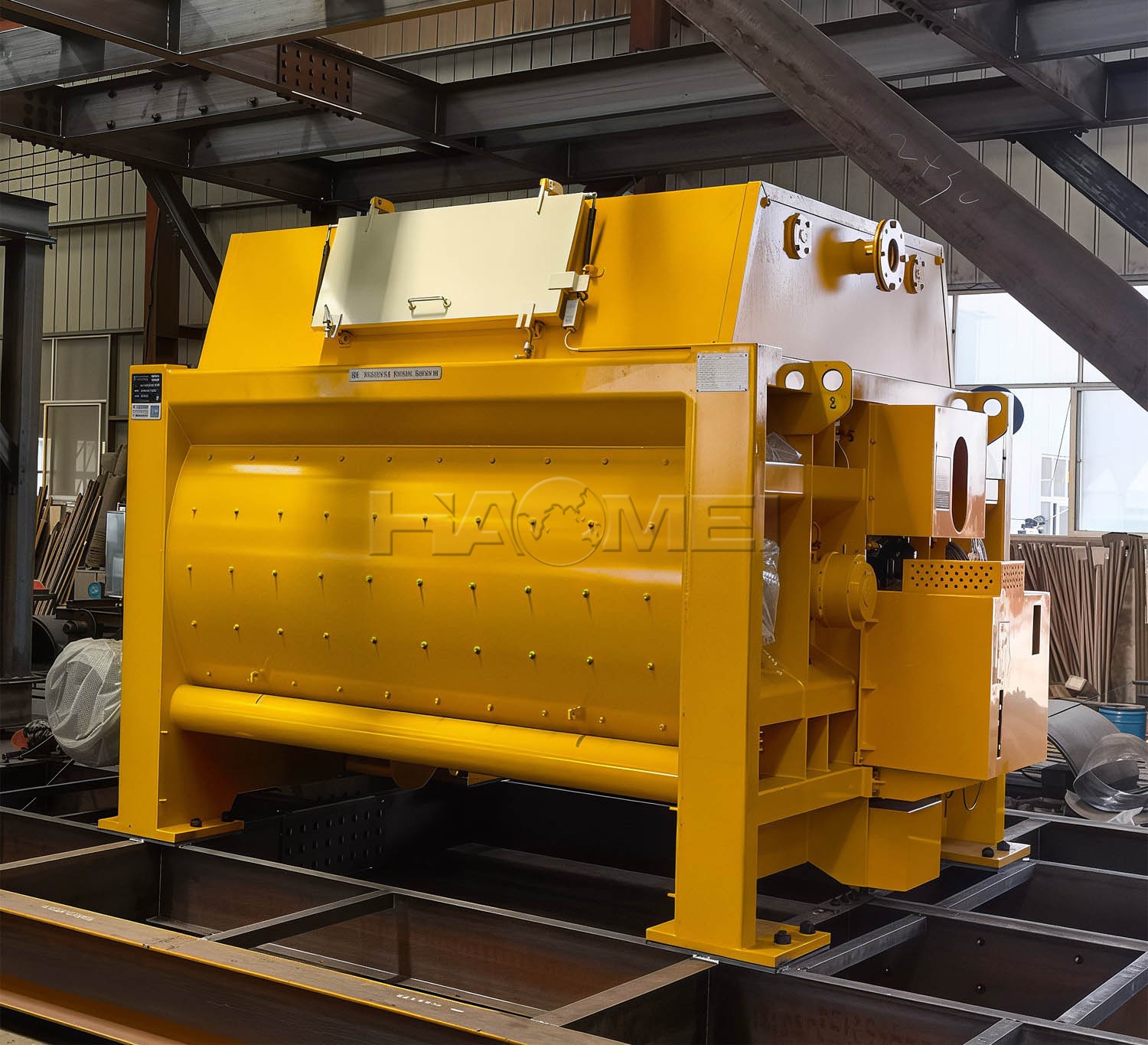
3.0CBM SICOMA Twin-Shaft Concrete Mixer for Concrete Batching Plants
A 3.0CBM SICOMA twin-shaft concrete mixer is commonly considered for medium- to large-capacity concrete batching plants that require stable mixing performance, practical maintenance access, and compatibility with automated material handling systems. As a core unit in a batching plant, the mixer directly affects batch-cycle coordination, concrete consistency, plant layout, and operating continuity.
From a manufacturing perspective, mixer selection should not be based on nominal capacity alone. Aggregate grading, concrete mix design, batching accuracy, discharge arrangement, daily production schedule, and maintenance conditions should all be reviewed before finalizing the configuration.
What Does 3.0CBM Mean in Mixer Selection?
The 3.0CBM designation is generally used to describe the mixer capacity class. Actual concrete output per batch can vary according to the material condition, mix proportion, aggregate particle size, moisture content, mixing procedure, and permitted filling ratio.
For this reason, batching plant design should distinguish between mixer volume, usable batch output, and plant hourly production. These values must be confirmed together during technical configuration rather than treated as interchangeable figures.
| Selection Item | Engineering Consideration |
|---|---|
| Mixer capacity class | 3.0CBM mixer designation for batching plant planning |
| Concrete type | Ready-mixed concrete, precast concrete, road concrete, or special mixes |
| Aggregate condition | Particle size, shape, moisture, and maximum aggregate size |
| Batch cycle | Feeding, mixing, discharge, and truck loading coordination |
| Plant output target | Depends on cycle time, plant arrangement, and production management |
| Installation environment | Foundation, power supply, access space, and maintenance conditions |
Twin-Shaft Forced Mixing Principle
A SICOMA twin-shaft concrete mixer uses two horizontally arranged mixing shafts fitted with mixing arms and blades. During operation, the shafts rotate in opposite directions, creating a forced mixing action within the mixing chamber. Materials are continuously moved, folded, dispersed, and redistributed through the overlapping mixing zones.
This mixing principle is suitable for concrete batching plants handling conventional commercial concrete as well as mixtures that require controlled blending of cementitious materials, aggregates, water, and admixtures. The final mixing result depends not only on the mixer structure, but also on batching precision, material sequence, mixing time, and process control.
Main Structural Components
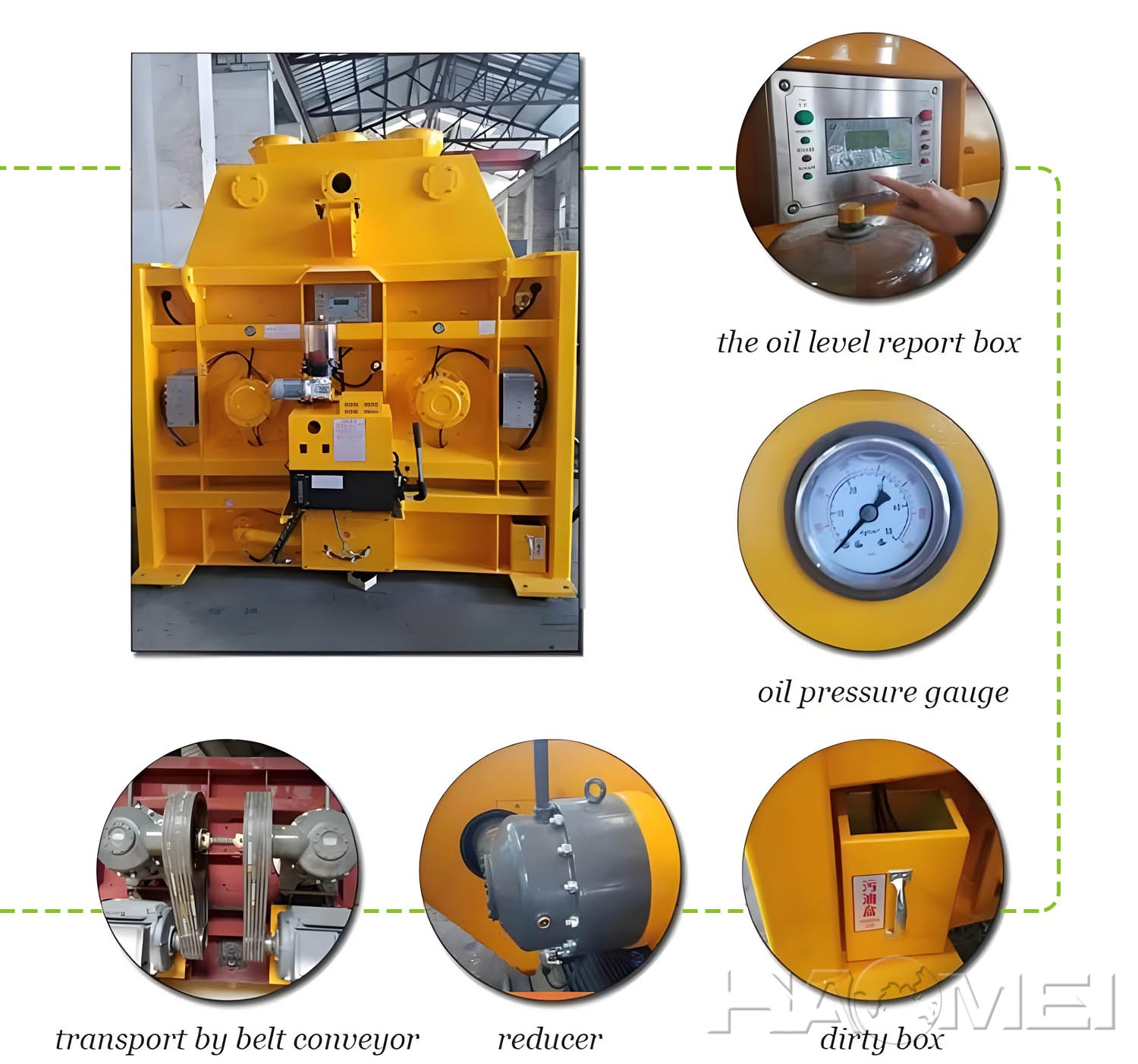
The structure of a 3.0CBM SICOMA twin-shaft concrete mixer is designed around the mixing chamber, drive system, shaft assembly, wear-resistant parts, discharge system, and lubrication arrangement. Each component should be matched to the intended application and maintenance plan.
| Component | Main Function | Configuration Focus |
|---|---|---|
| Mixing chamber | Contains materials during the mixing process | Liner arrangement, chamber access, and cleaning convenience |
| Twin shafts | Drive the forced mixing action | Shaft alignment, sealing, and bearing protection |
| Mixing arms and blades | Move and shear materials inside the chamber | Wear resistance and replacement accessibility |
| Drive system | Transfers motor power to the mixing shafts | Motor, gearbox, coupling, and protection design |
| Discharge system | Releases finished concrete after mixing | Gate type, opening control, and discharge coordination |
| Shaft-end seals | Help protect bearings from slurry and dust ingress | Seal structure, lubrication, and inspection routine |
| Lubrication system | Supports moving parts and seal maintenance | Manual or automatic lubrication options |
Performance Advantages of the 3.0 m³ SICOMA Twin-Shaft Concrete Mixer
1. Efficient and Uniform Mixing: Utilizing a twin-shaft forced-mixing design, the mixer delivers high-intensity, efficient mixing. It ensures thorough blending of cement, aggregates, powders, and water, resulting in consistent concrete quality.
2. High-Capacity Mixing for Enhanced Productivity: With a capacity of 3.0 cubic meters per batch, it is well-suited for continuous production in large-scale concrete batching plants, meeting the demands of high-output construction projects.
3. Powerful Performance and Stable Operation: Equipped with a high-performance drive system, the mixer provides stable power output and adapts effectively to various mix designs and diverse concrete production conditions.
4. Wear-Resistant and Durable: Key components—such as mixing blades and liners—are crafted from wear-resistant materials, enabling them to withstand long-term, high-intensity operation while reducing maintenance and replacement costs.
5. Versatile Application: Suitable for a wide range of uses, including ready-mix concrete, precast components, road and bridge construction, and large-scale infrastructure projects.
6. Easy Maintenance and Low Operating Costs: The well-engineered structure allows for convenient inspection and replacement of critical parts, simplifying daily maintenance and minimizing equipment downtime.
7. High Level of Automation: The mixer can be integrated with a concrete batching plant control system to automate the processes of proportioning, feeding, mixing, and discharging, thereby enhancing production management efficiency.
Configuration Options for Batching Plants
A mixer should be configured as part of the complete batching plant rather than as an isolated machine. The selected system needs to work with aggregate batching equipment, cement weighing equipment, water and admixture dosing, control systems, conveyors, and concrete transport equipment.
Common configuration considerations include the following:
Discharge arrangement: The discharge height and gate arrangement should match the receiving hopper, conveyor, transit mixer, or concrete bucket.
Wear protection: Liner plates, mixing blades, and scraper components should be selected according to aggregate abrasiveness and expected operating hours.
Control integration: The mixer control interface should coordinate with the plant's weighing and batching sequence.
Cleaning access: Inspection doors, washout procedures, and safe access platforms should be considered in the plant layout.
Lubrication method: Centralized or automatic lubrication can support planned maintenance where operating conditions justify the configuration.
Environmental measures: Dust collection, wastewater management, and residual concrete handling should be included in the overall plant design.
For projects comparing different mixer sizes and layouts, the broader Concrete Mixer range can help establish the appropriate capacity class for the intended batching plant output and application.
Typical Engineering Applications
The 3.0CBM SICOMA twin-shaft concrete mixer can be applied in batching plants where project demand calls for larger batch volumes and reliable process coordination. Suitability should be assessed against the concrete specification and plant production plan.
| Application Scenario | Mixer Selection Consideration |
|---|---|
| Commercial ready-mix plants | Batch consistency, truck loading coordination, and daily production scheduling |
| Infrastructure projects | Stable supply for foundations, bridges, roads, and municipal works |
| Precast production facilities | Repeatable mix quality and compatibility with controlled production processes |
| Hydropower and water conservancy works | Aggregate characteristics, mix design requirements, and continuous operation planning |
| Large building projects | Site logistics, space limitations, and concrete delivery rhythm |
A properly configured Sicoma Concrete Mixer can be integrated with aggregate storage, dosing equipment, screw conveyors, cement silos, and plant automation according to project-specific requirements.
Maintenance Priorities for Long-Term Operation
Regular maintenance is essential to preserve mixing quality and reduce unplanned stoppages. The maintenance schedule should follow the actual operating environment, material abrasiveness, and equipment instructions.
| Maintenance Area | Recommended Focus |
|---|---|
| Mixing blades and liners | Check wear condition and replace parts before excessive clearance affects mixing action |
| Shaft-end seals | Inspect for leakage, ensure lubrication, and monitor seal condition |
| Gearbox and drive components | Check oil condition, fasteners, vibration, and abnormal noise |
| Discharge gate | Inspect opening and closing action, sealing condition, and material buildup |
| Electrical controls | Verify interlocks, sensors, emergency stops, and control sequence operation |
| Cleaning system | Remove hardened concrete promptly and maintain safe washout procedures |
Industry Direction: Efficiency, Traceability, and Maintainability
Concrete batching plant development increasingly emphasizes production traceability, energy management, environmental control, and maintainability. Mixer selection is therefore connected to more than mixing capacity. Plant owners and contractors are also evaluating data collection, automatic dosing accuracy, preventive maintenance planning, dust control, and parts replacement efficiency.
For a 3.0CBM SICOMA twin-shaft concrete mixer, the practical objective is to support a well-matched batching process: materials should be accurately weighed, introduced in a controlled sequence, mixed according to the specified process, and discharged without disrupting the next cycle.
Conclusion
A 3.0CBM SICOMA twin-shaft concrete mixer is an important equipment option for concrete batching plants requiring a larger batch capacity and forced mixing process. Final equipment selection should be based on the required concrete type, aggregate properties, plant layout, production schedule, maintenance resources, and local operating conditions.
A complete technical review of the mixer, batching system, discharge arrangement, automation interface, and wear-part configuration helps ensure that the equipment is matched to the actual engineering application rather than selected only by nominal capacity.