
News
Difference Between Js Series And Jzc Series Concrete Mixers
Selecting the right concrete mixer is primarily an engineering decision: required concrete quality, target productivity, available power and loading method, and the expected working environment (batching plant vs. scattered job sites). From a manufacturing standpoint, JS series concrete mixers and JZC series concrete mixers represent two different technical routes: twin-shaft forced mixing vs. tilting drum mixing. Each has clear structural characteristics, working principles, and suitable application scenarios.
1) Product positioning: where each series is commonly used
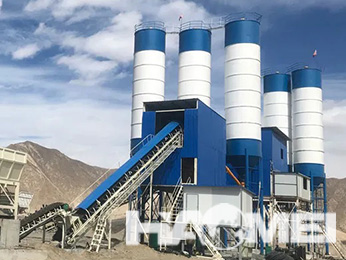
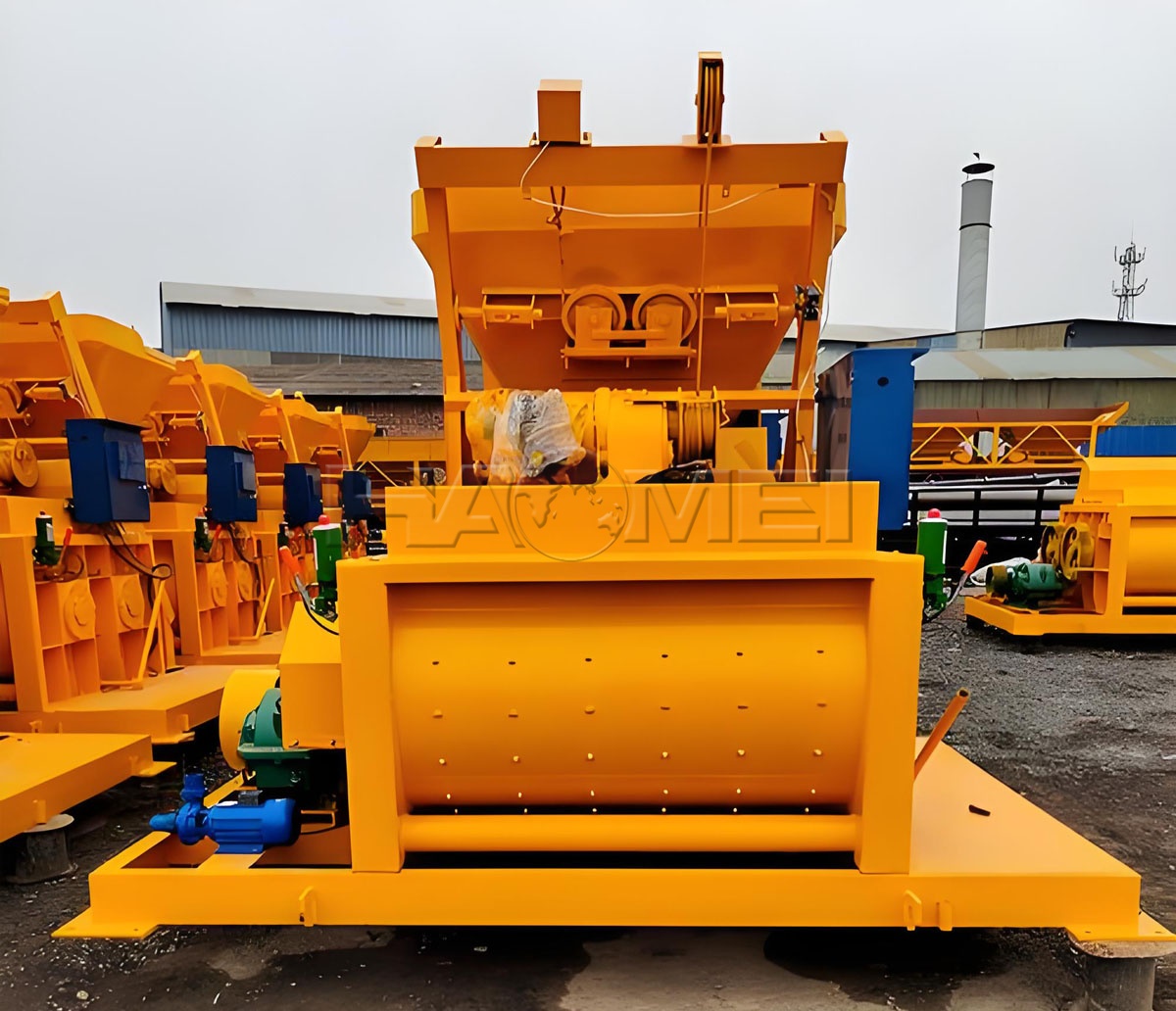
In typical projects, JS series (twin-shaft forced) mixers are most often configured as the core host inside a concrete batching plant. JZC series (drum) mixers are commonly deployed for on-site mixing where mobility, simpler feeding, or limited infrastructure is a factor.
Typical engineering scenarios
| Scenario | Common requirements | Recommended series (general guidance) |
|---|---|---|
| Commercial concrete production line | High consistency, stable cycle operation, automated weighing/discharge | JS series concrete mixer |
| Precast yard / rigid pavement | Low slump mixes, uniformity, repeatability | JS series concrete mixer |
| Building sites with intermittent pours | Flexible operation, simpler setup, modest output | JZC series concrete mixer |
| Rural infrastructure / small municipal works | Easy transport, tolerant to variable site conditions | JZC series concrete mixer |
2) Core difference in mixing principle
JS series: twin-shaft forced mixing
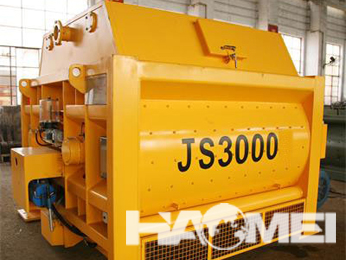
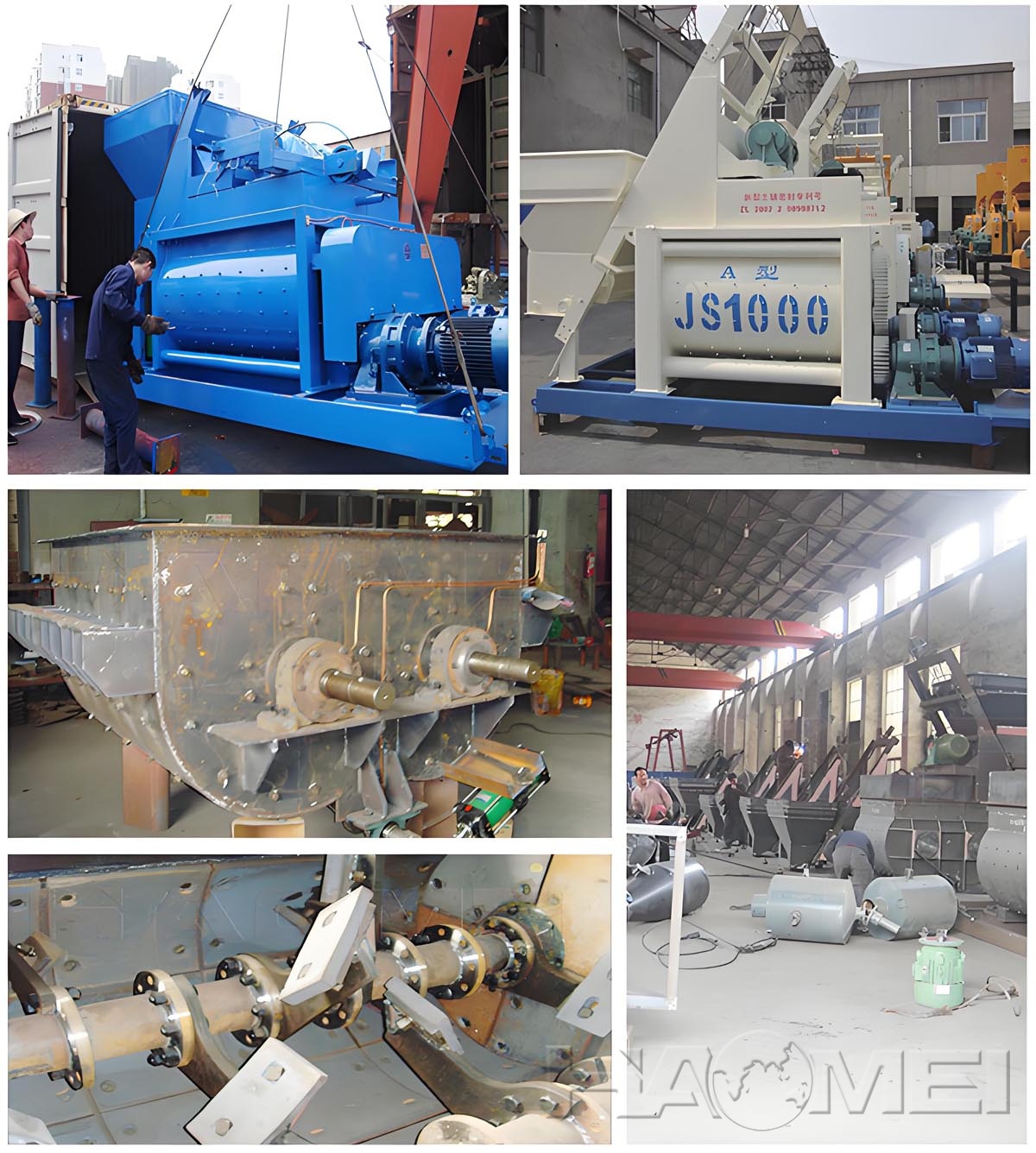
JS series mixers use two synchronized shafts equipped with mixing arms and wear-resistant liners. The paddles generate a strong three-dimensional material circulation. This forced mixing mechanism is designed to handle a broad range of mix designs and typically supports stable batching cycles when integrated with automated systems.
Manufacturing focus points often include:
Shaft synchronization and seal design (to reduce leakage and protect bearings).
Liner and paddle wear strategy (material selection and bolt layout).
Gearbox and coupling alignment for long-term stability.
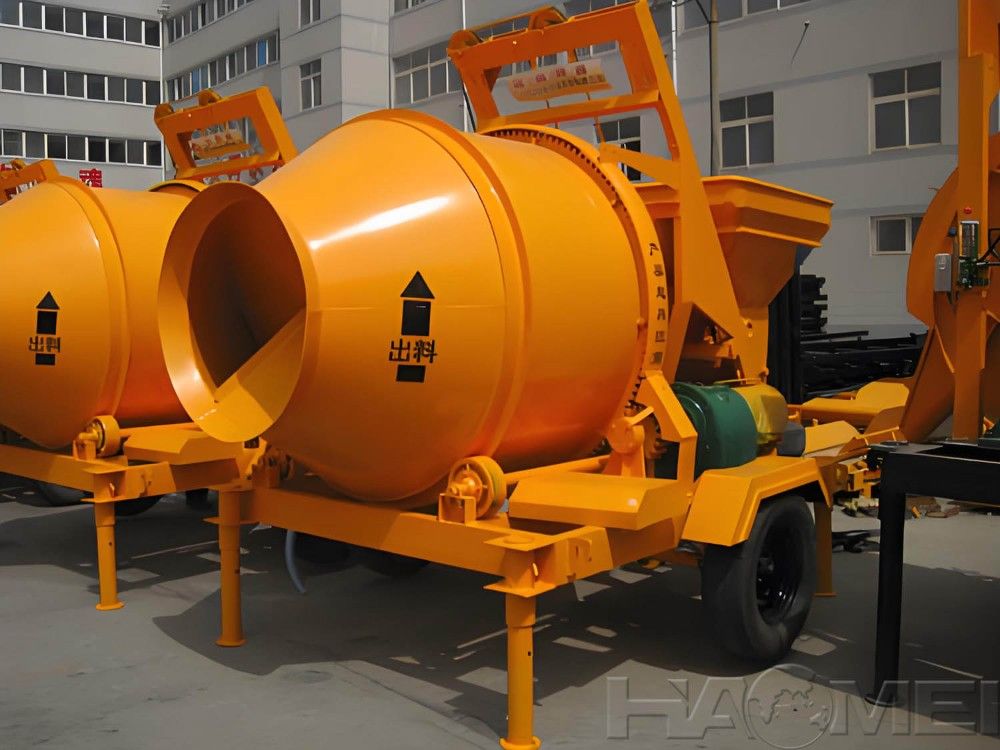
JZC series: drum (gravity) mixing
JZC series mixers use a rotating drum with internal blades. Material is lifted and dropped repeatedly inside the drum to achieve mixing. Many JZC designs use a tilting drum for discharge, which simplifies the mechanism and suits basic site workflows.
Manufacturing focus points often include:
Drum forming accuracy and welding quality (roundness and dynamic balance).
Ring gear and drive system alignment.
Blade layout for acceptable mixing and reduced sticking.
3) Structural comparison: main components and what they mean in practice
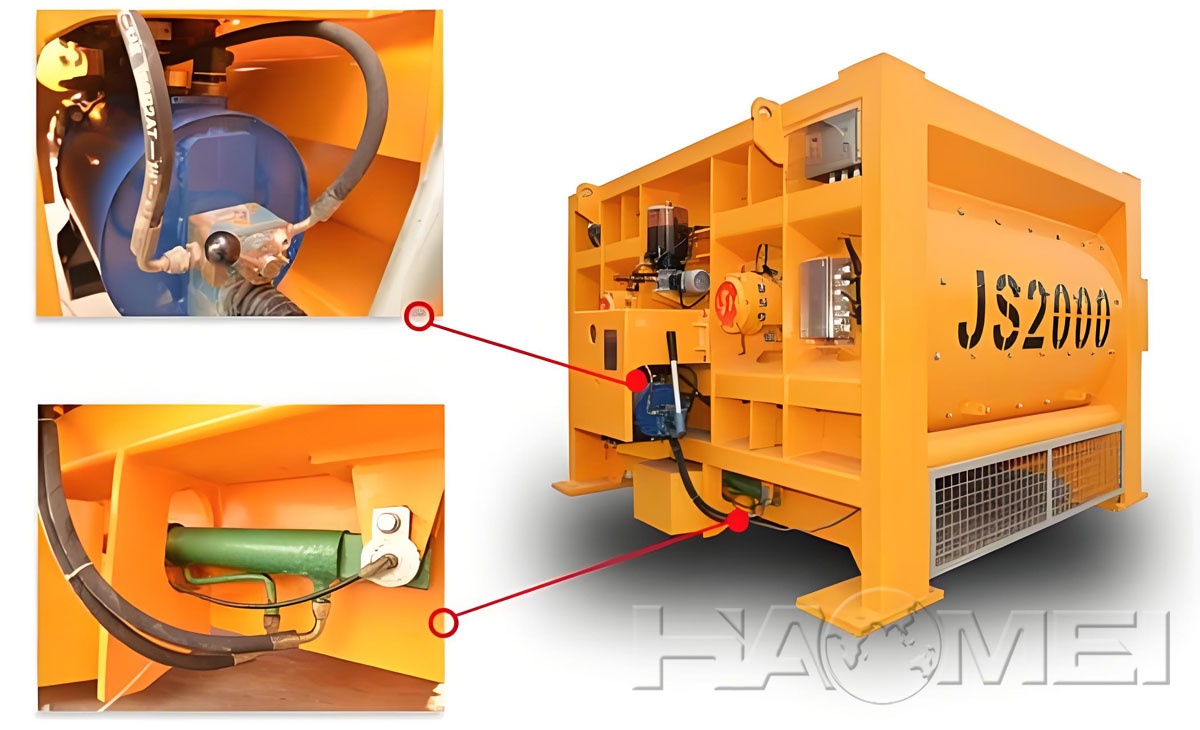
| Item | JS series concrete mixer (twin-shaft forced) | JZC series concrete mixer (drum) |
|---|---|---|
| Mixing mechanism | Twin shafts + paddles force materials to circulate | Drum rotation lifts and drops materials |
| Discharge method | Bottom discharge gate (often pneumatic/hydraulic) | Drum tilting discharge (common) |
| Wear parts | Liners, paddles, scraper assemblies | Drum blades and drum inner surface |
| Integration | Commonly paired with weighing systems in batching plants | Often used as a standalone site mixer |
| Maintenance emphasis | Seals, liners, paddle clearance, gearbox condition | Ring gear, drum support, blade condition |
| Control expansion | Easier to automate within plant PLC systems | Usually simpler controls, can be upgraded case-by-case |
4) Mixing quality, material adaptability, and consistency
Concrete performance is strongly influenced by mixing uniformity, discharge repeatability, and the ability to handle specific aggregates and admixtures.
JS series concrete mixers are generally selected when projects demand higher uniformity and stable batching rhythm, especially for low-slump mixes, dense aggregate grading, or more demanding quality management processes.
JZC series concrete mixers are commonly chosen when the mix design is relatively conventional and the project prioritizes ease of use and deployment over automated continuous production.
To avoid overstating performance, it is recommended to evaluate with the actual mix design: cement type, aggregate size distribution, moisture control method, and admixture sensitivity.
5) Configuration options that affect selection
When specifying either a JS or JZC mixer, configuration choices can significantly influence reliability and lifecycle cost.
| Configuration item | JS series options (typical) | JZC series options (typical) | Selection impact |
|---|---|---|---|
| Drive system | Dual motor + reducer, heavy-duty coupling | Motor + gear / ring gear drive | Impacts torque capacity and stability |
| Discharge actuation | Pneumatic/hydraulic gate | Mechanical tilting mechanism | Affects discharge control and integration |
| Wear package | High-chrome liners/paddles (project-dependent) | Blade material upgrades | Affects downtime and maintenance interval |
| Feeding method | Skip hoist/belt conveyor in batching plants | Manual loading / simple hopper | Affects labor and batching accuracy |
| Control system | Plant-level PLC integration | Basic control box, expandable | Affects repeatability and QA traceability |
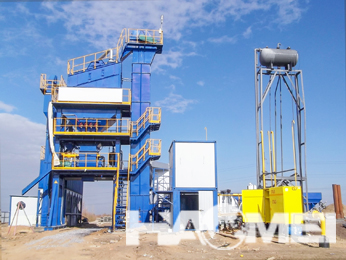
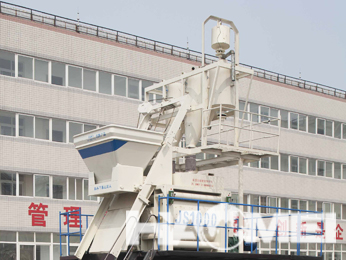
For batching plant applications, the mixer is only one node in a complete system. When the mixer is expected to work with aggregate bins, cement silo, weighing, and centralized control, the overall design typically favors a forced mixer layout.
6) Energy, maintenance, and lifecycle considerations (engineering view)
Rather than using generic claims, lifecycle evaluation should focus on measurable project factors: duty cycle, material abrasiveness, and the maintenance capacity on site.
JS series: More wear parts and higher mechanical intensity, but the structure is designed for continuous cyclic operation and predictable maintenance planning in production environments.
JZC series: Mechanically simpler in many configurations and often easier to deploy and service on smaller sites, but may be less aligned with high-frequency automated batching requirements.
7) Selection guidance: a practical decision checklist
| Decision question | If the answer is "Yes" | Suggested direction |
|---|---|---|
| Is the mixer intended for a concrete batching plant with weighing and automation? | Stable cycles and traceable batching are required | JS series concrete mixer |
| Are mixes low-slump, high aggregate content, or quality-sensitive? | Higher uniformity and strong circulation preferred | JS series concrete mixer |
| Is the project dispersed with limited infrastructure and intermittent pours? | Flexibility and simpler workflow preferred | JZC series concrete mixer |
| Is transport and on-site setup time a primary constraint? | Simple deployment matters | JZC series concrete mixer |
When a project requires a plant-grade mixer host, the Concrete Mixer selection is typically narrowed by capacity, automation level, and wear configuration. For common batching plant capacities, models such as the JS1000 Concrete Mixer are often specified based on the overall plant design and expected production rhythm.
8) Industry trend: application-driven mixer selection
Across many markets, mixer selection is becoming more application-driven:
Commercial concrete and large infrastructure projects lean toward forced mixers for process control and consistency.
Small contractors and remote works continue to value drum mixers for accessibility and manageable operating requirements.
Wear management, seal reliability, and maintainability are increasingly emphasized in specifications, especially where aggregates are abrasive or maintenance windows are short.
Conclusion
The difference between JS series and JZC series concrete mixers is fundamentally a difference in mixing principle and intended operating mode. JS series twin-shaft forced mixers are commonly engineered for batching plant integration and controlled cyclic production, while JZC series drum mixers suit flexible, site-based work where simplicity and deployment are key. Final selection should be confirmed against project mix design, required quality control, available feeding and power conditions, and maintenance resources.