
News
How Does an Asphalt Mixing Plant Work?
An asphalt mixing plant is designed to produce hot mix asphalt by combining graded aggregates, mineral filler, and bitumen under controlled temperature and proportioning conditions. From a manufacturing perspective, the core task of the equipment is not only to mix materials, but also to ensure stable heating, accurate metering, efficient dust collection, and reliable discharge for road construction and maintenance projects.
Modern asphalt plants are widely used in highway construction, municipal road works, airport runways, industrial parks, bridge approach roads, and pavement repair projects. Depending on the production process, the main types include batch asphalt mixing plants and drum asphalt mixing plants. Each type has its own working principle and suitable application scenarios.
Main Components of an Asphalt Mixing Plant
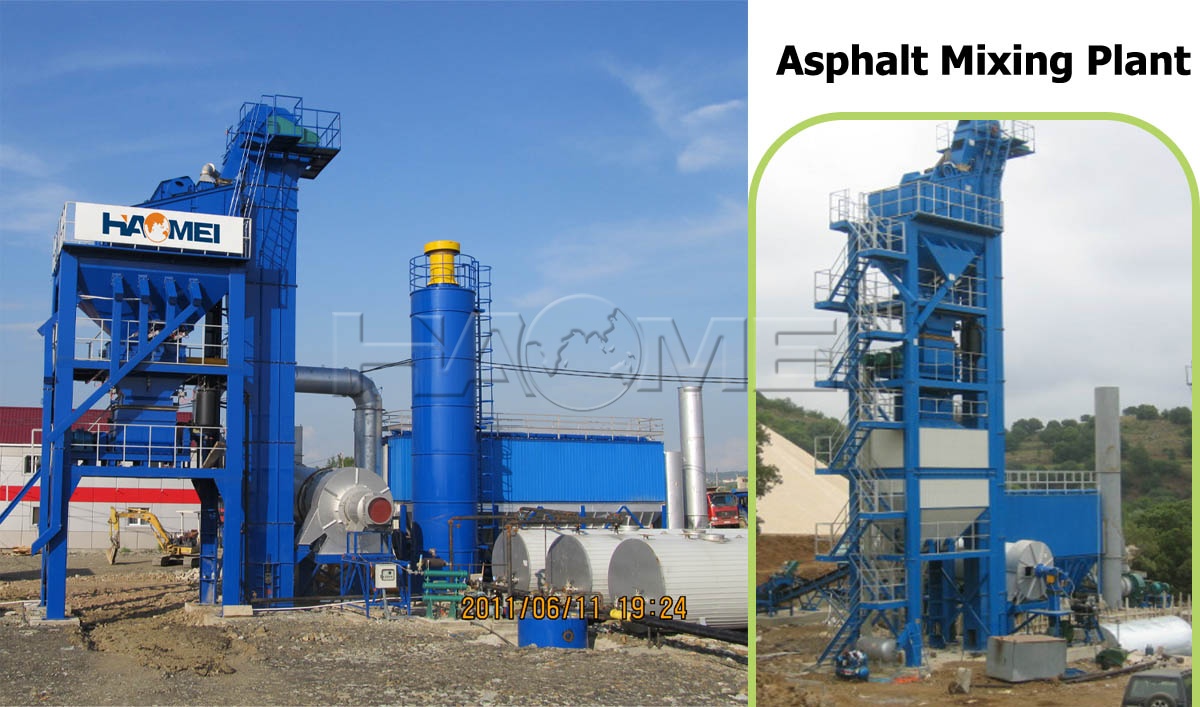
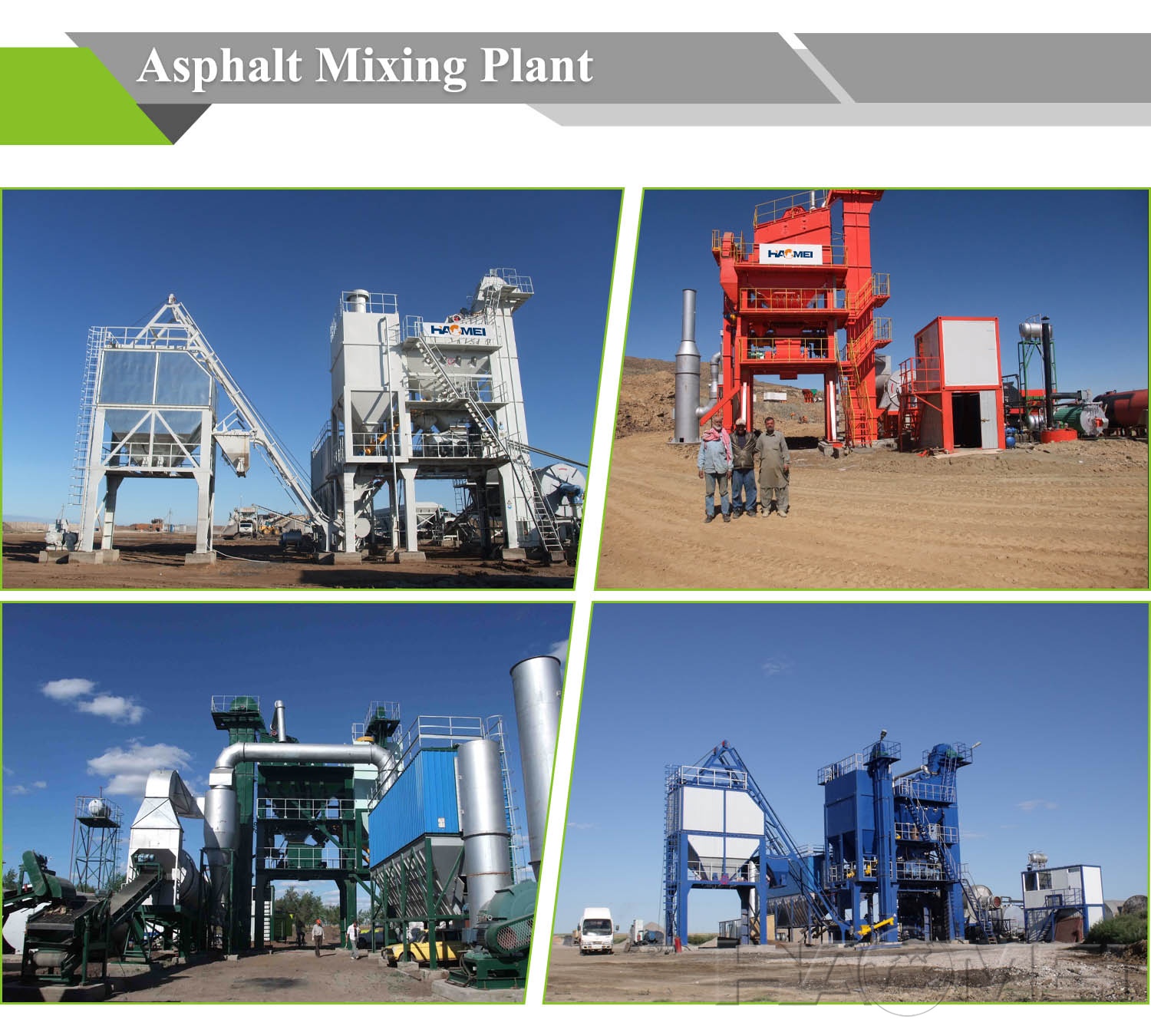
Although different models vary in layout and configuration, a complete Asphalt Mixing Plant generally consists of the following systems:
| System | Main Function | Key Equipment or Parts |
|---|---|---|
| Cold aggregate supply system | Stores and feeds different sizes of aggregates | Cold feed bins, belt feeders, collecting conveyor |
| Drying and heating system | Removes moisture and heats aggregates | Drying drum, burner, fuel system, exhaust duct |
| Screening and weighing system | Classifies and meters hot aggregates | Vibrating screen, hot aggregate bins, aggregate scale |
| Bitumen supply system | Stores, heats, and meters asphalt binder | Bitumen tank, thermal oil heater, pump, bitumen scale |
| Filler supply system | Stores and meters mineral powder or recovered dust | Filler silo, screw conveyor, filler scale |
| Mixing system | Mixes aggregates, bitumen, and filler evenly | Twin-shaft mixer or drum mixer |
| Dust collection system | Collects dust and reduces emissions | Primary dust collector, baghouse filter, induced draft fan |
| Control system | Coordinates feeding, weighing, heating, mixing, and discharge | PLC, sensors, control cabinet, operation interface |
| Finished material system | Temporarily stores and discharges hot mix asphalt | Skip hoist, finished product silo, discharge gate |
Step-by-Step Working Process
The asphalt plant working process can be understood as a continuous material flow from cold aggregate feeding to finished asphalt discharge. In a batch plant, the process is divided into measured cycles. In a drum plant, drying and mixing are completed continuously inside the drum.
1. Cold Aggregate Feeding
Aggregates of different sizes are loaded into separate cold feed bins. Each bin is equipped with a belt feeder or variable-speed feeder to control the discharge quantity. The materials are then transferred by a collecting conveyor to the drying drum.
Accurate cold feeding is important because it affects the final aggregate gradation. For projects with strict pavement specifications, the feed rate of each aggregate size should be adjusted according to the mix design.
2. Drying and Heating
The cold aggregates enter the drying drum, where a burner generates hot air to remove moisture and heat the materials to the required mixing temperature. The drum rotates continuously, and internal lifting blades raise and drop aggregates through the hot airflow to improve heat exchange.
The heating process must be stable. If the aggregate is underheated, the bitumen coating may be insufficient. If overheated, material aging and unnecessary fuel consumption may occur. Therefore, burner control, drum structure, airflow design, and temperature monitoring are important parts of asphalt mixing plant engineering.
3. Dust Removal and Environmental Control
During drying, dust and exhaust gas are produced. The dust-laden gas first passes through a primary dust collection device, and then enters a baghouse filter for fine dust separation. Collected dust can be handled according to project requirements, and part of it may be returned as filler if it meets the mix design and local standards.
Environmental configuration is increasingly important in the asphalt industry. Many projects now pay attention to dust control, noise reduction, fuel efficiency, and clean production management.
4. Hot Aggregate Screening and Storage
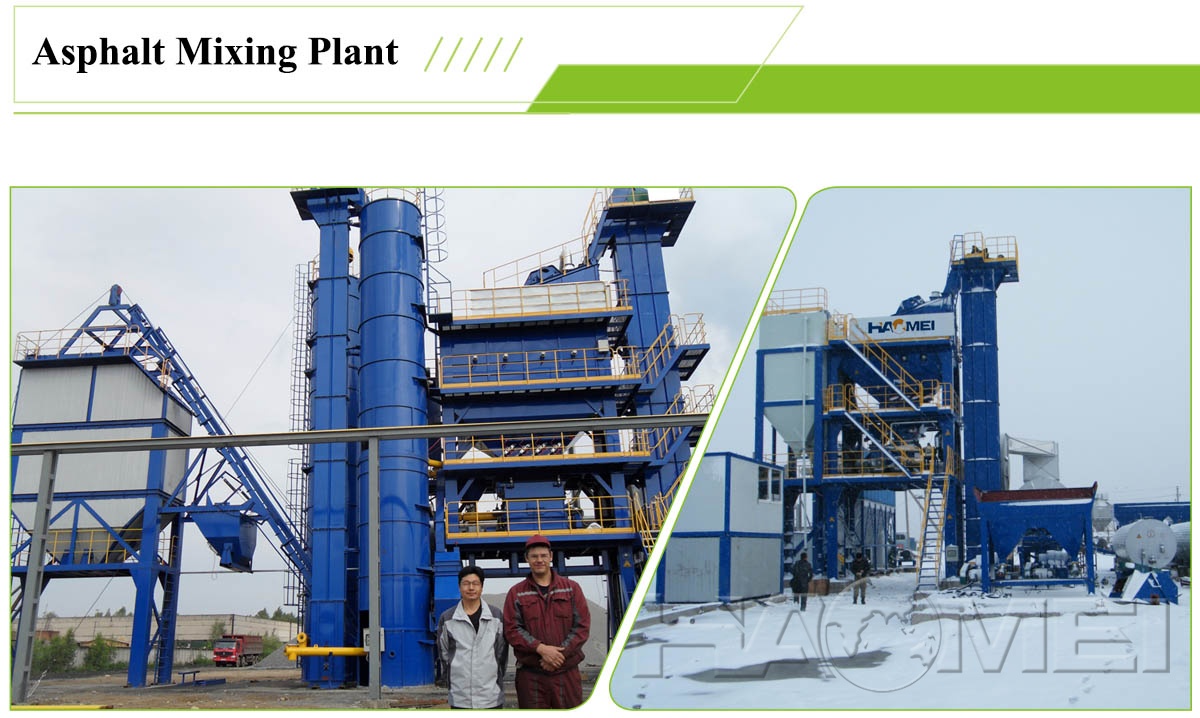
In a batch asphalt plant, heated aggregates are lifted to the vibrating screen. The screen separates them into several sizes and stores them in hot aggregate bins. This step allows the plant to correct gradation more precisely before weighing.
The screen mesh arrangement should match the aggregate specification required by the project. Regular inspection is necessary because worn or blocked screens can affect aggregate classification.
5. Weighing of Aggregates, Bitumen, and Filler
After screening, aggregates are discharged from the hot bins into the aggregate weighing hopper according to the preset recipe. At the same time, bitumen and mineral filler are measured separately through their own weighing systems.
| Material | Metering Method | Control Focus |
|---|---|---|
| Hot aggregate | Weighing hopper below hot bins | Gradation accuracy and batch consistency |
| Bitumen | Bitumen scale or flow metering system | Binder content and temperature stability |
| Mineral filler | Filler scale or screw feeding control | Filler dosage and moisture prevention |
| Reclaimed dust, if used | Controlled return system | Compatibility with mix design requirements |
Accurate metering is one of the main differences between a simple heating system and a professional asphalt mixing plant. The control system records and adjusts the weighing process to support stable production quality.
6. Mixing
The measured materials enter the mixer. In a batch plant, dry mixing usually occurs first, allowing aggregates and filler to distribute evenly. Bitumen is then sprayed into the mixer for wet mixing. The mixer paddles and arms force the materials to turn, shear, and coat until a uniform hot mix asphalt is produced.
For continuous drum plants, aggregate drying and bitumen mixing are integrated into the drum structure. The material moves forward while being heated and mixed, making this type suitable for continuous production with relatively stable mix requirements. For example, the DHB40 Drum Asphalt Mixing plant represents a drum-type configuration used in projects where compact layout and continuous operation are preferred.
7. Finished Asphalt Discharge and Storage
After mixing, the finished asphalt mixture is discharged directly into a truck or transferred to a finished material silo. A storage silo can help coordinate plant production and truck dispatching, especially when haul distance, site traffic, or paving speed varies.
The finished mixture should be transported and paved within a suitable temperature range according to project specifications. The plant, transport fleet, and paving equipment must work together to maintain construction continuity.
Batch Plant vs. Drum Plant: How the Working Principle Differs
Both batch and drum plants produce asphalt mixture, but their material flow and control logic are different.
| Item | Batch Asphalt Mixing Plant | Drum Asphalt Mixing Plant |
|---|---|---|
| Production mode | Produces asphalt in separate batches | Produces asphalt continuously |
| Aggregate processing | Drying, screening, weighing, then mixing | Drying and mixing occur continuously in the drum |
| Mix flexibility | Suitable for frequent formula changes | Suitable for stable, continuous mix production |
| Main mixing unit | Independent twin-shaft mixer | Mixing section inside the drum |
| Typical application | High-grade roads, municipal projects, varied recipes | Road maintenance, rural roads, continuous paving work |
| Control focus | Precise batch weighing and recipe management | Stable feed rate, temperature, and continuous proportioning |
For projects requiring multiple asphalt recipes in one day, a batch plant may offer stronger formula adaptability. For projects with relatively consistent material requirements and continuous output demand, a drum plant can be a practical solution.
Key Configuration Options
An asphalt mixing plant can be configured according to project scale, site conditions, fuel availability, environmental requirements, and automation needs.
| Configuration Option | Purpose | Selection Considerations |
|---|---|---|
| Burner type | Provides heat for aggregate drying | Fuel type, local energy supply, maintenance convenience |
| Baghouse filter | Controls dust emissions | Filtration area, bag material, temperature resistance |
| Bitumen tank | Stores and heats binder | Tank capacity, heating method, insulation quality |
| Control system | Manages plant operation | Recipe storage, fault alarm, production record functions |
| Finished product silo | Buffers finished asphalt | Truck dispatching efficiency and site layout |
| Additive system | Supports special asphalt mixtures | Fiber, anti-stripping agent, modified binder, or other additives |
| Reclaimed asphalt pavement system, if required | Allows RAP material processing | Local specifications, mixture design, heating method |
No single configuration is suitable for every project. The plant should be matched with aggregate characteristics, asphalt type, paving schedule, transport distance, and local environmental regulations.
Control System and Automation
The control system is the coordination center of the asphalt plant. It receives signals from temperature sensors, weighing sensors, level indicators, motors, valves, and other devices. Based on the production formula, it controls material feeding, aggregate weighing, bitumen injection, filler addition, mixing time, and discharge sequence.
A well-designed control system helps operators monitor the process clearly and respond to abnormal conditions. Common functions include:
Recipe setting and storage
Real-time temperature display
Weighing status monitoring
Burner operation control
Dust collector pressure monitoring
Motor and conveyor interlock protection
Fault alarm and production record management
Automation does not replace proper equipment management. It supports operators by improving process visibility and reducing manual adjustment errors.
Engineering Applications
Asphalt mixing plants are commonly selected according to project type and construction organization. For small repair works or rural road construction, compact drum plants may be practical due to simpler process flow. For urban roads, highways, and projects with multiple asphalt grades, batch plants are often considered because they can manage different recipes more flexibly.
Typical application scenarios include:
| Application Scenario | Plant Requirements |
|---|---|
| Highway construction | Stable output, accurate gradation, reliable dust collection |
| Municipal road works | Flexible recipes, compact layout, noise and dust control |
| Airport pavement | Strict mixture uniformity and quality control |
| Road maintenance | Quick setup, continuous operation, convenient transport arrangement |
| Industrial park roads | Balanced capacity, easy operation, dependable finished material storage |
Maintenance Points That Affect Working Stability
The working principle of an asphalt plant is systematic, so maintenance should not focus on one component only. Regular inspection helps keep the plant running safely and consistently.
Important maintenance points include:
Check cold feed belts, rollers, and bin discharge gates.
Inspect drying drum flights for wear or deformation.
Clean burner nozzles and verify flame condition according to the maintenance manual.
Monitor baghouse differential pressure and replace filter bags when necessary.
Calibrate aggregate, bitumen, and filler weighing systems periodically.
Inspect mixer liners, arms, and paddles for wear.
Keep bitumen pipelines heated and insulated to prevent blockage.
Test emergency stop devices, limit switches, and interlocks.
Good maintenance supports production continuity, mixture quality, and equipment service life.
Industry Trend: Cleaner, Smarter, and More Adaptable Plants
The asphalt industry is moving toward cleaner production, improved energy management, digital control, and greater adaptability to different mixture designs. Many project owners now evaluate not only production capacity, but also emissions control, automation level, maintenance accessibility, and lifecycle operating cost.
For manufacturers, this means plant design must balance mechanical reliability with intelligent control. Better drying efficiency, stable material metering, modular installation, and environmental protection systems are becoming important directions in asphalt plant development.
Conclusion
An asphalt mixing plant works by feeding cold aggregates, drying and heating them, controlling dust, metering aggregates, bitumen, and filler, then mixing and discharging finished hot mix asphalt. The exact process depends on whether the plant is a batch type or a drum type, as well as the project requirements and configuration choices.
Understanding the working principle helps contractors and project planners select suitable equipment, arrange site logistics, and manage asphalt production quality. From equipment structure to control logic, a properly configured asphalt mixing plant is an integrated production system for modern road construction.