
News
LB1500 Asphalt Mixing Plant Exported to Saudi Arabia
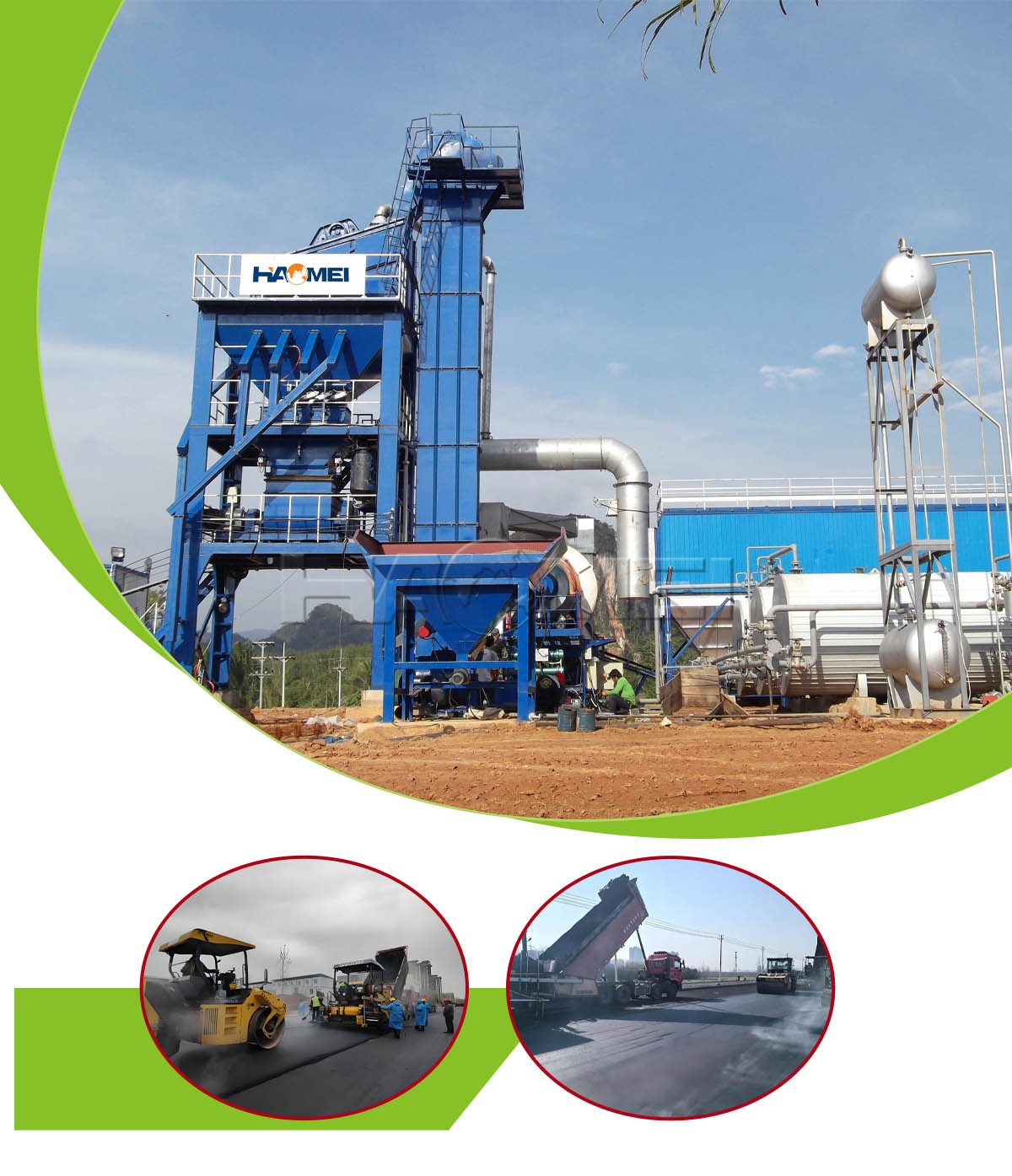
A set of LB1500 Asphalt Mixing Plant has completed factory inspection and shipment preparation for Saudi Arabia. The equipment is intended for asphalt mixture production in road construction and maintenance projects, where stable batching accuracy, reliable drying and heating, and convenient site installation are important engineering requirements.
Project Background
Saudi Arabia has continued to invest in transport infrastructure, urban roads, industrial zones, and supporting access roads. In these applications, asphalt mixing equipment is required to adapt to high ambient temperatures, dusty working conditions, variable aggregate sources, and continuous construction schedules.
From the manufacturer's perspective, the export of this LB1500 batch-type asphalt plant focuses not only on equipment delivery, but also on configuration matching, manufacturing quality control, and installation readiness for the project site.
| Item | Description |
|---|---|
| Destination | Saudi Arabia |
| Equipment | LB1500 batch-type asphalt mixing plant |
| Main application | Production of asphalt mixture for road paving projects |
| Configuration focus | Stable batching, efficient drying, dust collection, and modular installation |
| Factory work scope | Manufacturing, inspection, packing, and shipment preparation |
Equipment Structure and Working Principle
The LB1500 asphalt mixing plant adopts a batch mixing process. Compared with continuous mixing equipment, a batch asphalt plant weighs aggregate, filler, and bitumen separately before each mixing cycle, making it suitable for projects that require recipe adjustment and controlled mixture quality.
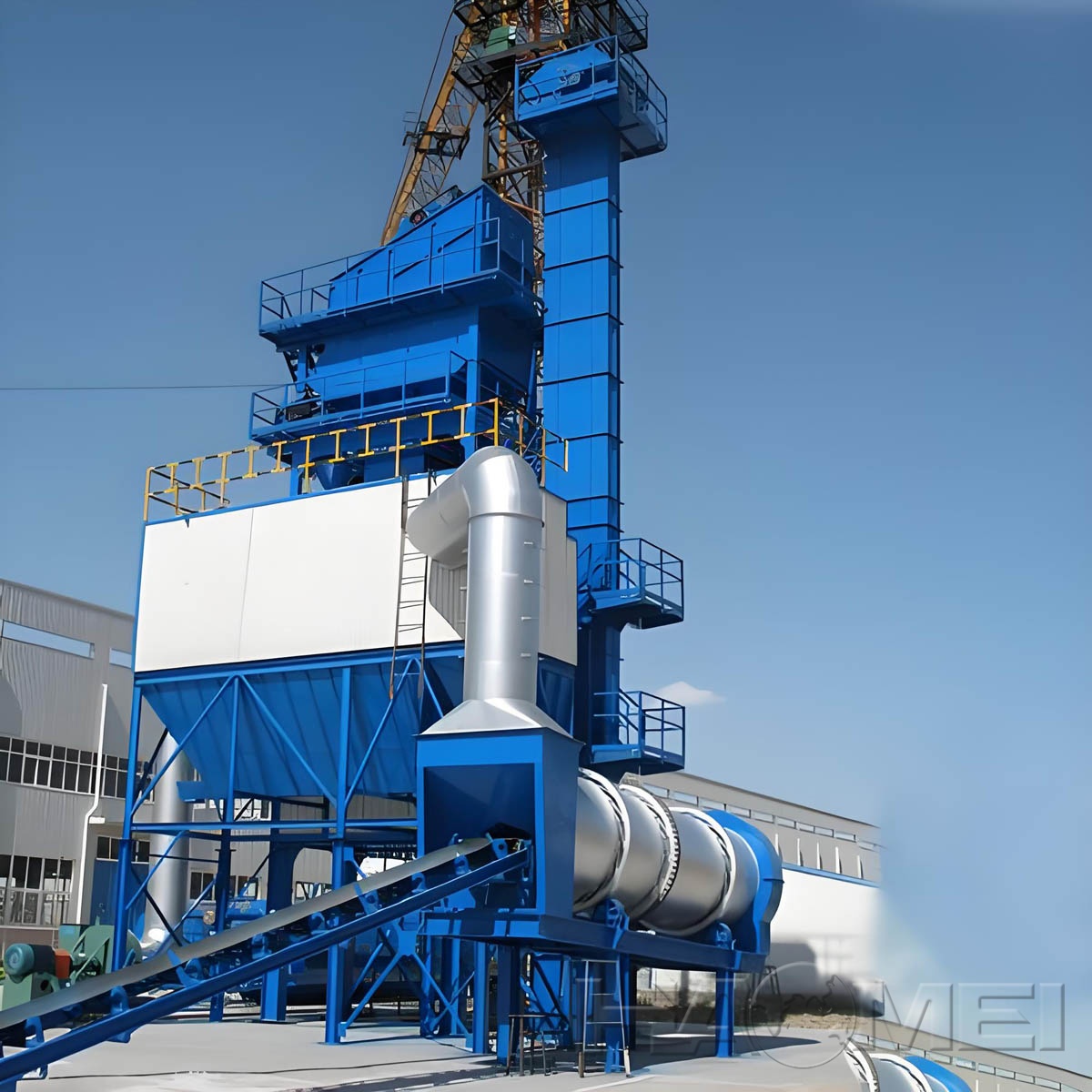
A complete Asphalt Mixing Plant generally includes cold aggregate feeding, drying, screening, hot aggregate storage, weighing, mixing, bitumen supply, filler supply, dust collection, and an electrical control system.
| Main System | Function in Asphalt Production | Engineering Considerations |
|---|---|---|
| Cold aggregate feeding system | Supplies aggregates of different sizes according to the set proportion | Bin quantity and belt feeding should match aggregate gradation requirements |
| Drying drum and burner | Removes moisture from aggregates and heats them to the required mixing condition | Burner selection should consider local fuel availability and operating environment |
| Hot aggregate elevator and screening system | Lifts and separates heated aggregates into different sizes | Screening efficiency and maintenance access are important for continuous operation |
| Weighing system | Measures aggregate, filler, and bitumen before mixing | Accuracy and stable sensor performance help maintain mix consistency |
| Mixer | Mixes aggregate, filler, and bitumen into finished asphalt mixture | Wear-resistant lining and blade arrangement affect service life and mixing uniformity |
| Dust collection system | Collects dust generated during drying and screening | Dust control supports cleaner operation and compliance with site requirements |
| Control system | Manages production parameters, batching sequence, and operation monitoring | Interface language, electrical standards, and spare parts access should be considered |
Configuration Considerations for Saudi Arabia
For projects in Saudi Arabia, asphalt plant configuration should be selected according to site conditions rather than a single standard layout. Ambient temperature, wind-blown dust, aggregate moisture, power supply, fuel type, and transport distance all influence final equipment configuration.
| Site Requirement | Configuration Consideration |
|---|---|
| High temperature environment | Electrical components, lubrication points, and cable routing should be arranged for safe and stable operation |
| Dusty working conditions | Dust collection, sealing points, and maintenance cleaning access should be carefully planned |
| Different aggregate sources | Cold feeder layout and screening configuration should match local aggregate grading |
| Project schedule requirements | Modular plant structure can help reduce on-site installation workload |
| Local operation and maintenance | Clear labeling, accessible platforms, and spare parts planning support long-term use |
Factory Inspection and Shipment Preparation
Before delivery, the equipment was checked according to the production and inspection procedures of the manufacturing workshop. The inspection process focused on structural fabrication quality, component matching, mechanical transmission, electrical cabinet layout, and packing suitability for long-distance transport.
| Inspection Item | Main Check Content |
|---|---|
| Steel structure | Welding appearance, assembly dimensions, connection points, and anti-corrosion treatment |
| Mechanical parts | Drum, elevator, screen, mixer, conveyor, and transmission components |
| Electrical system | Control cabinet wiring, terminal labeling, sensor connection, and protection arrangement |
| Dust collection parts | Baghouse structure, air duct interface, and sealing connection points |
| Packing and loading | Modular packing, container arrangement, component marking, and delivery documentation |
Engineering Application Value
The LB1500 asphalt mixing plant is suitable for road construction projects that require stable asphalt mixture supply and recipe flexibility. In Saudi Arabia, this type of equipment can be applied in municipal road construction, highway maintenance, industrial park roads, logistics area pavement, and supporting infrastructure projects.
Batch-type asphalt mixing technology is especially useful when the project needs to adjust asphalt mixture formulas for different pavement layers, such as base course, binder course, and surface course. Through separate weighing and controlled mixing, the plant can support more organized production management on site.
Industry Trend: Practical, Efficient, and Easier to Maintain
Current asphalt plant procurement is increasingly focused on practical operation rather than only nominal capacity. Contractors and project owners are paying more attention to fuel adaptability, dust control, automation level, maintenance convenience, and installation efficiency.
For export projects, manufacturers also need to consider regional electrical standards, language requirements for the control interface, operator training, spare parts supply, and after-sales technical guidance. These factors directly affect the long-term operating stability of asphalt mixing equipment in overseas engineering projects.
Conclusion
The export of the LB1500 Asphalt Mixing Plant to Saudi Arabia reflects the demand for reliable batch asphalt mixing equipment in road infrastructure construction. Through suitable configuration, factory inspection, and structured shipment preparation, the equipment is prepared to support asphalt mixture production under local project conditions.
As a construction machinery manufacturer, continued attention will be given to equipment structure optimization, energy use, environmental protection, and operation convenience, helping asphalt mixing plants better serve road construction projects in different regions.