
News
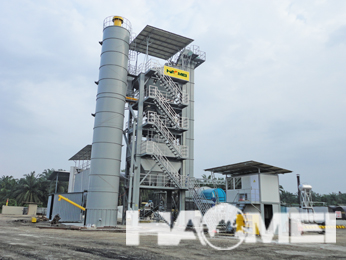
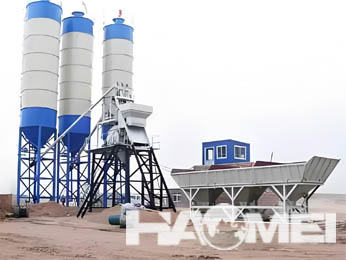
LB1500 High-Quality Asphalt Mixing Plant
For highway maintenance, municipal road construction, industrial park roads, and airport auxiliary projects, asphalt mixture quality depends not only on raw materials but also on the stability of the mixing equipment. The LB1500 high-quality asphalt mixing plant is a batch-type asphalt production system designed for projects that require accurate aggregate grading, controlled heating, reliable weighing, and consistent mixing.
As an equipment manufacturer, the factory focuses on the structural design, manufacturing precision, and configuration adaptability of the LB1500 asphalt mixing plant. The aim is to help contractors match production requirements with practical site conditions, environmental standards, and long-term operating needs.
Understanding the LB1500 Asphalt Mixing Plant
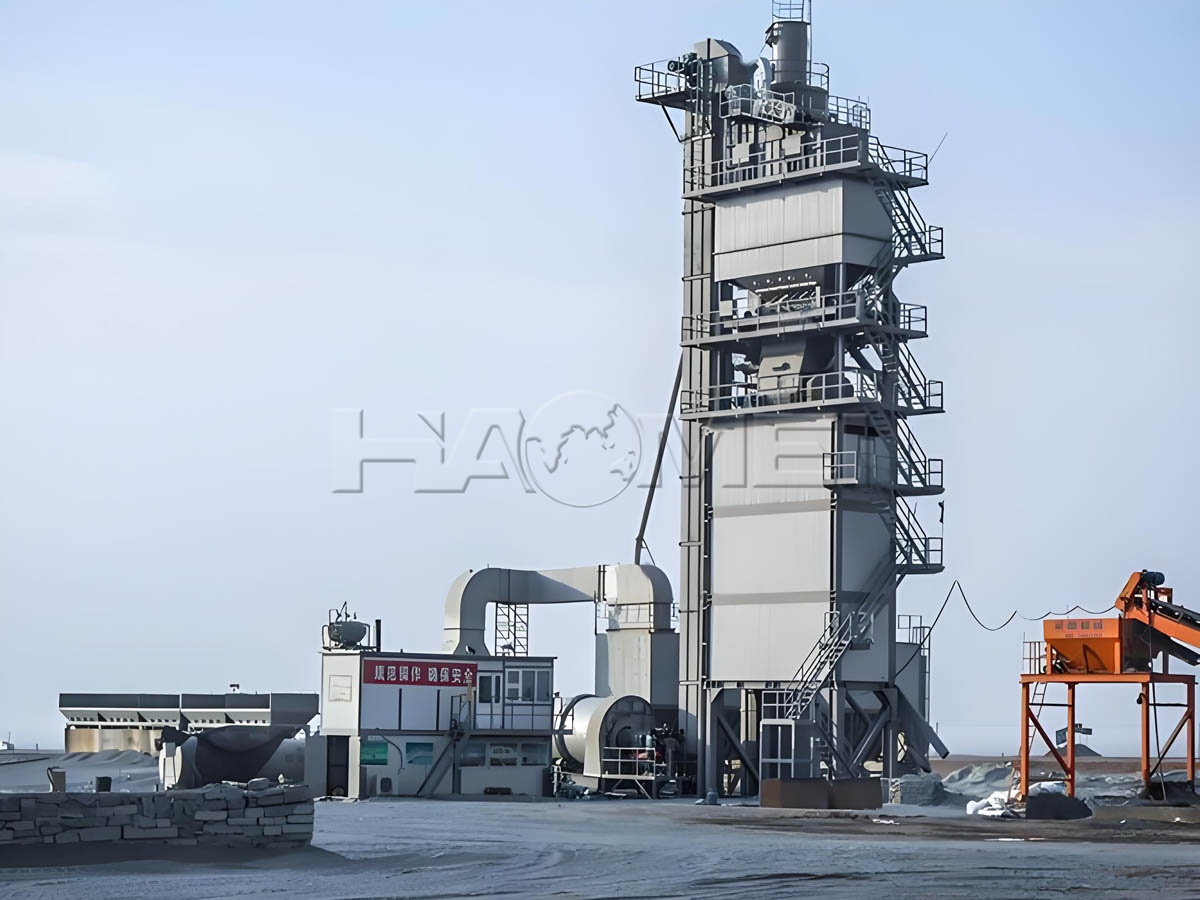
The LB1500 belongs to the batch asphalt plant category. Compared with continuous drum mixing equipment, a batch-type plant separates drying, screening, weighing, and mixing processes. This structure is suitable for projects where asphalt mixture gradation and formula control are important.
The LB1500 Asphalt Mixing Plant is commonly selected for medium-scale road projects, urban infrastructure construction, and asphalt production bases that need flexible recipe switching. Its modular structure also supports transportation, installation, maintenance, and future configuration adjustment.
Main System Structure
The LB1500 high-quality asphalt mixing plant is composed of multiple coordinated systems. Each system affects the final mixture quality, fuel efficiency, environmental performance, and operating stability.
| System | Main Function | Manufacturing Focus |
|---|---|---|
| Cold aggregate feeding system | Supplies different sizes of aggregate according to the preset ratio | Stable belt feeding, adjustable aggregate flow, reliable bin structure |
| Drying drum and burner system | Removes moisture from aggregate and heats it to process temperature | Heat transfer efficiency, drum sealing, burner matching, fuel adaptability |
| Dust collection system | Collects dust generated during drying and conveying | Airflow design, filter protection, compliance with local emission requirements |
| Hot aggregate elevator and screening system | Lifts and separates heated aggregate into specified sizes | Wear resistance, screening accuracy, vibration stability |
| Hot aggregate storage bins | Temporarily store screened hot aggregate | Smooth discharge, heat retention, anti-blocking design |
| Weighing system | Measures aggregate, bitumen, and filler before mixing | Measurement accuracy, sensor reliability, control response |
| Mixing unit | Blends aggregate, bitumen, and filler into finished asphalt mixture | Mixing uniformity, blade arrangement, liner wear resistance |
| Bitumen supply system | Stores, heats, pumps, and meters asphalt binder | Temperature control, pipeline insulation, pump stability |
| Filler supply system | Stores and meters mineral powder or recovered dust | Sealed conveying, anti-arching design, dosage control |
| Finished material storage system | Stores mixed asphalt before truck loading | Discharge control, heat preservation, site layout compatibility |
| Electrical control system | Coordinates production process and equipment protection | Automatic control logic, fault indication, data display, safety interlock |
Working Principle of the Batch Mixing Process
The working process of an LB1500 asphalt batching plant follows a clear sequence. Cold aggregates are first fed from separate bins according to the mix design. They are transported into the drying drum, where moisture is removed and the aggregates are heated. The heated aggregates then pass through the elevator and vibrating screen before entering hot aggregate bins.
After screening, aggregates are weighed according to the production formula. At the same time, bitumen and filler are heated, conveyed, and weighed independently. The weighed materials enter the mixer in sequence, where they are blended into a uniform asphalt mixture. Finally, the finished mixture is discharged into a storage silo or directly loaded into transport trucks.
This batch-by-batch production method allows operators to adjust formulas for different pavement layers, such as base course, binder course, and wearing course mixtures.
Configuration Options for Different Project Needs
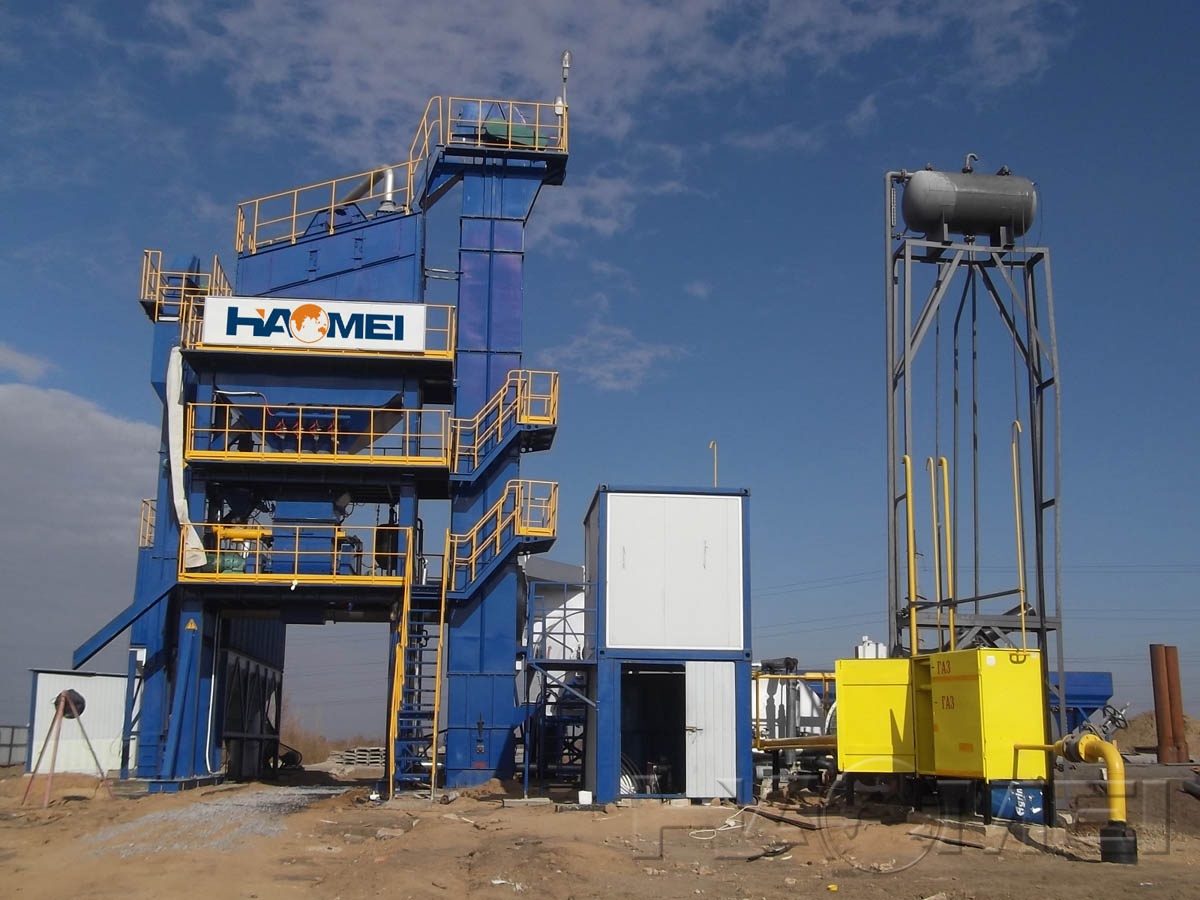
Project requirements vary by climate, aggregate type, fuel availability, emission standards, and site layout. Therefore, the LB1500 asphalt mixing plant can be configured with different systems according to actual application conditions.
| Configuration Item | Optional Direction | Applicable Considerations |
|---|---|---|
| Burner system | Fuel oil, gas, or other matched fuel types | Local fuel supply, operating cost, emission requirements |
| Dust removal system | Bag filter or combined dust collection solution | Environmental regulations, site sensitivity, dust concentration |
| Bitumen tank system | Different tank quantities and heating methods | Production schedule, binder type, insulation requirements |
| Finished product silo | Direct discharge or storage silo configuration | Truck dispatch frequency, site traffic organization |
| Control system | Standard automatic control or upgraded monitoring functions | Operator habits, data management, maintenance convenience |
| Aggregate bin quantity | Adjusted according to mixture grading needs | Raw material categories, formula flexibility |
| Reclaimed material interface | Reserved or customized according to project planning | Future recycling demand, local pavement recycling policy |
When selecting a complete Asphalt Mixing Plant, it is important to evaluate not only the nominal model but also site foundation, power supply, aggregate moisture, fuel type, environmental requirements, and material transportation distance.
Engineering Application Scenarios
The LB1500 high-quality asphalt mixing plant is suitable for projects that require stable batch production and flexible mixture adjustment. Its application value is mainly reflected in road construction tasks where material consistency and production continuity are important.
| Application Scenario | Equipment Requirement | LB1500 Suitability |
|---|---|---|
| Municipal road construction | Frequent formula adjustment and moderate production demand | Batch mixing supports recipe flexibility |
| Highway maintenance | Stable mixture output and reliable hot material supply | Modular configuration supports continuous project operation |
| Industrial park roads | Adaptability to different pavement structures | Accurate weighing and mixing improve mixture consistency |
| Asphalt commercial supply station | Multiple mixture types and organized truck loading | Finished material storage can be configured as needed |
| Rural and regional road projects | Convenient installation and balanced investment | Modular plant layout helps reduce site adaptation difficulty |
Quality Control in Manufacturing
For an asphalt mixing plant manufacturer, equipment quality is determined by more than the appearance of steel structures. Key manufacturing stages include material selection, welding control, machining precision, assembly inspection, electrical wiring, and factory testing.
Important quality control points include:
Structural strength of drying drum, towers, platforms, and support frames.
Wear resistance of mixer liners, blades, screens, and aggregate flow parts.
Sealing performance of dust collection, hot aggregate conveying, and filler systems.
Sensor calibration and weighing stability for aggregate, bitumen, and filler.
Burner matching and airflow balance for efficient drying.
Electrical protection, emergency stop devices, and operating safety logic.
These production and inspection processes help ensure that the LB1500 asphalt mixing plant can operate reliably under normal construction conditions.
Maintenance Considerations for Long-Term Operation
Regular maintenance is essential for preserving production stability and reducing unplanned downtime. For batch asphalt plants, maintenance should focus on both mechanical components and control systems.
| Maintenance Area | Routine Check | Purpose |
|---|---|---|
| Cold aggregate bins and belts | Belt alignment, roller condition, material blockage | Keep aggregate feeding stable |
| Drying drum | Drum rotation, sealing, internal lifting blades | Maintain heating efficiency and reduce material loss |
| Burner system | Ignition condition, fuel pipeline, combustion state | Improve fuel use and operating safety |
| Dust collector | Filter bags, pulse cleaning, air pressure | Maintain dust collection efficiency |
| Vibrating screen | Mesh wear, vibration condition, fastening bolts | Keep aggregate grading accurate |
| Mixer | Blade and liner wear, discharge door sealing | Ensure mixing uniformity and reduce leakage |
| Weighing system | Sensor status, calibration, signal stability | Maintain batching accuracy |
| Control cabinet | Wiring, terminals, alarms, cooling condition | Support stable automatic operation |
A planned spare parts strategy is also recommended for wearing components such as mixer liners, mixing arms, blades, screens, belts, and filter bags.
Industry Trends Affecting Asphalt Plant Selection
The asphalt production industry is moving toward higher environmental standards, more accurate process control, and improved energy management. For road construction equipment, manufacturers are paying increased attention to cleaner combustion, dust collection efficiency, intelligent control interfaces, modular installation, and compatibility with future recycling technologies.
In this context, the LB1500 high-quality asphalt mixing plant is not only a production machine but also a system platform. Its design should consider current project needs as well as possible future requirements, including formula data management, emission control upgrades, and recycled asphalt pavement application planning.
Conclusion
The LB1500 high-quality asphalt mixing plant is a practical batch-type solution for contractors and asphalt producers that require stable mixing quality, controlled production processes, and adaptable configuration. From cold aggregate feeding to finished material discharge, each system must work together to support reliable asphalt mixture production.
For project decision-makers, the recommended selection process is to compare project scale, mixture type, site conditions, environmental requirements, and maintenance capacity before confirming the final configuration. As a manufacturer, the factory provides equipment design, production, configuration matching, and technical support based on engineering application requirements.