
News
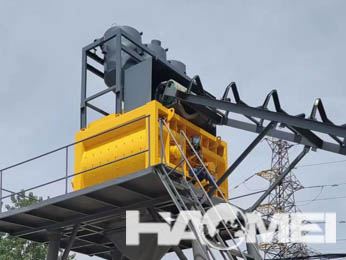
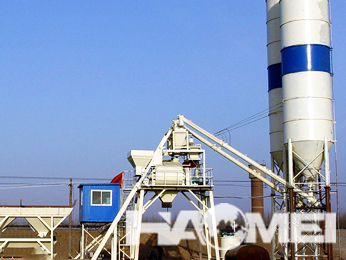
Sicoma MAO 1500/1000 Concrete Mixer Price
The Sicoma MAO 1500/1000 concrete mixer price is not determined by a single machine model name alone. For concrete batching plant projects, the final equipment cost depends on the mixer configuration, electrical standard, wear-resistant parts, discharge arrangement, control interface, delivery scope, and after-sales spare-parts requirements.
As a manufacturer of concrete mixing and batching equipment, the quotation process should focus on the operating conditions of the project rather than only the initial purchase cost. A properly configured mixer can support stable concrete production, easier maintenance planning, and compatibility with the batching plant system.
What Does MAO 1500/1000 Mean?
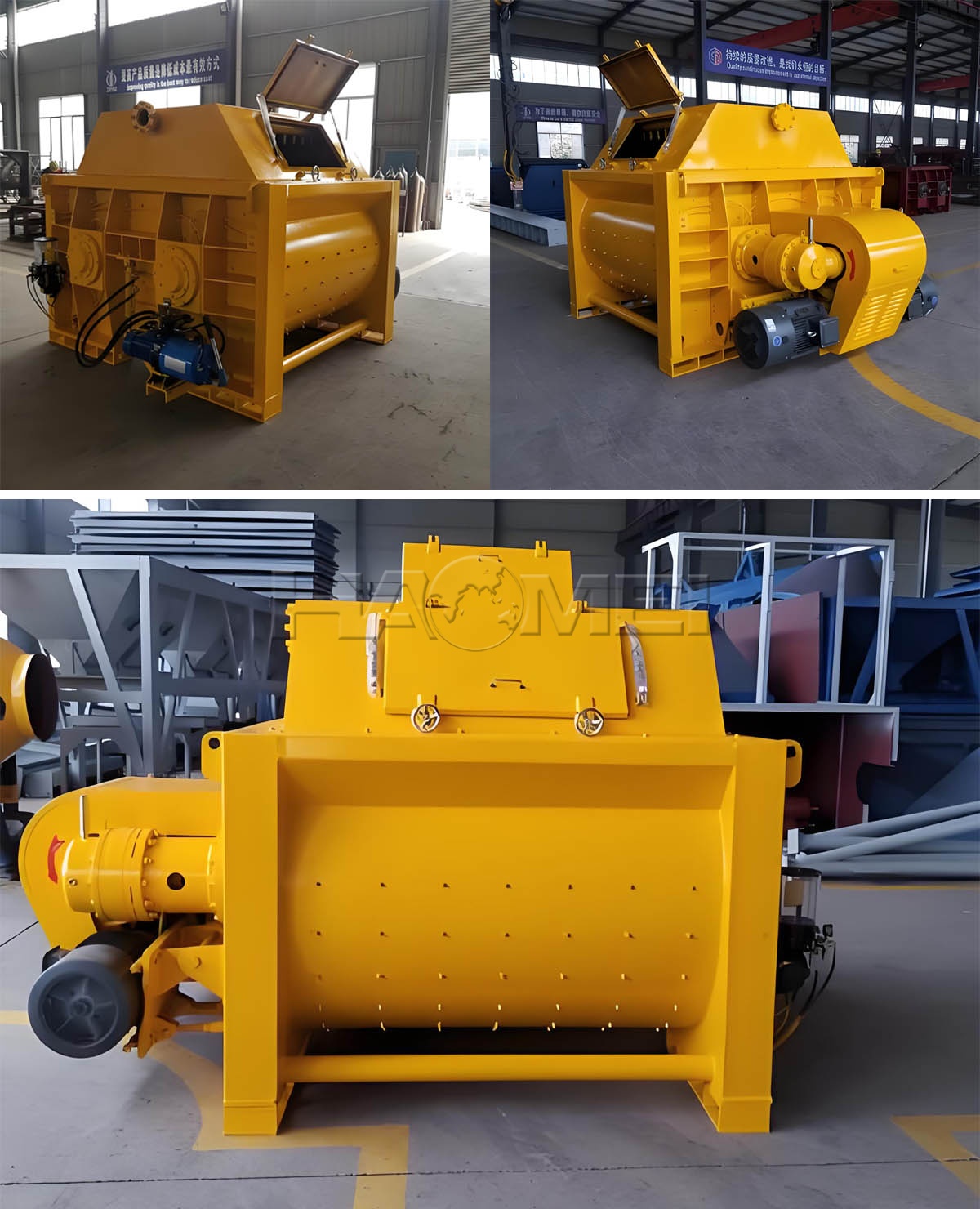
MAO 1500/1000 is commonly used to identify a twin-shaft concrete mixer with a nominal charging volume of 1,500 L and a nominal compacted concrete output of 1,000 L per batch. Actual production output is affected by concrete mix design, aggregate grading, loading efficiency, mixing time, plant scheduling, and operator management.
| Item | Description |
|---|---|
| Mixer type | Twin-shaft forced concrete mixer |
| Nominal charging volume | 1,500 L |
| Nominal concrete output | 1,000 L per batch |
| Typical application | Commercial concrete plants, precast yards, road projects, and infrastructure works |
| Main materials handled | Cement, sand, crushed stone, water, admixtures, and supplementary cementitious materials |
| Selection focus | Concrete grade, aggregate size, production schedule, and plant layout |
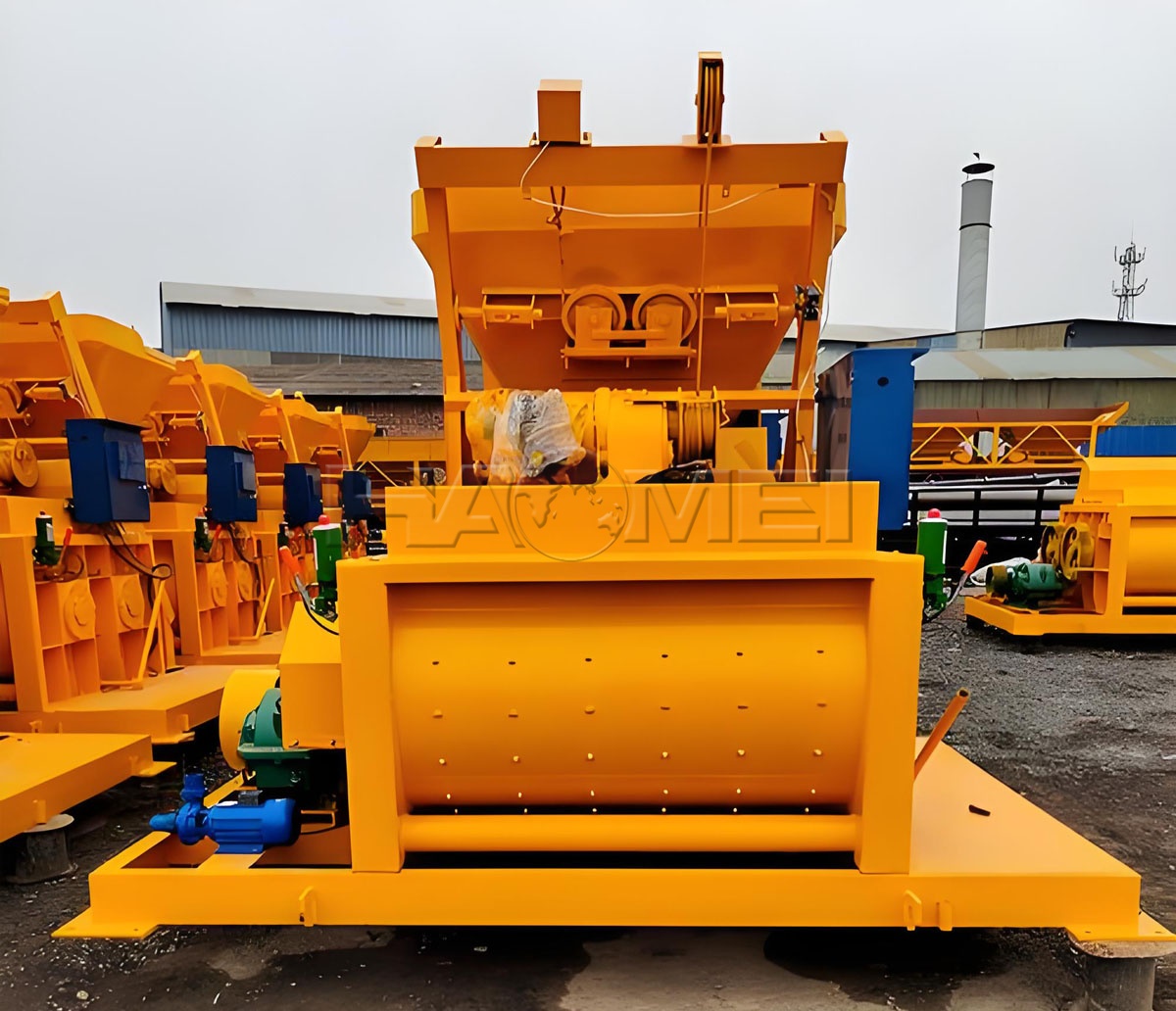
The twin-shaft mixing principle uses two horizontal shafts fitted with mixing arms and paddles. As the shafts rotate in opposite directions, aggregates and cementitious materials are continuously lifted, sheared, folded, and circulated within the mixing chamber. This action is suitable for many conventional and demanding concrete formulations when the mixing cycle and material feeding sequence are properly controlled.
Advantages of the Sicoma MAO 1500/1000 Concrete Mixer
1. High mixing efficiency: Features a twin-shaft forced mixing design that ensures rapid and uniform mixing.
2. High output: Produces approximately 1 m³ of concrete per batch, making it suitable for medium-to-large-scale concrete production projects.
3. Consistent mixing quality: Thoroughly blends cement, aggregates, water, and admixtures to meet various mix design requirements.
4. Excellent wear resistance: Key components, such as mixing blades and liners, are made from highly wear-resistant materials, ensuring a long service life.
5. Stable and reliable operation: Utilizes a proven drive system for smooth operation and a low failure rate.
6. Easy maintenance: Features a well-engineered structure that facilitates inspections, the replacement of wear parts, and routine maintenance.
7. Wide range of applications: Suitable for commercial concrete batching plants, precast component production, and various engineering construction projects.
Main Factors Affecting Sicoma MAO 1500/1000 Concrete Mixer Price
A meaningful quotation should clearly identify what is included with the machine. Basic machine pricing may differ significantly from a fully configured unit supplied with electrical equipment, monitoring devices, auxiliary accessories, and a recommended spare-parts package.
| Price Factor | Effect on Equipment Cost | Engineering Consideration |
|---|---|---|
| Drive system | Motor, gearbox, coupling, and transmission specifications affect cost | Match the power supply and duty cycle of the batching plant |
| Wear liners and paddles | Material grade and wear protection level influence initial investment | Important for abrasive aggregates and high-volume production |
| Discharge system | Manual, pneumatic, or hydraulic discharge arrangements vary by configuration | Must suit the plant layout and discharge hopper design |
| Electrical components | Different control voltages, protection classes, and brands affect pricing | Confirm local electrical standards before production |
| Shaft seal system | Seal design and lubrication arrangements influence maintenance requirements | Consider aggregate cleanliness and expected operating hours |
| Safety equipment | Covers, limit switches, emergency devices, and access protection may be specified | Should meet project and local site safety requirements |
| Spare parts package | Additional paddles, liners, seals, and tools increase the initial quotation | Can reduce downtime during planned maintenance |
| Shipping scope | Packing method, destination, and transport conditions affect delivered cost | Confirm port, inland delivery, and unloading responsibility |
For this reason, comparing quotations only by the headline Sicoma MAO 1500/1000 concrete mixer price may not provide an accurate cost comparison. The equipment scope, component specifications, warranty terms, and technical documentation should be reviewed together.
Configuration Options for Batching Plant Integration
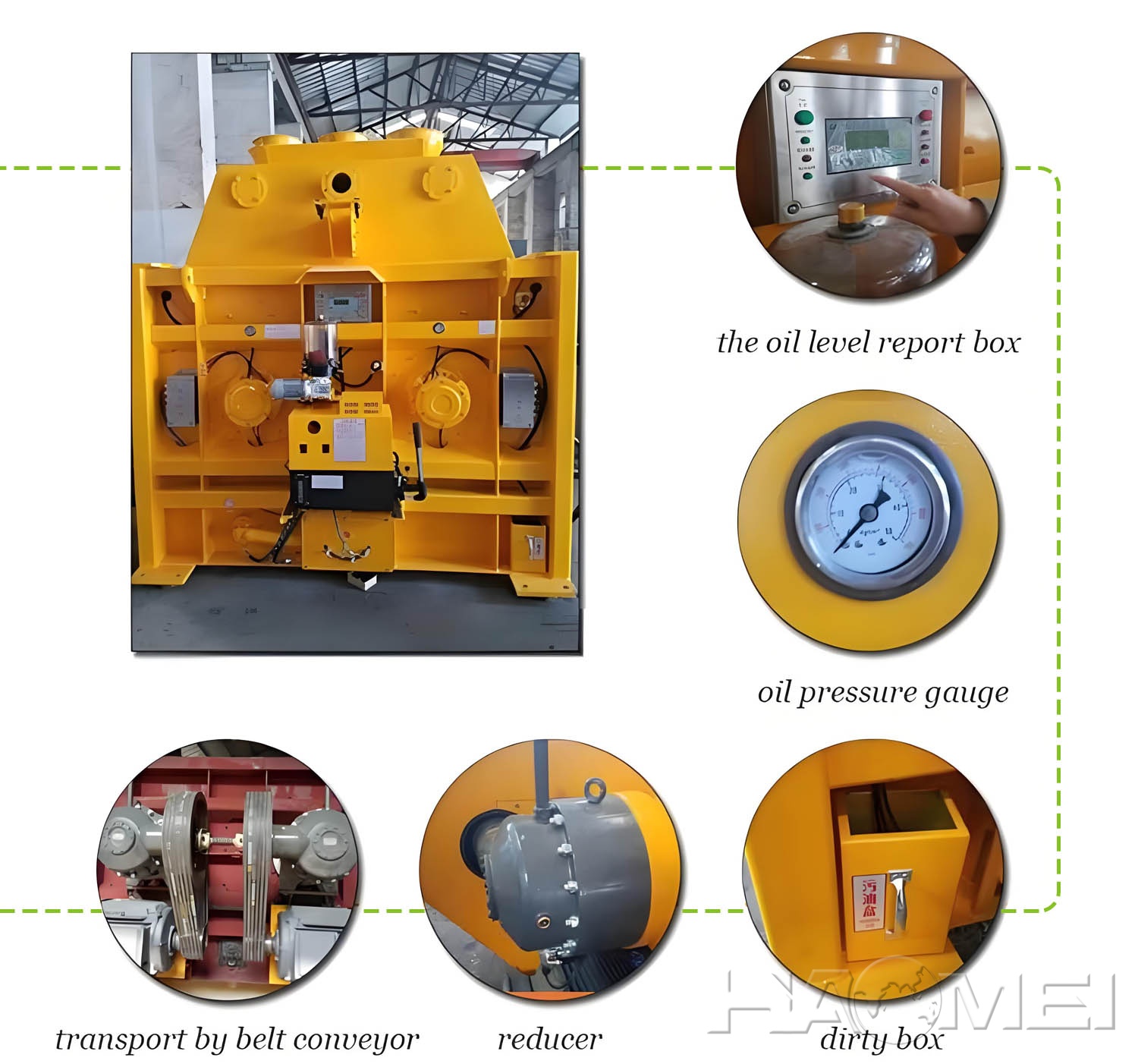
The MAO 1500/1000 mixer is generally integrated into a concrete batching plant with aggregate batching equipment, cement weighing, water and admixture dosing, a control system, and concrete discharge equipment. The mixer should be selected as part of the complete production process.
| Configuration Area | Common Options | Selection Purpose |
|---|---|---|
| Feeding method | Skip hoist, belt conveyor, or direct aggregate feed | Adapt to site layout and plant capacity requirements |
| Discharge connection | Mixer discharge hopper, transit mixer loading arrangement, or conveyor connection | Coordinate with downstream concrete transport equipment |
| Mixer covers | Standard cover, inspection hatch, dust-control connection | Support maintenance access and cleaner plant operation |
| Moisture and consistency support | Moisture monitoring or process control integration where required | Improve batching consistency when used with suitable plant controls |
| Lubrication | Manual or centralized lubrication arrangements | Match maintenance resources and operating frequency |
| Control integration | Standalone electrical interface or batching plant control integration | Ensure signal compatibility and safe interlocking |
For customers evaluating different mixer capacities, a Sicoma Concrete Mixer should be selected according to required batch output, concrete recipe range, aggregate characteristics, and planned operating hours. A mixer that is oversized or undersized for the actual plant schedule can affect both operating efficiency and investment planning.
Applications Suitable for an MAO 1500/1000 Mixer
A 1 m³-class twin-shaft mixer is often considered for projects requiring regular production of ready-mixed concrete or engineered concrete mixes. Final suitability depends on the material characteristics and production targets of the project.
| Application Scenario | Typical Requirement | Mixer Selection Consideration |
|---|---|---|
| Commercial concrete batching plants | Repeated production of multiple concrete grades | Fast recipe changeover, maintainable wear parts, and control integration |
| Precast concrete production | Consistent concrete quality for repeated elements | Mixing uniformity, recipe control, and planned cleaning procedures |
| Road and bridge projects | Reliable on-site concrete supply | Plant mobility, power conditions, and aggregate storage arrangement |
| Building construction projects | Scheduled concrete output for foundations and structures | Coordination with truck mixers, pumps, and placement schedules |
| Municipal infrastructure | Flexible production for varied concrete applications | Adaptability to local aggregates and site operating conditions |
A JS1500 Concrete Mixer may also be considered when reviewing alternative twin-shaft mixer configurations for a batching plant. The final choice should be based on technical requirements, available service resources, and compatibility with the complete plant design.
Information Needed for an Accurate Price Quotation
To prepare a practical and transparent quotation, the following project information should be confirmed before manufacturing begins.
| Required Information | Why It Matters |
|---|---|
| Project location | Determines voltage, frequency, environmental conditions, and transport planning |
| Required concrete output | Helps determine whether the mixer capacity matches the plant production target |
| Aggregate size and hardness | Influences wear-part selection and mixer configuration |
| Concrete types to be produced | Helps define mixing process and optional equipment needs |
| Plant feeding method | Ensures compatibility with skip, belt, or direct feeding systems |
| Electrical standard | Defines motor voltage, control cabinet design, and protection requirements |
| Requested spare parts | Allows the quotation to include recommended maintenance items |
| Delivery terms | Clarifies packing, shipping, and destination responsibilities |
Maintenance Considerations Beyond Initial Price
The purchase decision should also consider operating and maintenance costs. Twin-shaft mixers operate in an abrasive environment, particularly when local aggregates have high hardness or poor cleanliness. Regular inspection of liners, paddles, mixing arms, shaft seals, lubrication points, and discharge components is essential.
| Maintenance Area | Recommended Management Focus |
|---|---|
| Mixing paddles and arms | Inspect wear condition and replace components before mixing performance is affected |
| Liners | Monitor thickness and fastening condition during scheduled maintenance |
| Shaft seals | Check lubrication status and prevent material buildup around seal areas |
| Gearboxes and motors | Follow the supplier's lubrication and inspection instructions |
| Discharge gate | Verify opening and closing movement, limit devices, and sealing condition |
| Mixer cleaning | Remove residual concrete according to safe shutdown procedures |
A lower initial price does not always represent the lower total cost of ownership. Availability of wear parts, clear maintenance access, correct installation, and appropriate operator training all contribute to the long-term serviceability of the concrete mixer.
Conclusion
The Sicoma MAO 1500/1000 concrete mixer price should be evaluated according to the complete technical scope of supply. Key considerations include the drive and discharge configuration, wear-resistant parts, electrical specifications, batching plant integration, spare-parts planning, and delivery requirements.
For a reliable quotation, project owners should provide their planned concrete output, aggregate conditions, plant layout, local electrical standard, and required accessories. This approach helps ensure that the selected twin-shaft concrete mixer is configured for the actual engineering application rather than priced only as a standard standalone machine.