
News
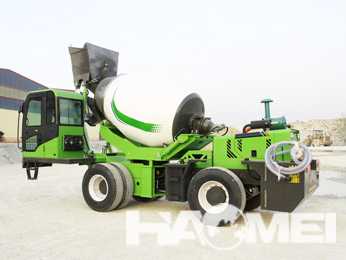
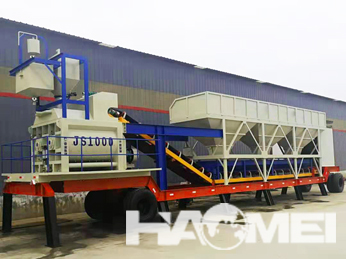
Asphalt Mixing Plant Types: Batch Type / Drum Type
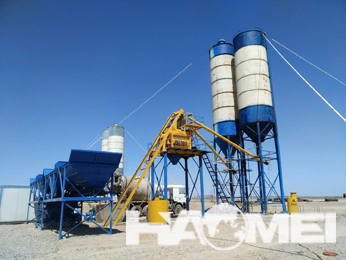
Asphalt mixing plants are core equipment for producing hot mix asphalt used in highways, municipal roads, airport runways, industrial yards, and maintenance projects. From a manufacturing and engineering configuration perspective, asphalt mixing plant types are commonly divided into two main categories: batch type asphalt mixing plants and drum type asphalt mixing plants.
Both plant types heat aggregates, meter asphalt binder, add filler or recycled material when required, and discharge finished asphalt mixture. However, their mixing principles, process continuity, configuration flexibility, and application scenarios are different. Understanding these differences helps contractors and project owners select equipment that matches production requirements, mix design complexity, site conditions, and long-term operation plans.
1. What Is a Batch Type Asphalt Mixing Plant?
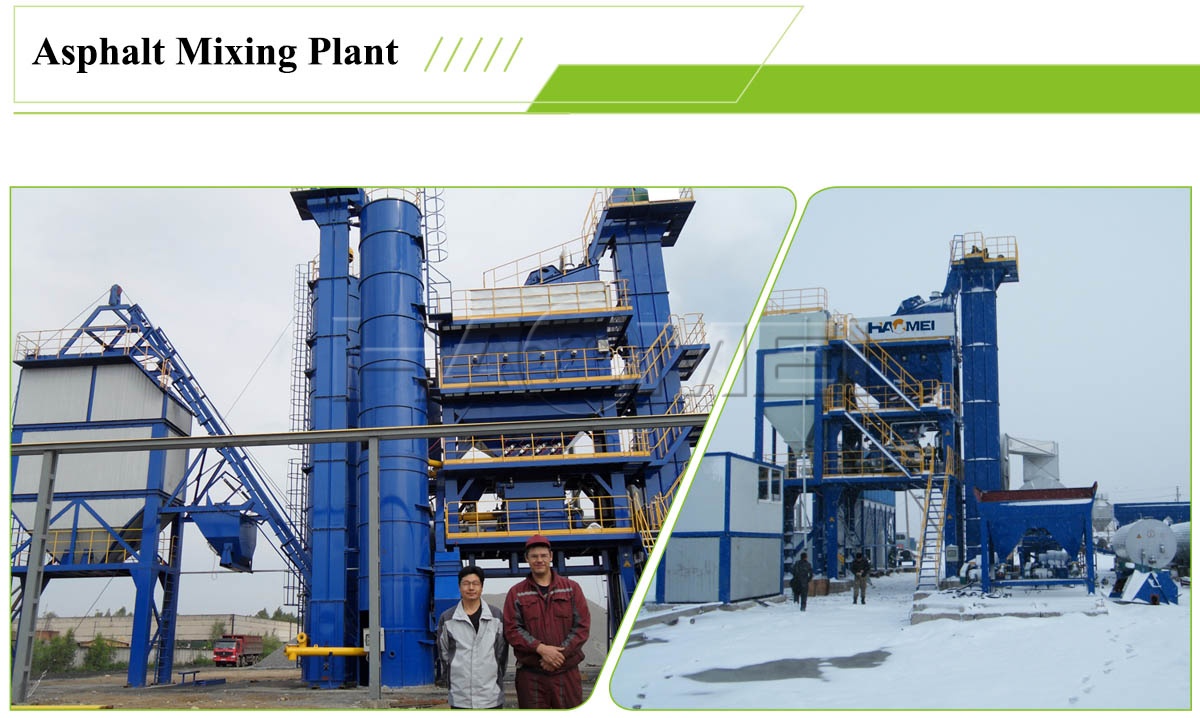
A batch type asphalt mixing plant, also called an asphalt batch plant, produces asphalt mixture in separate batches. Aggregates are dried and heated first, then screened into different sizes, stored in hot aggregate bins, weighed according to the mix formula, and finally mixed with asphalt binder and mineral powder in a compulsory mixer.
This process allows each batch to be accurately measured and adjusted. For projects requiring multiple asphalt formulas, strict gradation control, or frequent mix changes, the batch type structure provides strong adaptability.
Manufacturers usually configure a batch asphalt mixing plant with the following main systems:
| System | Main Function | Engineering Notes |
|---|---|---|
| Cold aggregate feeding system | Stores and feeds aggregates of different sizes | Frequency control is commonly used for stable feeding |
| Drying drum and burner | Removes moisture and heats aggregates | Burner selection should match fuel type and local emission requirements |
| Hot aggregate elevator | Transfers heated aggregates to the screening system | Wear resistance and sealing are important for continuous operation |
| Vibrating screen | Separates hot aggregates into required sizes | Screen mesh configuration depends on project gradation |
| Hot aggregate bins | Temporarily stores screened hot aggregates | Bin volume affects batching continuity |
| Weighing system | Weighs aggregate, asphalt, and filler | Accuracy is important for mix quality control |
| Mixer | Performs forced mixing of materials | Mixing blade design affects mixing uniformity and wear life |
| Dust collection system | Collects dust from drying and screening | Baghouse dust collectors are widely used in modern plants |
| Control system | Coordinates production and formula management | PLC control is common for automatic operation |
For example, the LB1000 Asphalt Mixing Plant represents a typical batch plant configuration suitable for projects that require stable batching, formula management, and controlled production quality.
2. What Is a Drum Type Asphalt Mixing Plant?
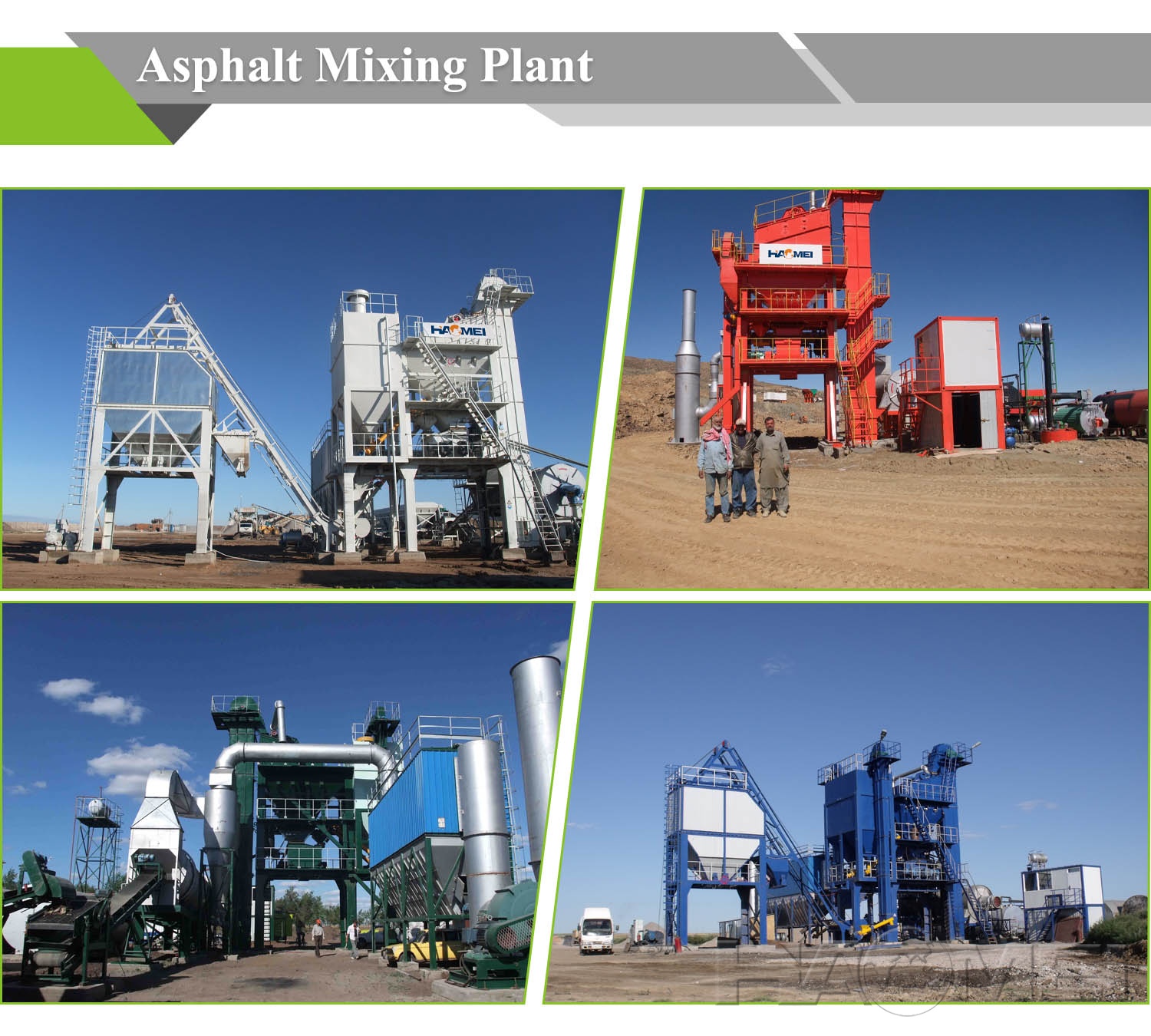
A drum type asphalt mixing plant, also known as an asphalt drum mix plant, produces asphalt mixture through a continuous process. Aggregates are fed into a rotating drum, where drying, heating, asphalt spraying, and mixing are completed in one continuous flow.
Compared with the batch type process, the drum type process has a simpler structure and fewer intermediate handling steps. It is often selected for road construction projects with relatively stable mix designs, continuous production demand, and practical requirements for quick installation and operation.
Typical drum asphalt mixing plant systems include:
| System | Main Function | Engineering Notes |
|---|---|---|
| Cold aggregate bins | Stores and meters aggregates | Stable feeding is essential because production is continuous |
| Belt conveyor | Transfers aggregates to the drum | Belt scale or flow monitoring may be configured |
| Drying and mixing drum | Completes drying, heating, and mixing | Drum structure determines heat exchange and mixing performance |
| Burner system | Provides heat energy | Fuel compatibility should be confirmed before selection |
| Asphalt supply system | Heats, stores, and sprays asphalt binder | Temperature control affects binder flow and coating quality |
| Filler supply system | Adds mineral powder when required | Configuration depends on project formula |
| Dust collector | Controls dust emissions | Cyclone plus baghouse arrangements are commonly considered |
| Control cabinet | Manages feeding, temperature, and discharge | Simple operation is one advantage of drum plants |
The DHB40 Drum Asphalt Mixing plant is an example of a continuous asphalt mixing plant designed for applications where streamlined production and compact configuration are required.
3. Batch Type vs Drum Type: Key Differences
The main distinction between batch type and drum type asphalt mixing plants lies in the production process. Batch plants measure and mix materials batch by batch, while drum plants continuously feed, heat, and mix materials.
| Comparison Item | Batch Type Asphalt Mixing Plant | Drum Type Asphalt Mixing Plant |
|---|---|---|
| Production mode | Intermittent batching | Continuous mixing |
| Mixing method | Compulsory mixer after separate weighing | Mixing inside the rotating drum |
| Formula flexibility | Suitable for frequent formula changes | Better for stable and repeated formulas |
| Gradation control | Uses hot screening and hot aggregate bins | Depends mainly on cold aggregate feeding accuracy |
| Plant structure | More systems and higher configuration complexity | Relatively simple and compact structure |
| Operation management | Requires more process coordination | Easier continuous operation process |
| Suitable projects | High-grade roads, municipal works, varied asphalt mixes | Rural roads, maintenance works, continuous paving projects |
| Quality control focus | Weighing accuracy, screening, mixing uniformity | Feeding stability, drum temperature, asphalt spraying accuracy |
4. Working Principles of the Two Asphalt Mixing Plant Types
Batch Type Working Principle
In a batch type hot mix asphalt plant, cold aggregates are proportioned by cold feed bins and sent to the drying drum. After drying and heating, the aggregates are lifted to the vibrating screen and separated into different particle sizes. The screened aggregates enter hot bins, where each size is stored separately.
During production, the control system weighs aggregates, asphalt binder, and filler according to the selected formula. These materials enter the mixer and are mixed for a set period. After mixing is complete, the finished asphalt mixture is discharged into a truck or storage silo.
This staged process supports formula traceability and adjustment. It is suitable for projects where asphalt mixture requirements may change from base course to surface course, or where different aggregate gradations are specified.
Drum Type Working Principle
In a drum type asphalt mixing plant, cold aggregates are continuously metered and conveyed into the drying and mixing drum. As the drum rotates, aggregates move through the drying zone, heating zone, and mixing zone. Asphalt binder is sprayed into the drum at a controlled point, and mineral filler can be added according to the process design.
The finished mixture is discharged continuously. Because the production process is continuous, stable aggregate feeding and temperature control are especially important. When the mix formula remains consistent for long production periods, the drum type plant can provide a practical and efficient production method.
5. How to Select Between Batch Type and Drum Type
Equipment selection should be based on project requirements rather than a single parameter. The following table summarizes common selection factors used during plant configuration discussions.
| Selection Factor | Recommended Consideration |
|---|---|
| Mix design variety | Choose batch type when multiple asphalt formulas are used frequently |
| Production continuity | Choose drum type when long, continuous production with stable formula is required |
| Quality control requirements | Batch type is preferred when separate hot aggregate screening and batch weighing are required |
| Site space and installation | Drum type may be considered when compact structure is important |
| Maintenance conditions | Batch type has more modules; drum type has a simpler process route |
| Environmental requirements | Both types can be equipped with dust collection and emission control systems |
| Future project scope | Batch type offers more flexibility for varied road grades and mix specifications |
6. Configuration Options Commonly Considered by Manufacturers
Asphalt plant configuration is not limited to the choice of batch type or drum type. Project location, raw material characteristics, fuel availability, transportation conditions, and environmental standards all affect the final equipment design.
Common configuration options include:
| Configuration Item | Available Options | Selection Purpose |
|---|---|---|
| Burner | Diesel, heavy oil, natural gas, coal gas, or other applicable fuels | Matches local fuel supply and emission policies |
| Dust collection | Cyclone, baghouse, or combined system | Controls dust and supports cleaner production |
| Asphalt tank | Direct heating, thermal oil heating, horizontal or vertical type | Maintains binder temperature and flowability |
| Control system | Manual-assisted, semi-automatic, or PLC automatic control | Supports production monitoring and formula management |
| Finished material storage | Direct discharge or storage silo | Adapts to truck scheduling and paving rhythm |
| Filler system | Manual feeding, silo storage, screw conveying | Meets mineral powder addition requirements |
| RAP system | Optional reclaimed asphalt pavement addition system | Supports asphalt recycling when project specifications allow |
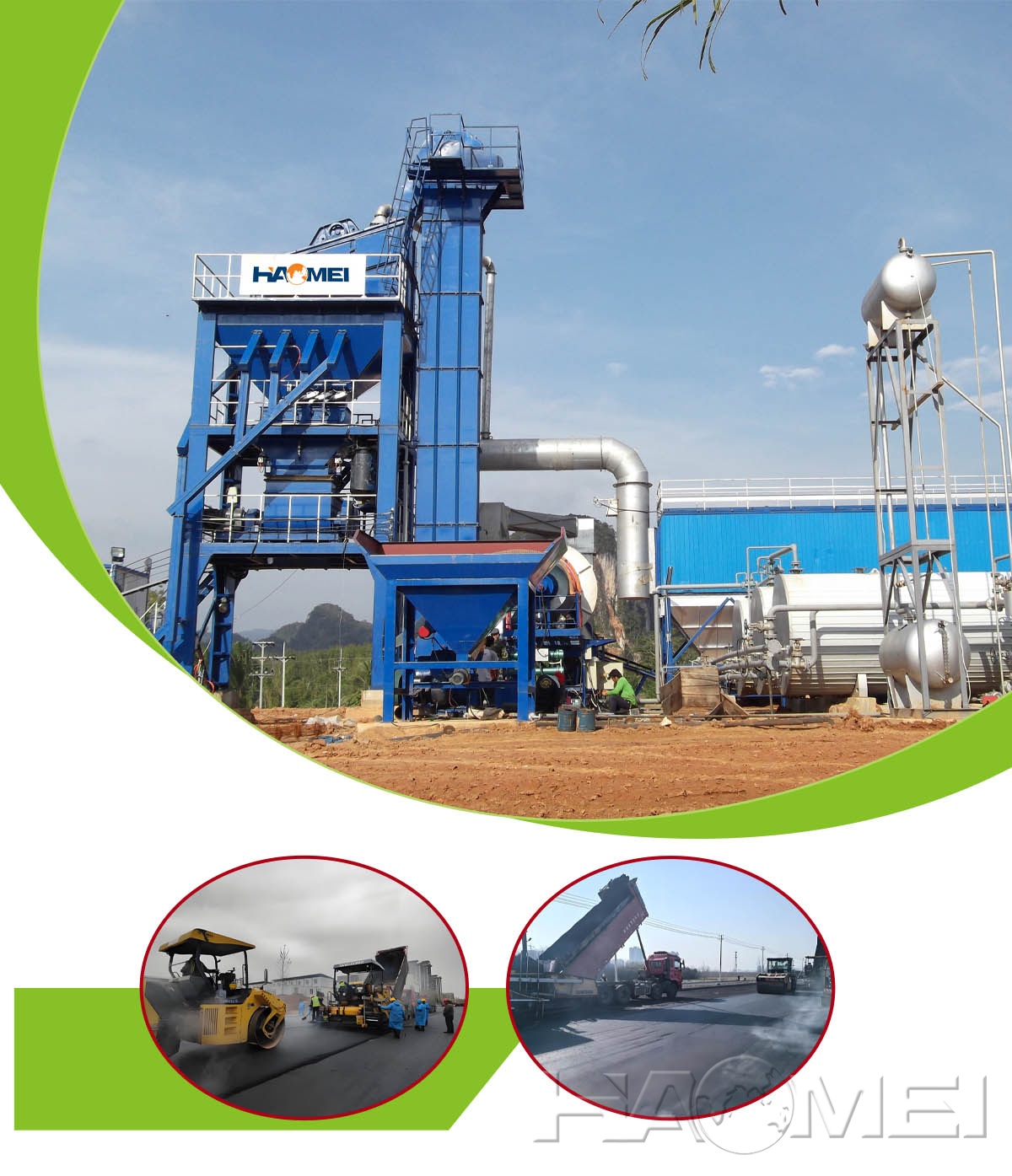
7. Application Scenarios
Different asphalt mixing plant types are commonly used in different engineering environments.
| Application Scenario | Suitable Plant Type | Reason |
|---|---|---|
| Expressway and highway construction | Batch type | Requires precise gradation and quality management |
| Urban road reconstruction | Batch type | Often involves different mix designs and intermittent supply |
| Rural road construction | Drum type | Stable formula and continuous paving are common |
| Road maintenance projects | Drum type or small batch type | Selection depends on production volume and mix changes |
| Airport and port pavement | Batch type | Often requires strict material control and consistent mixture quality |
| Remote project sites | Drum type | Compact layout and simplified operation can be advantageous |
8. Industry Trends in Asphalt Mixing Plant Design
The asphalt mixing plant industry is moving toward more controlled, energy-conscious, and digitally managed equipment. Manufacturers are paying greater attention to:
Cleaner production: Improved dust collection, better sealing, and optimized burner combustion are becoming standard design considerations.
Automation: PLC control, formula storage, fault alarms, and temperature monitoring help operators manage production more consistently.
Modular structure: Containerized or modular components can simplify transportation, installation, and relocation.
Recycling capability: RAP feeding systems are increasingly considered where reclaimed asphalt pavement is available and permitted by project standards.
Maintenance accessibility: Wear parts, inspection platforms, and service space are being designed for safer and more convenient maintenance.
9. Conclusion
Batch type and drum type asphalt mixing plants both play important roles in road construction. A batch asphalt mixing plant is suitable for projects requiring flexible formulas, accurate batching, and strict quality control. A drum asphalt mixing plant is suitable for continuous production with relatively stable mix designs and simplified process requirements.
For equipment selection, project owners should evaluate asphalt mixture specifications, production rhythm, site layout, environmental requirements, fuel conditions, and future project plans. From a manufacturing standpoint, the most suitable asphalt mixing plant is not simply the largest or most complex model, but the configuration that matches engineering needs, supports stable operation, and provides maintainable long-term performance.