News

HZS120 Belt-Type Concrete Batching Plant Equipped with JS2000 Twin-Shaft Concrete Mixer
The HZS120 belt-type concrete batching plant equipped with a JS2000 twin-shaft concrete mixer is designed for stationary concrete production projects that require continuous aggregate supply, stable batching procedures, and reliable mixing performance. It is commonly considered for commercial concrete supply, infrastructure works, precast yards, road construction, and medium-to-large construction sites.
As a manufacturer of concrete batching equipment, the factory designs this configuration around the coordinated operation of aggregate storage, batching, belt conveying, weighing, mixing, discharge, and control systems. Equipment selection should be based on actual project requirements, including concrete grades, aggregate conditions, daily production schedules, installation space, and local environmental requirements.
Equipment Overview
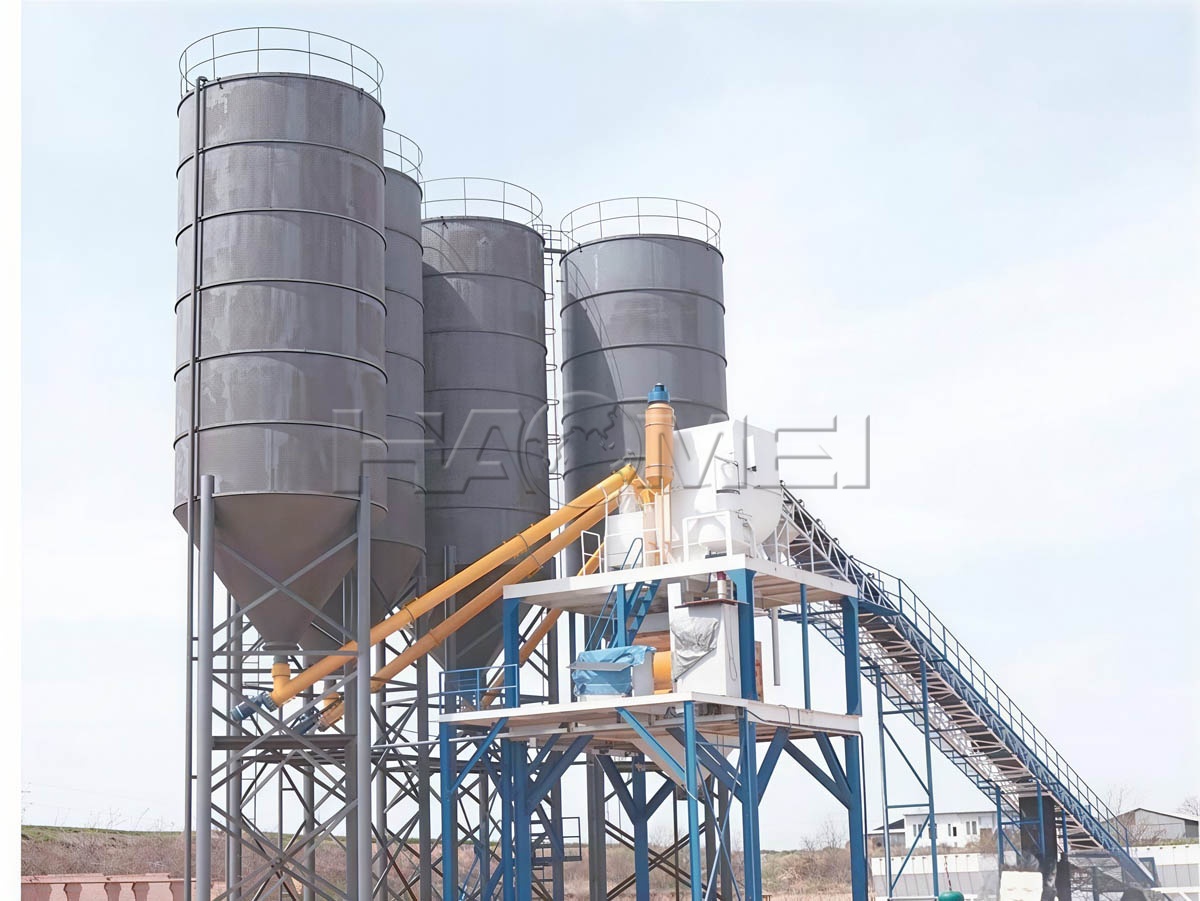
An HZS120 plant is generally configured as a stationary concrete batching system with a belt conveyor for aggregate feeding and a JS2000 twin-shaft mixer as the central mixing unit. Compared with skip-hoist feeding arrangements, the belt-type layout supports continuous aggregate transfer over a longer distance and can be adapted to different site layouts through conveyor angle, length, and stockpile arrangement.
The JS2000 twin-shaft concrete mixer uses two horizontal mixing shafts fitted with mixing arms and blades. During operation, the shafts rotate in opposite directions, creating intersecting material flow paths within the mixing chamber. This mixing principle helps distribute cement, water, admixtures, sand, and coarse aggregates throughout the concrete mixture.
| Item | Typical Configuration or Function |
|---|---|
| Plant model | HZS120 belt-type concrete batching plant |
| Main mixer | JS2000 twin-shaft concrete mixer |
| Aggregate feeding method | Belt conveyor |
| Plant type | Stationary concrete batching equipment |
| Main production process | Aggregate batching, weighing, conveying, mixing, and discharge |
| Suitable concrete types | Ready-mixed concrete, structural concrete, pavement concrete, and precast concrete mixes |
| Control mode | PLC-based automatic control system, subject to project configuration |
Product Advantages of the HZS120 Belt-Conveyor Concrete Batching Plant
1. High Production Efficiency: With a theoretical capacity of 120 m³/h, it is well-suited for large-scale construction projects, road infrastructure, and the production of commercial concrete.
2. Superior Mixing Quality: Equipped with a JS2000 twin-shaft compulsory concrete mixer, it ensures uniform mixing and high efficiency, accommodating a wide range of concrete mix designs.
3. Stable Belt Conveying: The use of a belt conveyor for aggregates ensures continuous, efficient material transport, which helps boost the overall production capacity of the plant.
4. High Weighing Precision: Independent weighing systems for aggregates, cement, water, and admixtures ensure the consistency and stability of concrete mix proportions.
5. High Level of Automation: A centralized control system allows for convenient operation and enables automated control over the entire process—from batching and mixing to discharging.
6. Reliable Operation and Easy Maintenance: The plant features a well-organized layout designed for continuous production, while also facilitating routine equipment inspection, maintenance, and management.
Main System Structure and Working Principle
The HZS120 belt-type concrete batching plant consists of several interconnected systems. Each system affects batching accuracy, production continuity, maintenance access, and the consistency of the finished concrete.
| System | Primary Function | Configuration Considerations |
|---|---|---|
| Aggregate storage system | Stores sand and coarse aggregates by size | Bin quantity and capacity should match aggregate grades and production planning |
| Aggregate batching machine | Measures aggregates according to the mix design | Independent weighing or cumulative weighing can be selected according to requirements |
| Belt conveyor system | Transfers weighed aggregates to the mixer | Conveyor layout should suit site elevation, aggregate yard location, and maintenance access |
| Powder weighing system | Measures cement, fly ash, mineral powder, or other powders | Silo quantity, screw conveyor layout, and filter equipment should be selected for the material plan |
| Water and admixture system | Doses water and liquid admixtures | Metering method should suit mix-design control and local water conditions |
| JS2000 twin-shaft mixer | Mixes all measured materials into concrete | Liner materials, blade arrangement, discharge door configuration, and lubrication system should be checked |
| Control system | Coordinates batching, mixing, storage, and reporting | Recipe management, production records, alarms, and remote support functions may be configured |
Aggregate Batching and Belt Conveying
Aggregate is discharged from storage bins into the aggregate batching machine. After weighing, the aggregate enters the belt conveyor and is transported to the mixer feed point. The belt conveyor provides a steady aggregate transfer route and can be arranged to suit plants with centralized stockpiles or elevated batching layouts.
For projects using multiple aggregate sizes, the number of bins and weighing arrangement should be selected according to the concrete mix design. Proper aggregate separation, controlled moisture management, and regular belt inspection are important for maintaining stable batching conditions.
JS2000 Twin-Shaft Mixing Process
After aggregates enter the mixer, measured cementitious materials, water, and admixtures are introduced according to the selected batching sequence. The JS2000 concrete mixer uses twin horizontal shafts to move materials in multiple directions. The mixing blades continuously lift, shear, disperse, and fold the materials until the required mixing cycle is completed.
Mixer performance is influenced not only by the mixer itself, but also by aggregate grading, moisture variation, concrete slump, mixing time, material feeding sequence, and the wear condition of blades and liners. For this reason, routine inspection of the mixing chamber is an essential part of plant operation.
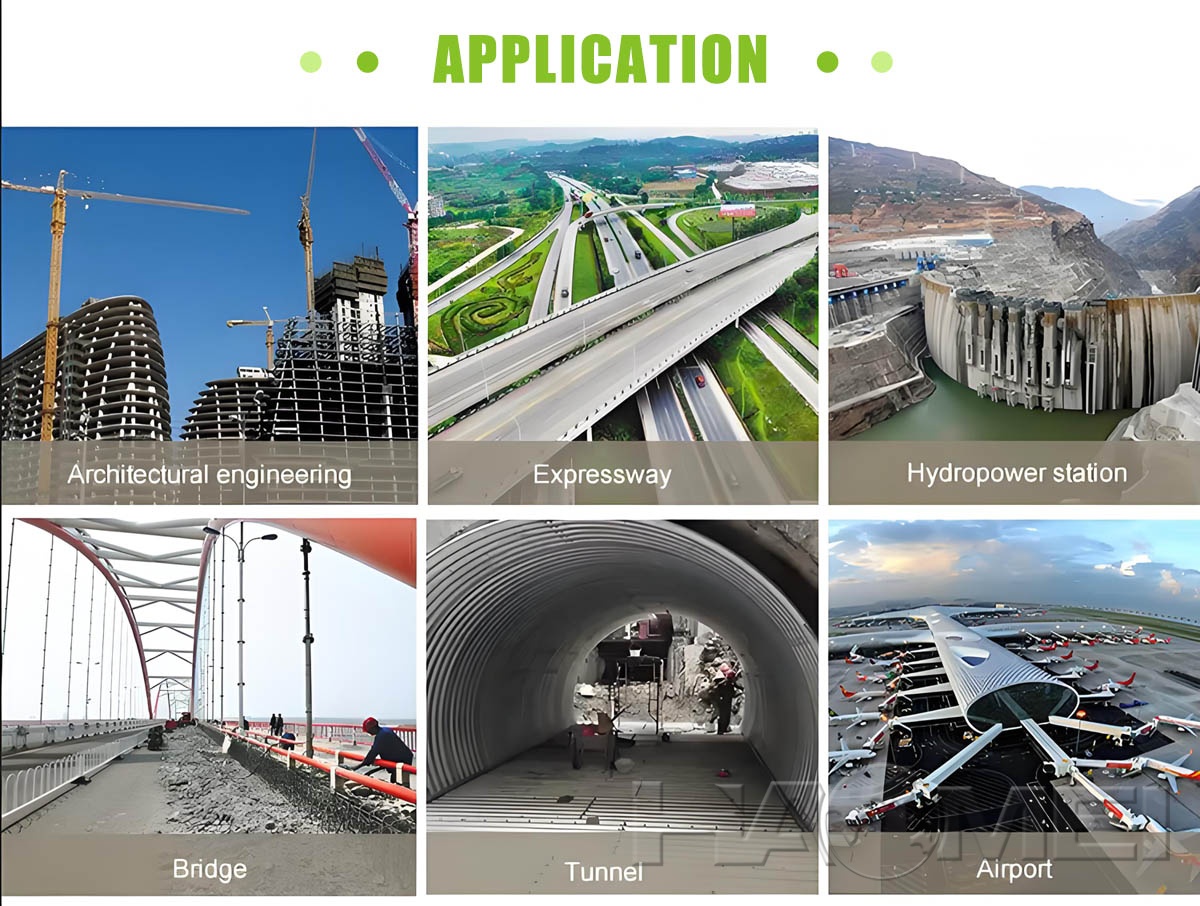
Engineering Applications
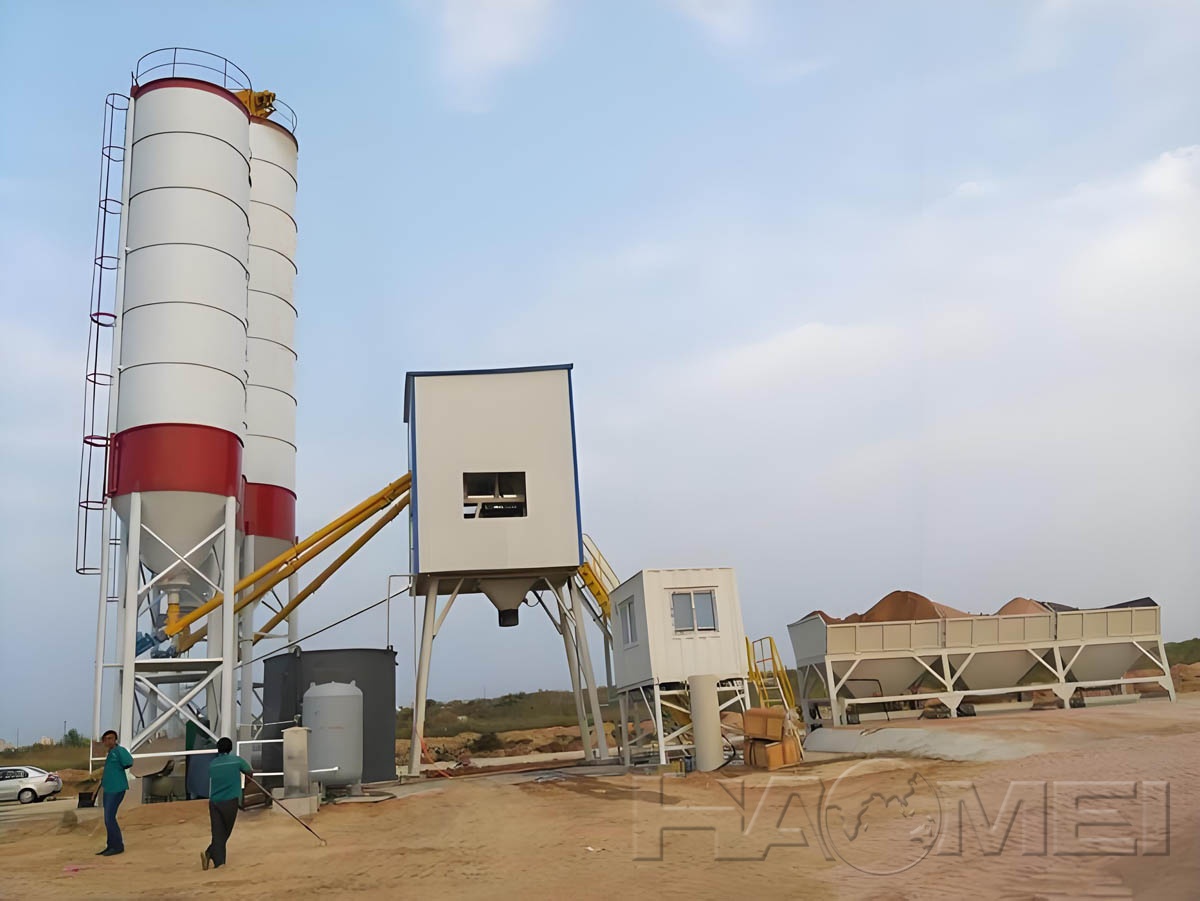
The HZS120 belt-type concrete batching plant with JS2000 mixer can be applied where fixed-site concrete production is needed over a sustained construction period. The final configuration should be determined after reviewing the project schedule, concrete volume, delivery radius, material supply conditions, and environmental controls.
| Application Scenario | Equipment Requirement | Relevant Configuration Focus |
|---|---|---|
| Commercial concrete supply | Stable, repeatable production for multiple concrete grades | Multiple aggregate bins, powder silos, admixture dosing, production management software |
| Highway and bridge projects | Consistent structural concrete supply near the project area | Reliable aggregate handling, moisture control, laboratory coordination, dust collection |
| Hydropower and water conservancy works | Adaptability to different aggregate sources and concrete formulations | Aggregate washing coordination, larger storage planning, reinforced wear protection |
| Precast concrete yards | Repeatable mix quality for standardized components | Recipe management, precise dosing, mixer cleaning access, controlled material handling |
| Industrial and building projects | On-site supply for foundations, structures, and pavements | Compact site arrangement, truck access routes, and concrete dispatch coordination |
For projects requiring a plant within this capacity class, the HZS120 Stationary Concrete Batching Plant provides a relevant reference for evaluating layout options and system configurations.
Configuration Selection Considerations
A batching plant should not be selected only by its model designation. The engineering value of an HZS120 belt-type plant depends on whether its systems are matched to the actual materials, process requirements, and operating environment.
Aggregate Storage and Feeding Layout
Aggregate bins should be selected according to the number of aggregate categories used in the concrete formula. Sites with separate sand grades, multiple stone sizes, or recycled aggregate requirements may need additional bin capacity or a tailored feeding arrangement. The aggregate yard should also provide sufficient access for loaders and material replenishment.
Powder Storage and Conveying
Cement, fly ash, slag powder, and other mineral materials are generally stored in silos and conveyed by screw conveyors. Silo quantity and volume should be determined according to material consumption, supply frequency, and site storage limitations. Dust filtration and pressure relief devices should be incorporated into the powder storage system.
Control and Data Management
Modern batching plant control systems can support automatic batching, formula storage, production records, alarm monitoring, and material consumption reporting. However, control accuracy also depends on calibration procedures, sensor condition, operator training, and regular verification of weighing equipment.
The broader Stationary Concrete Batching Plant range can be evaluated when a project requires comparison across different plant scales, aggregate feeding methods, or site layouts.
Maintenance Priorities for Long-Term Operation
Planned maintenance supports plant availability and helps reduce unexpected interruptions. Maintenance procedures should follow the equipment manual, site safety rules, and the operating conditions of the project.
| Maintenance Area | Inspection Focus | Recommended Practice |
|---|---|---|
| Mixer blades and liners | Wear, clearance, loose fasteners, material buildup | Inspect regularly and replace worn parts before mixing quality is affected |
| Mixing shafts and seals | Lubrication condition, seal wear, abnormal noise | Follow the specified lubrication schedule and check for leakage |
| Belt conveyor | Belt tracking, rollers, tension, scraper condition | Remove adhered material and adjust tracking when needed |
| Weighing system | Sensor response, scale accuracy, mechanical interference | Conduct calibration checks according to the site quality plan |
| Pneumatic system | Air pressure, valves, cylinders, moisture in air lines | Drain air treatment units and inspect actuator movement |
| Electrical control cabinet | Wiring terminals, cooling, cleanliness, alarm records | Keep the cabinet dry, clean, and protected from unauthorized access |
Industry Direction: Efficiency, Traceability, and Environmental Control
Concrete batching plant development is increasingly focused on practical operating improvements rather than simple capacity expansion. Current project requirements often include material traceability, consistent batching control, dust reduction, wastewater management, and easier maintenance access.
For HZS120 belt-type concrete batching plants, common development priorities include enclosed aggregate transfer points, dust collection at powder handling locations, optimized control interfaces, condition monitoring, and modular layouts that simplify transport and installation. The suitability of these options should be evaluated according to local regulations, project budget, and expected plant operating duration.
Conclusion
The HZS120 belt-type concrete batching plant equipped with a JS2000 twin-shaft concrete mixer is a stationary concrete production solution built around belt-fed aggregate handling and intensive twin-shaft mixing. Its effectiveness in an engineering project depends on appropriate system matching, disciplined operation, regular calibration, and timely maintenance.
Before installation, project owners and contractors should review concrete mix requirements, aggregate supply conditions, foundation design, power availability, transport routes, environmental measures, and after-sales service arrangements. A properly configured plant can provide a stable production platform for long-term concrete supply projects.