
News
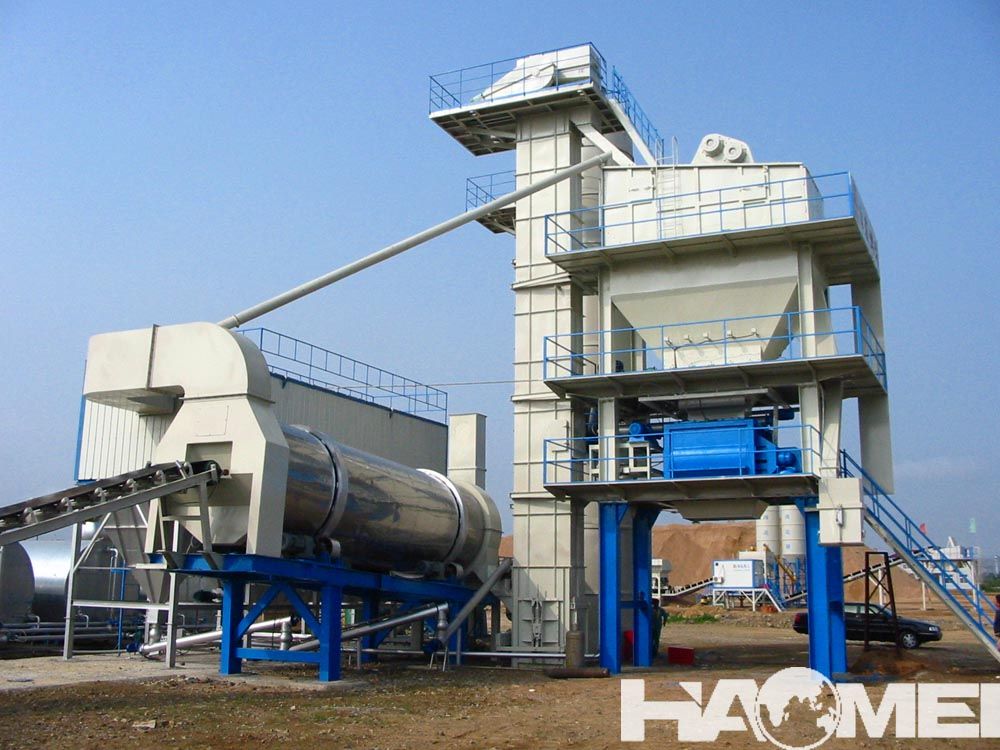

LB2000 160 T/H Asphalt Mixing Plant for Sale
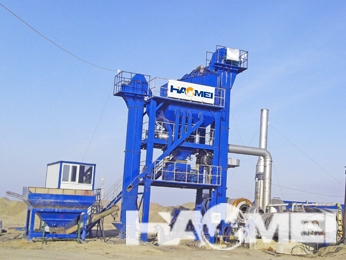
The LB2000 160 t/h asphalt mixing plant is a batch-type hot mix asphalt production system designed for medium and large road construction projects. From the perspective of equipment manufacturing, this model is often selected for projects that require stable asphalt mixture quality, flexible formula adjustment, and continuous production organization.
As a factory-built solution, the LB2000 model focuses on coordinated operation among aggregate feeding, drying, screening, weighing, mixing, dust collection, and finished material storage. It is suitable for contractors, road maintenance companies, municipal engineering projects, and infrastructure construction teams looking for an LB2000 Asphalt Mixing Plant with a nominal production capacity of 160 t/h.
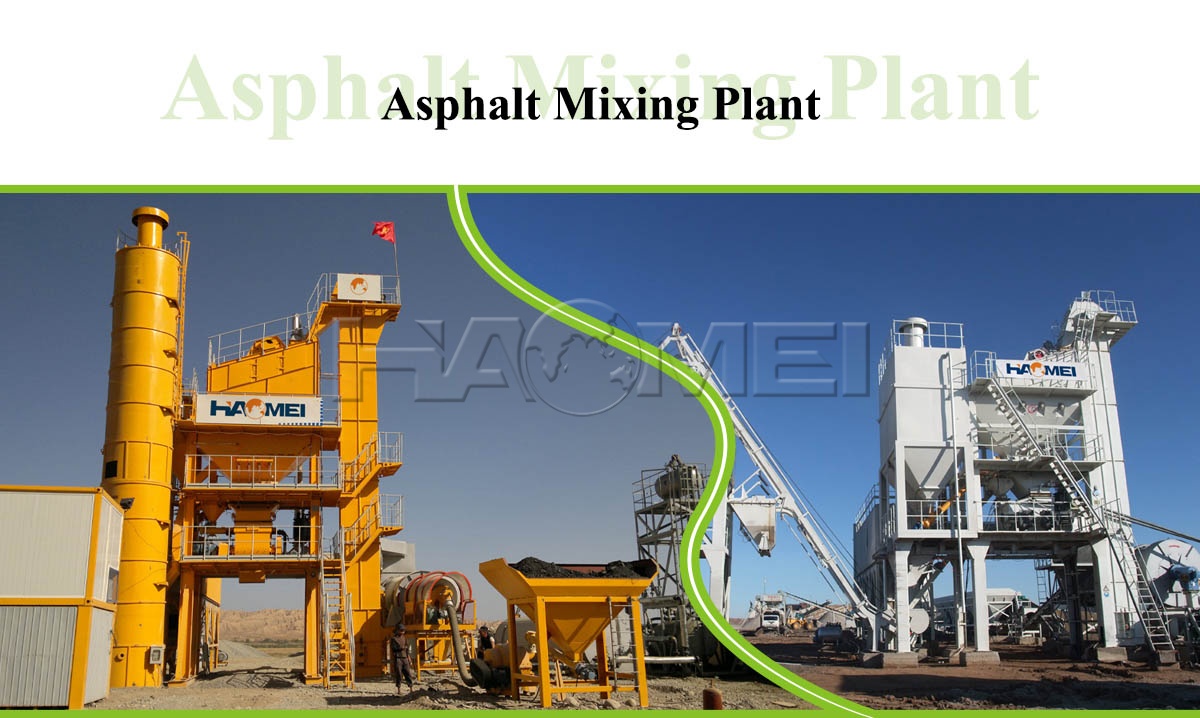
Market Demand for a 160 t/h Asphalt Mixing Plant
Road construction projects increasingly require asphalt plants that can balance production capacity, mixture accuracy, environmental control, and site adaptability. A 160 t/h asphalt batch plant is commonly considered when project scale is larger than small municipal repair work but does not require the highest-capacity stationary plant.
Typical demand comes from the following engineering scenarios:
| Application Scenario | Main Production Requirement | Why LB2000 Capacity Is Suitable |
|---|---|---|
| Municipal road construction | Stable supply for daily paving work | Supports continuous production for urban road sections |
| Highway maintenance | Multiple asphalt formulas for surface and base layers | Batch mixing allows recipe adjustment according to project needs |
| Industrial park roads | Medium-volume asphalt supply | Suitable for phased construction schedules |
| Airport and port auxiliary roads | Consistent aggregate grading and mixing uniformity | Screening, weighing, and forced mixing improve mixture control |
| Commercial asphalt supply | Flexible production for different customers | Multiple storage and batching options can be configured |
The actual output of any asphalt mixing plant depends on aggregate moisture, fuel type, asphalt mixture design, finished material temperature, operating conditions, and site management. Therefore, project evaluation should consider not only rated capacity but also raw material characteristics and production organization.
Main Structure of the LB2000 Asphalt Mixing Plant
The LB2000 asphalt mixing plant is generally composed of several coordinated systems. Each system affects the final mixing quality, energy consumption, and operation stability.
| System | Main Components | Function in Production |
|---|---|---|
| Cold aggregate supply system | Cold aggregate bins, belt feeder, collecting conveyor | Stores and meters different sizes of aggregate before drying |
| Drying system | Dryer drum, burner, fuel pipeline, drive system | Removes aggregate moisture and heats aggregate to mixing temperature |
| Hot aggregate elevator and screening system | Elevator, vibrating screen, hot aggregate bins | Lifts, classifies, and temporarily stores heated aggregate |
| Weighing system | Aggregate scale, powder scale, bitumen scale | Measures materials according to the asphalt mix formula |
| Mixing system | Twin-shaft mixer, discharge gate, drive unit | Mixes aggregate, filler, and bitumen into uniform hot mix asphalt |
| Dust collection system | Primary dust removal and baghouse filter | Collects dust generated during drying and screening |
| Bitumen supply system | Bitumen tanks, heating system, pumps, pipelines | Stores, heats, and transfers bitumen to the weighing system |
| Control system | Electrical cabinet, PLC, operation interface | Coordinates automatic production, monitoring, and fault prompts |
| Finished material system | Hot mix storage silo or direct discharge | Stores finished asphalt mixture before truck loading |
This modular structure supports equipment layout planning according to the construction site, transport route, power supply, and environmental requirements.
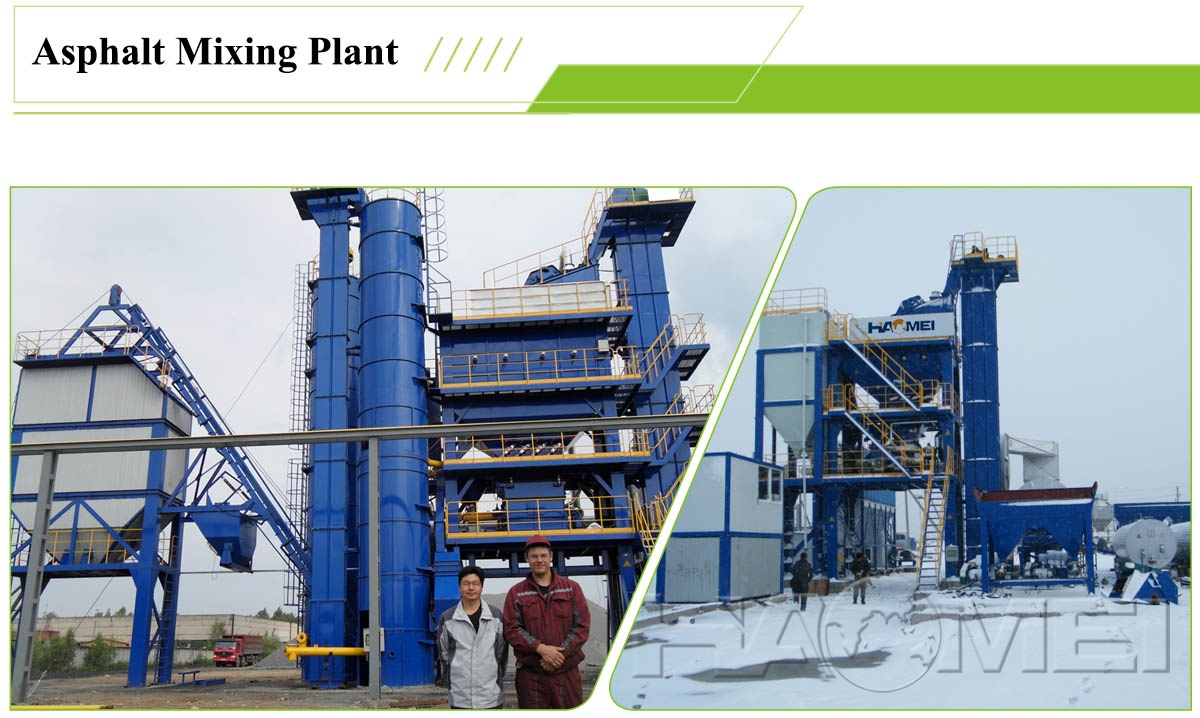
Working Principle of the LB2000 Batch Asphalt Plant
The LB2000 is a batch-type asphalt mixing plant. Unlike continuous drum mixing, batch production separates drying, screening, weighing, and mixing into controlled steps. This process is useful when projects require accurate grading and formula flexibility.
The typical production process is as follows:
Cold aggregates of different sizes are loaded into separate bins.
Belt feeders send aggregates to the drying drum according to preset proportions.
The burner heats the aggregates while the drum removes moisture.
Heated aggregates are lifted to the vibrating screen and classified into hot aggregate bins.
Aggregates, mineral powder, and bitumen are weighed separately.
The weighed materials enter the mixer for forced mixing.
Finished hot mix asphalt is discharged into a storage silo or directly into a transport truck.
The batch process allows the operator to adjust formulas for AC mixtures, base course mixtures, surface course mixtures, and other project-specific asphalt materials, subject to the applicable mix design and local standards.
Technical Reference Data
The following table provides a general reference for the LB2000 160 t/h asphalt mixing plant. Final configuration should be confirmed according to project conditions, environmental requirements, and contractual specifications.
| Item | Reference Description |
|---|---|
| Model | LB2000 |
| Plant type | Stationary batch-type asphalt mixing plant |
| Nominal production capacity | 160 t/h, subject to raw material moisture, mix design, fuel, and operating conditions |
| Mixing method | Forced batch mixing |
| Main materials processed | Aggregate, mineral powder, bitumen, optional additives depending on configuration |
| Finished product | Hot mix asphalt for road construction and maintenance |
| Control mode | Automatic control with manual operation support, depending on selected configuration |
| Installation form | Fixed foundation installation, layout adjusted according to site conditions |
| Typical users | Road contractors, municipal engineering companies, asphalt supply stations |
Configuration Options for Different Projects
A factory-supplied asphalt mixing plant should be configured according to the project instead of using one fixed solution for every site. The LB2000 asphalt plant can be matched with different options to support practical construction needs.
| Configuration Option | Purpose | Selection Consideration |
|---|---|---|
| Cold aggregate bins | Separate storage and feeding of different aggregate sizes | Number and volume depend on aggregate grading requirements |
| Baghouse dust collector | Dust control during drying and screening | Important for environmental compliance and plant cleanliness |
| Bitumen tank system | Bitumen storage and heating | Tank number and heating method depend on production schedule and climate |
| Mineral powder silo | Storage and pneumatic feeding of filler | Capacity should match mixture design and daily output |
| Finished material silo | Temporary storage before truck loading | Useful when transport trucks arrive in batches |
| Additive system | Feeding of fiber, modifier, or other additives | Selected according to special asphalt mixture requirements |
| Control room | Centralized plant operation and monitoring | Can be configured for automatic batching, data recording, and alarm prompts |
For users comparing models, the complete Asphalt Mixing Plant product range can be reviewed to match capacity, site layout, and budget planning.
Manufacturing Considerations Behind Equipment Reliability
For asphalt mixing plant manufacturing, reliability is not limited to the rated output. It is influenced by structural strength, material selection, machining quality, electrical system design, and commissioning standards.
Key manufacturing concerns include:
Stable steel structure for towers, platforms, conveyors, and support frames.
Wear-resistant design for aggregate handling, screening, and mixing sections.
Proper sealing of powder, dust, and hot aggregate transfer points.
Burner and dryer coordination for efficient aggregate heating.
Accurate weighing system layout to reduce batching deviation.
Clear cable routing and accessible maintenance spaces.
Practical plant layout for installation, inspection, and daily operation.
These details help reduce unplanned downtime and support stable asphalt mixture production during long construction periods.
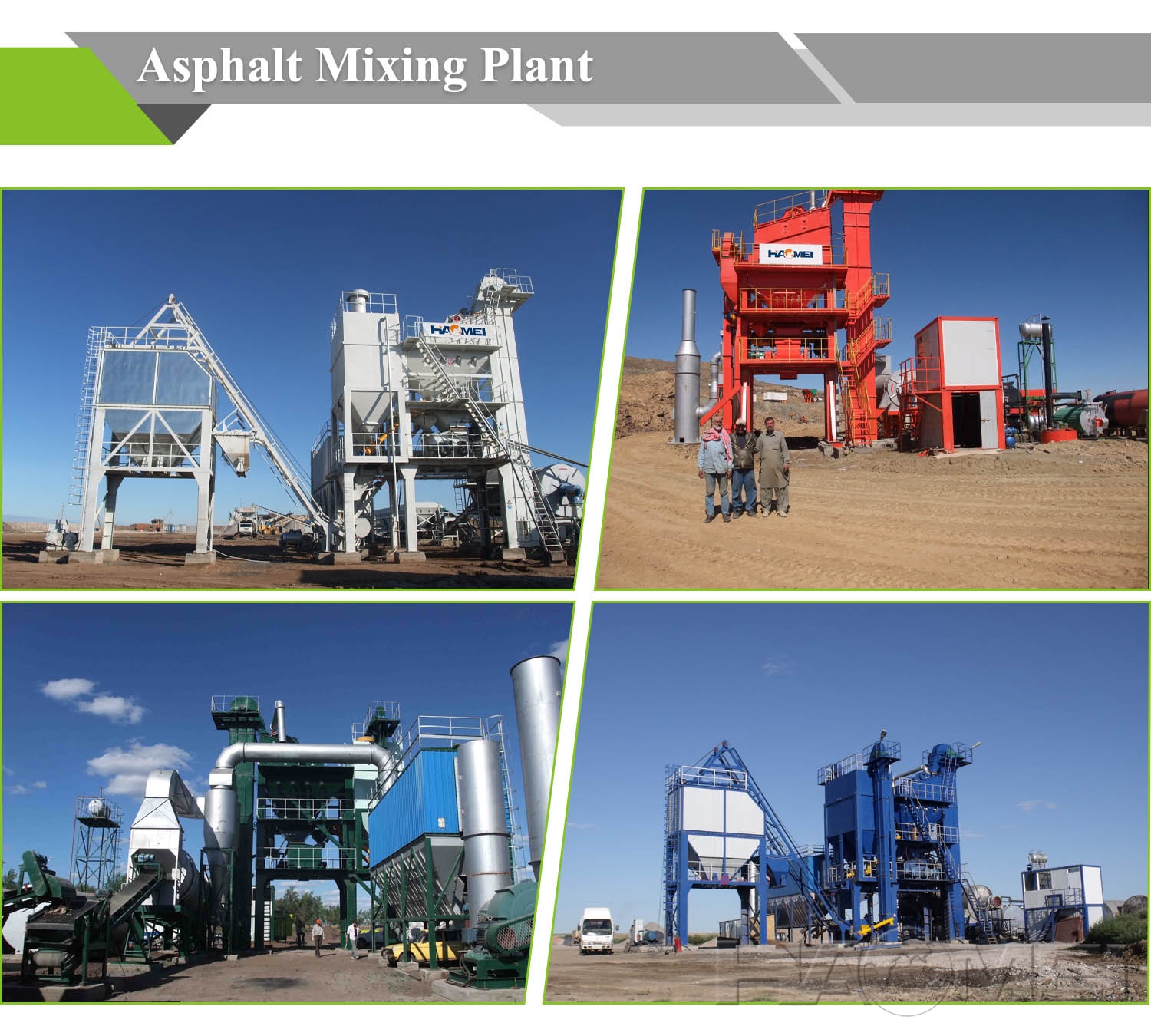
Environmental and Operation Trends in Asphalt Plant Selection
The asphalt industry is moving toward cleaner production, improved automation, and better material management. When selecting a 160 t/h asphalt mixing plant, project owners increasingly pay attention to dust control, fuel efficiency, operator convenience, and production traceability.
Important trends include:
| Industry Trend | Influence on Asphalt Plant Design |
|---|---|
| Stricter environmental requirements | Higher demand for baghouse dust collection and sealed conveying points |
| More complex asphalt formulas | Need for accurate weighing and flexible batch control |
| Rising energy costs | Greater attention to dryer efficiency and burner matching |
| Data-based project management | Interest in production records, formula storage, and operation monitoring |
| Safer maintenance requirements | Better access platforms, guardrails, and clear maintenance space |
A properly configured LB2000 160 t/h asphalt mixing plant can support these requirements when the equipment plan is matched with local regulations and project conditions.
Factory Supply and Project Matching
For customers seeking an LB2000 160 t/h asphalt mixing plant for sale, technical communication before production is essential. The manufacturer usually needs to confirm project location, climate, aggregate type, bitumen supply method, environmental requirements, power conditions, site dimensions, and expected production schedule.
Recommended information for equipment selection includes:
| Information Required | Why It Matters |
|---|---|
| Target production capacity | Confirms whether 160 t/h nominal capacity is suitable |
| Aggregate moisture and grading | Affects drying load, screening design, and final output |
| Asphalt mix types | Determines weighing, mixing, and additive configuration |
| Local emission requirements | Influences dust collection and sealing design |
| Site layout and foundation conditions | Affects plant arrangement and installation planning |
| Fuel type | Determines burner selection and fuel system design |
| Finished material storage demand | Helps select direct discharge or storage silo configuration |
Conclusion
The LB2000 160 t/h asphalt mixing plant is a practical batch-type solution for medium and large road engineering projects that require controlled asphalt mixture quality and stable production organization. Its performance depends not only on rated capacity but also on material conditions, configuration matching, manufacturing quality, installation, and operation management.
As a manufacturer, the focus is to provide a technically suitable asphalt plant configuration based on project requirements rather than a one-size-fits-all proposal. Careful selection of the drying system, weighing system, mixing unit, dust collection system, bitumen supply system, and control system helps ensure that the LB2000 asphalt mixing plant can serve road construction projects efficiently and reliably.