
News
Sicoma Concrete Mixer vs JS Concrete Mixer
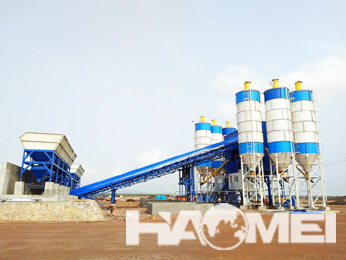
Selecting a mixer for a concrete batching plant requires more than comparing model names. The mixer must match the required concrete output, aggregate grading, mix design, production rhythm, maintenance resources, and plant layout. In many projects, the comparison between a Sicoma concrete mixer and a JS concrete mixer is essentially a comparison of configuration approach, component selection, service requirements, and integration suitability.
Both types are commonly associated with twin-shaft forced mixing technology and can be applied in commercial concrete plants, precast facilities, road projects, bridge construction, and other applications requiring consistent concrete production. The final selection should be based on the actual technical specification of the supplied equipment rather than the series name alone.
1. Basic Positioning of Sicoma and JS Concrete Mixers
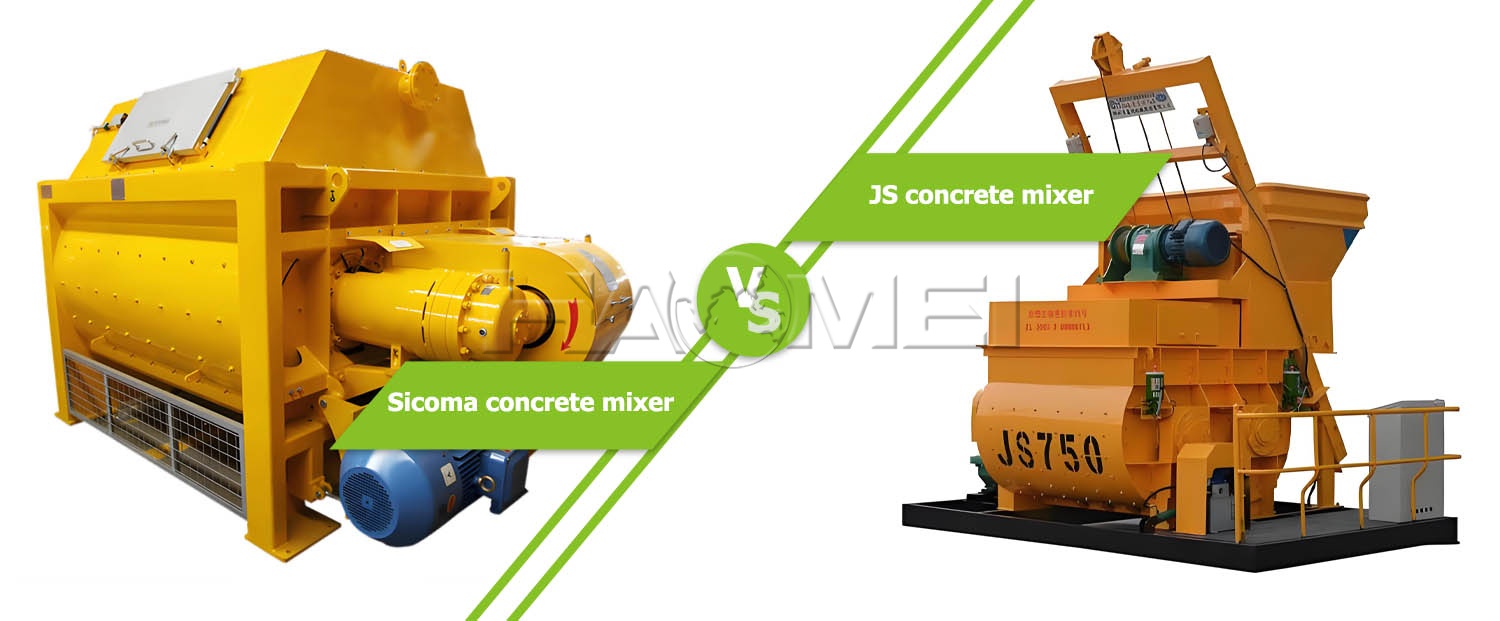
A Sicoma concrete mixer generally refers to a mixer supplied under the Sicoma brand and its corresponding design standards, components, and configuration options. Sicoma mixers are widely used in concrete production systems where twin-shaft forced mixing is required.
A JS concrete mixer is generally a twin-shaft forced concrete mixer series designation widely used in the construction machinery industry. JS models are commonly configured in different discharge capacities and can be integrated with aggregate batching machines, cement silos, screw conveyors, weighing systems, and control systems to form a complete batching plant.
| Item | Sicoma Concrete Mixer | JS Concrete Mixer |
|---|---|---|
| General product reference | Brand-specific concrete mixer solution | Common twin-shaft forced mixer series designation |
| Typical mixing principle | Twin-shaft forced mixing | Twin-shaft forced mixing |
| Common applications | Commercial batching plants, precast plants, infrastructure projects | Small to large batching plants, precast production, road and building projects |
| Configuration approach | Depends on the selected Sicoma model and options | Depends on JS model size, plant design, and selected components |
| Selection basis | Required output, mix design, specified components, local service | Required output, aggregate size, budget, plant layout, and service planning |
2. Working Principle: Twin-Shaft Forced Mixing
Both Sicoma and JS concrete mixers commonly use a twin-shaft forced mixing arrangement. Two horizontal mixing shafts rotate inside the mixing chamber. Mixing arms and blades mounted on the shafts move cement, water, sand, gravel, admixtures, and supplementary materials through intersecting mixing paths.
This forced mixing action is suitable for conventional plastic concrete as well as many low-slump, high-strength, and aggregate-containing mixes. However, concrete uniformity does not depend on the mixer alone. Aggregate moisture, batching accuracy, material feeding sequence, mixing time, discharge condition, and operator control all affect the final result.
| Mixing System Element | Function in Concrete Production | Selection Consideration |
|---|---|---|
| Mixing shafts | Drive the mixing arms and create material circulation | Shaft sealing and bearing arrangement should suit operating conditions |
| Mixing arms and blades | Move and shear materials inside the chamber | Wear-resistant materials and adjustment access are important |
| Liner plates | Protect the mixing chamber from abrasion | Liner design should support replacement during maintenance |
| Discharge gate | Releases finished concrete into a truck, hopper, or conveyor | Gate sealing and actuator reliability affect discharge control |
| Drive system | Transfers motor power to the shafts | Motor, gearbox, coupling, and synchronization design should be evaluated |
3. Structural Comparison: What Should Be Evaluated
From a manufacturing perspective, the practical comparison should focus on the actual structure and configuration supplied with the mixer. Different models, production years, regional specifications, and customer options may affect the final arrangement.
Mixing Chamber and Wear Parts
The mixing chamber is exposed to continuous abrasion from aggregate and cementitious materials. For both mixer types, liner plates, mixing blades, scraper blades, and arm assemblies are key wear parts. Their service life varies with aggregate hardness, particle shape, concrete strength grade, operating hours, and maintenance practices.
A project using crushed stone, manufactured sand, or abrasive aggregate should give particular attention to wear-liner material, blade adjustment, spare-parts planning, and the accessibility of inspection points.
Shaft Sealing and Bearing Protection
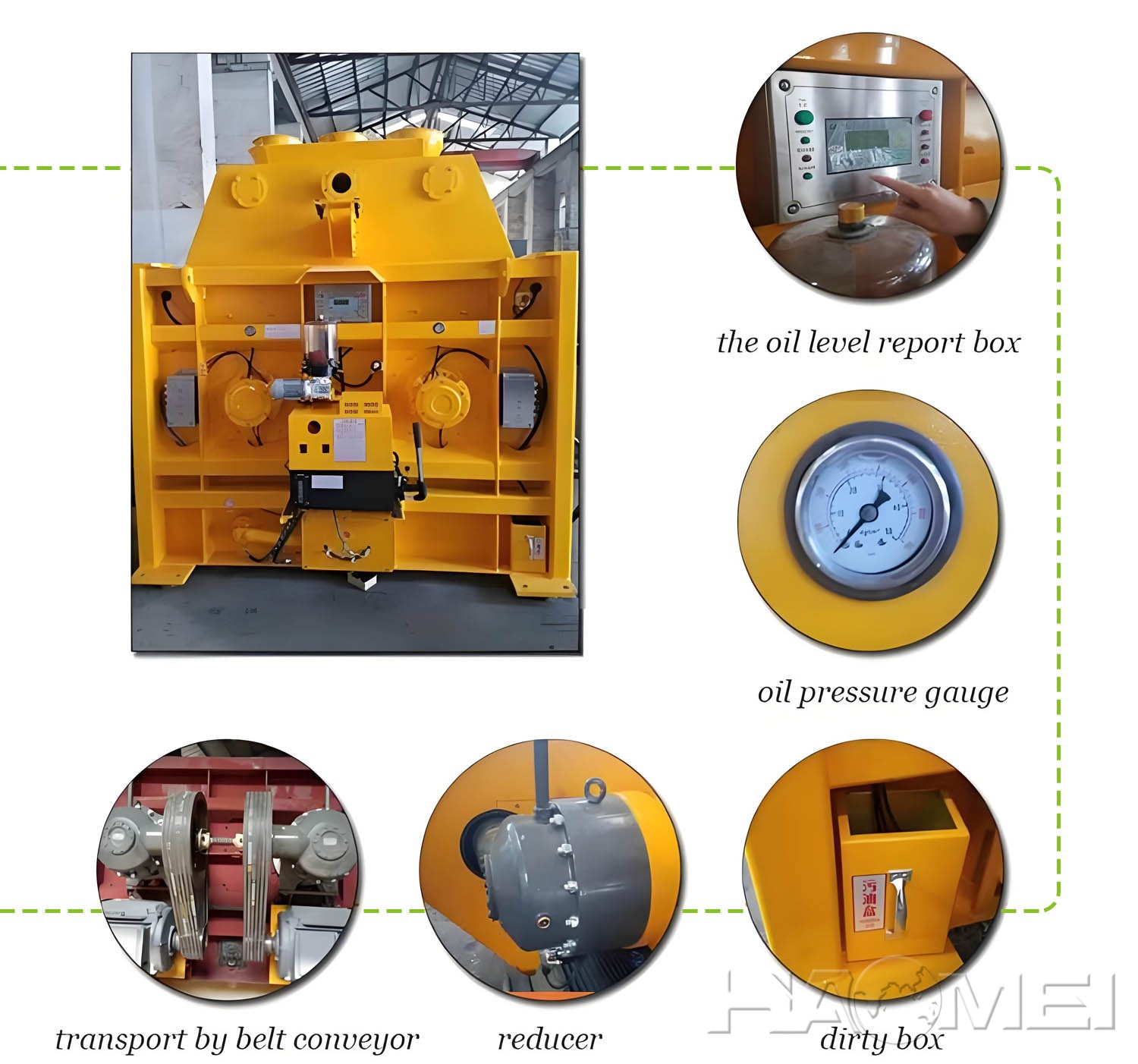
Shaft-end sealing is one of the most important maintenance areas on a twin-shaft mixer. The seal system is designed to prevent slurry ingress toward the bearing area while maintaining stable shaft rotation. The actual sealing method may include grease lubrication, pressure-assisted sealing, labyrinth structures, or other arrangements depending on the model.
During procurement, users should confirm the shaft seal structure, lubrication method, recommended inspection routine, and availability of service parts. A suitable preventive maintenance plan is often more important than selecting equipment based solely on initial purchase cost.
Drive and Discharge System
Mixer drive systems may vary by motor arrangement, gearbox design, coupling method, and electrical control configuration. The discharge gate may use hydraulic, pneumatic, or other actuation systems depending on the model and project requirements.
| Structural Area | Sicoma Concrete Mixer Evaluation Point | JS Concrete Mixer Evaluation Point |
|---|---|---|
| Mixing chamber | Confirm chamber volume, liner arrangement, and access doors | Confirm chamber volume, liner arrangement, and access doors |
| Shaft-end seal | Check sealing structure, lubrication requirements, and spare parts | Check sealing structure, lubrication requirements, and spare parts |
| Drive assembly | Review motor, gearbox, coupling, and protection configuration | Review motor, gearbox, coupling, and protection configuration |
| Discharge gate | Confirm gate type, sealing performance, and control interface | Confirm gate type, sealing performance, and control interface |
| Electrical system | Verify compatibility with plant control and local electrical standards | Verify compatibility with plant control and local electrical standards |
4. Capacity Matching for Batching Plant Applications
Mixer capacity should be matched with the plant's intended production cycle rather than judged only by nominal mixer size. The batching system, aggregate feeding method, weighing speed, truck loading arrangement, and concrete delivery schedule all influence actual plant productivity.
For example, a compact project plant may prioritize a smaller mixer with simple installation and convenient transport. A commercial concrete plant may require a mixer configuration that supports repeated cycles, coordinated truck loading, automation integration, and planned maintenance intervals. A precast application may prioritize repeatable mixing conditions and compatibility with specialized mix designs.
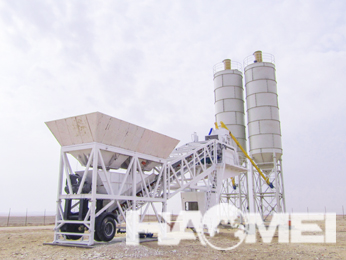
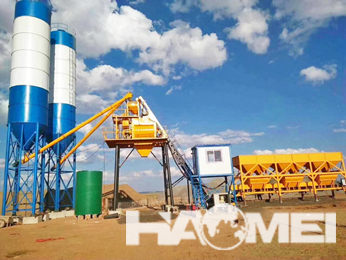
The Concrete Mixer selection should therefore be considered together with the entire batching plant system, not as an isolated machine.
| Application Scenario | Typical Operational Focus | Suitable Evaluation Priorities |
|---|---|---|
| Small construction site | Limited space and intermittent demand | Compact layout, straightforward operation, convenient maintenance |
| Commercial batching plant | Continuous production and truck dispatch coordination | Cycle stability, plant integration, wear-part management, automation compatibility |
| Precast concrete plant | Consistency across repeated batches | Mix uniformity, discharge control, recipe management, cleaning access |
| Road and bridge project | Variable site conditions and schedule-driven output | Equipment durability, transport planning, material adaptability, service support |
| Large infrastructure project | Long operating periods and organized material supply | Maintenance planning, spare-parts availability, control system coordination |
5. Configuration Options That Influence the Decision
A Sicoma concrete mixer vs JS concrete mixer comparison should include optional equipment and system interfaces. These details can have a direct effect on installation, operation, and maintenance.
| Configuration Item | Why It Matters |
|---|---|
| Automatic lubrication system | Helps support regular lubrication of specified moving or sealing components |
| Moisture measurement interface | Can assist batching control when used with a compatible control system and process |
| High-pressure cleaning system | May improve chamber cleaning efficiency where water supply and operating procedures permit |
| Mixer condition monitoring | Supports routine inspection of drive, lubrication, and operating status |
| Access platform and safety guards | Improve maintenance access and help support safe operation |
| Wear-part package | Provides planned replacement parts for commissioning and early operation periods |
| Control system communication | Ensures the mixer can work correctly with plant automation and recipe management |
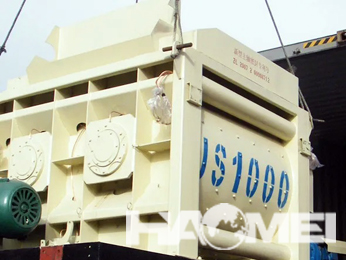
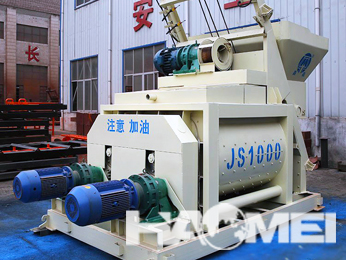
For commonly used medium-capacity batching plant configurations, equipment such as the JS1000 Concrete Mixer may be evaluated according to batch demand, aggregate specification, and the required plant arrangement. The appropriate model must be confirmed against the complete technical proposal.
6. Maintenance Considerations
Concrete mixers operate in a high-abrasion and high-load environment. Whether selecting a Sicoma mixer or a JS mixer, maintenance procedures should be defined before commissioning.
| Maintenance Area | Recommended Management Focus |
|---|---|
| Mixing blades and liners | Inspect wear regularly and replace parts before mixing quality or mechanical clearance is affected |
| Shaft-end seals | Follow lubrication and inspection procedures specified for the supplied configuration |
| Gearboxes and motors | Check lubrication condition, abnormal noise, temperature, vibration, and fastener condition |
| Discharge gate | Inspect opening and closing response, gate sealing, actuator condition, and material buildup |
| Electrical components | Keep panels clean and dry, inspect cables, and verify safety interlocks |
| Mixing chamber cleaning | Remove residual concrete according to safe shutdown and cleaning procedures |
Maintenance access should be reviewed during the plant design stage. Adequate space around the mixer, access platforms, lifting provisions, drainage, and safe isolation points can reduce downtime during inspection and replacement work.
7. How to Choose Between a Sicoma Concrete Mixer and a JS Concrete Mixer
The selection process should begin with a technical requirement list rather than a brand preference alone. The most appropriate equipment is the mixer that can meet the specified production task, integrate correctly with the batching plant, and receive reliable maintenance support throughout its operating life.
| Selection Question | Why It Should Be Confirmed |
|---|---|
| What concrete types will be produced? | Mix design affects required mixing intensity, wear resistance, and discharge behavior |
| What is the required batch size and production rhythm? | Determines the appropriate chamber capacity and plant coordination requirements |
| What aggregate size and hardness will be used? | Influences blade, liner, and chamber wear considerations |
| What control system will be installed? | The mixer must be compatible with plant automation, sensors, and interlocks |
| What maintenance resources are available on site? | Determines the importance of access design, spare parts, and service procedures |
| Are there project-specific technical specifications? | Public infrastructure and precast projects may require defined component or inspection standards |
8. Conclusion
Sicoma concrete mixers and JS concrete mixers are both relevant options for twin-shaft forced concrete mixing applications. Neither should be selected solely on naming, appearance, or a general capacity label. A sound decision should compare the actual mixing chamber, shaft sealing system, drive configuration, discharge arrangement, automation interface, wear-part plan, and local technical support.
For batching plant owners and project contractors, the key objective is a mixer configuration that fits the concrete recipe, production workflow, installation environment, and long-term maintenance plan. Reviewing these factors in a structured technical comparison helps ensure that the selected concrete mixer supports stable and practical project operation.