
News
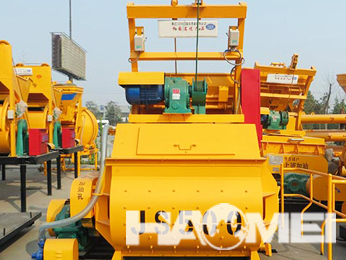
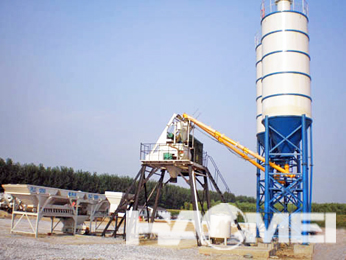
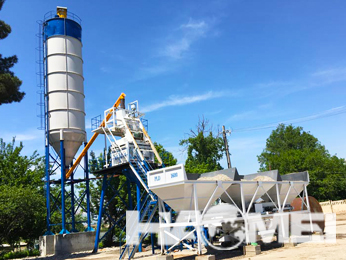
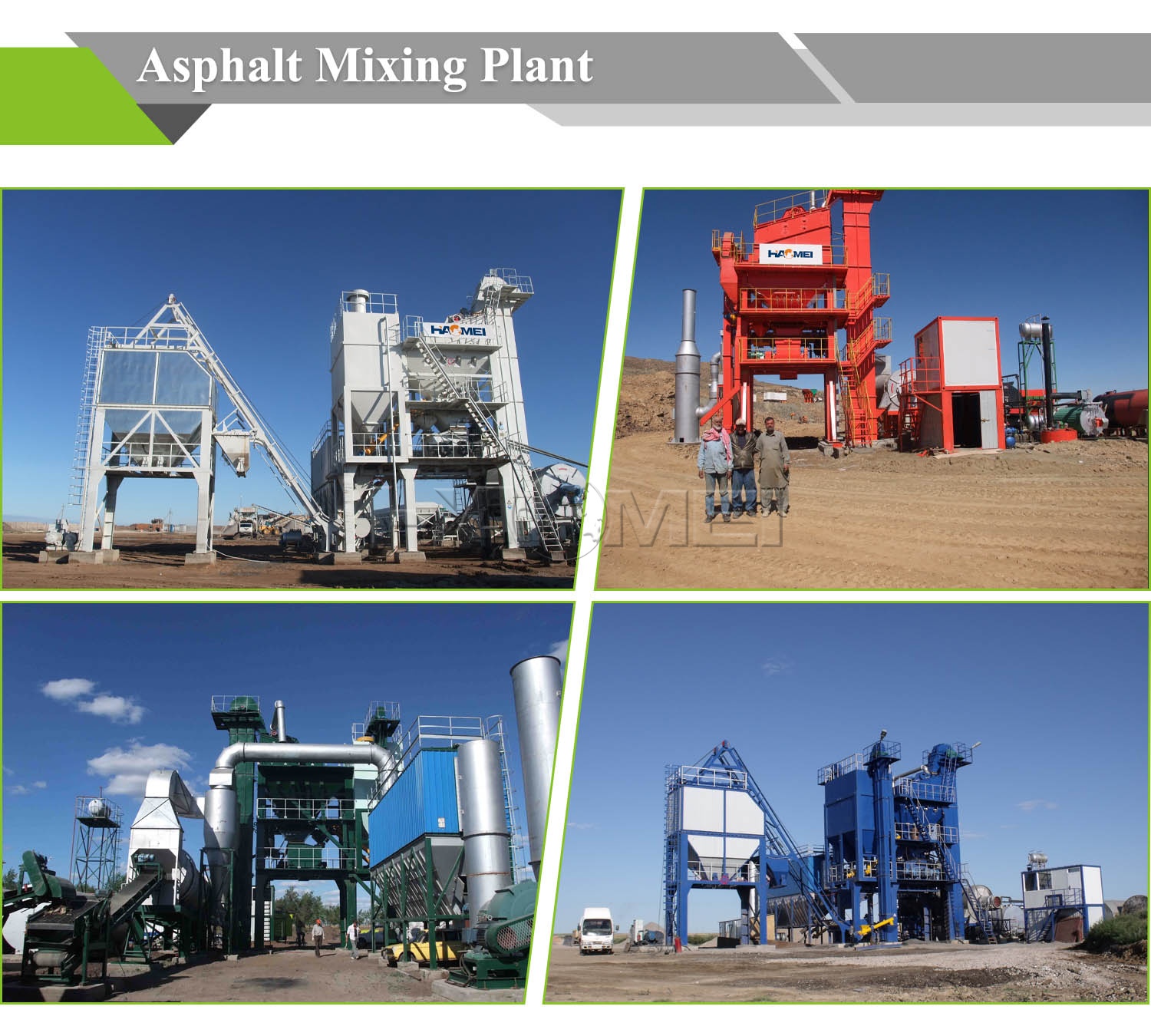
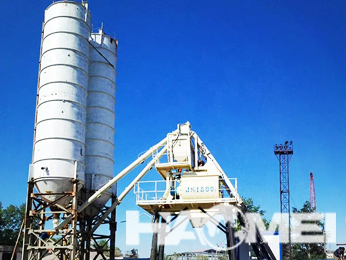
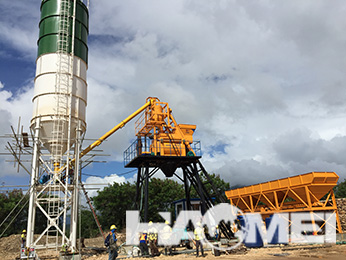
LB1500 Stationary Asphalt Mixing Plant for Road Construction
In road construction, asphalt mixture quality directly affects pavement strength, compaction performance, surface smoothness, and long-term service life. For contractors undertaking municipal roads, highways, industrial parks, airport auxiliary roads, and maintenance projects, a stable asphalt batching plant is an important part of the production system.
From a manufacturing perspective, the LB1500 stationary asphalt mixing plant is designed as a batch-type hot mix asphalt plant for projects requiring stable output, accurate aggregate and bitumen proportioning, and continuous production management. It is commonly selected for medium-scale road construction where site layout, production continuity, material storage, and environmental control need to be considered together.
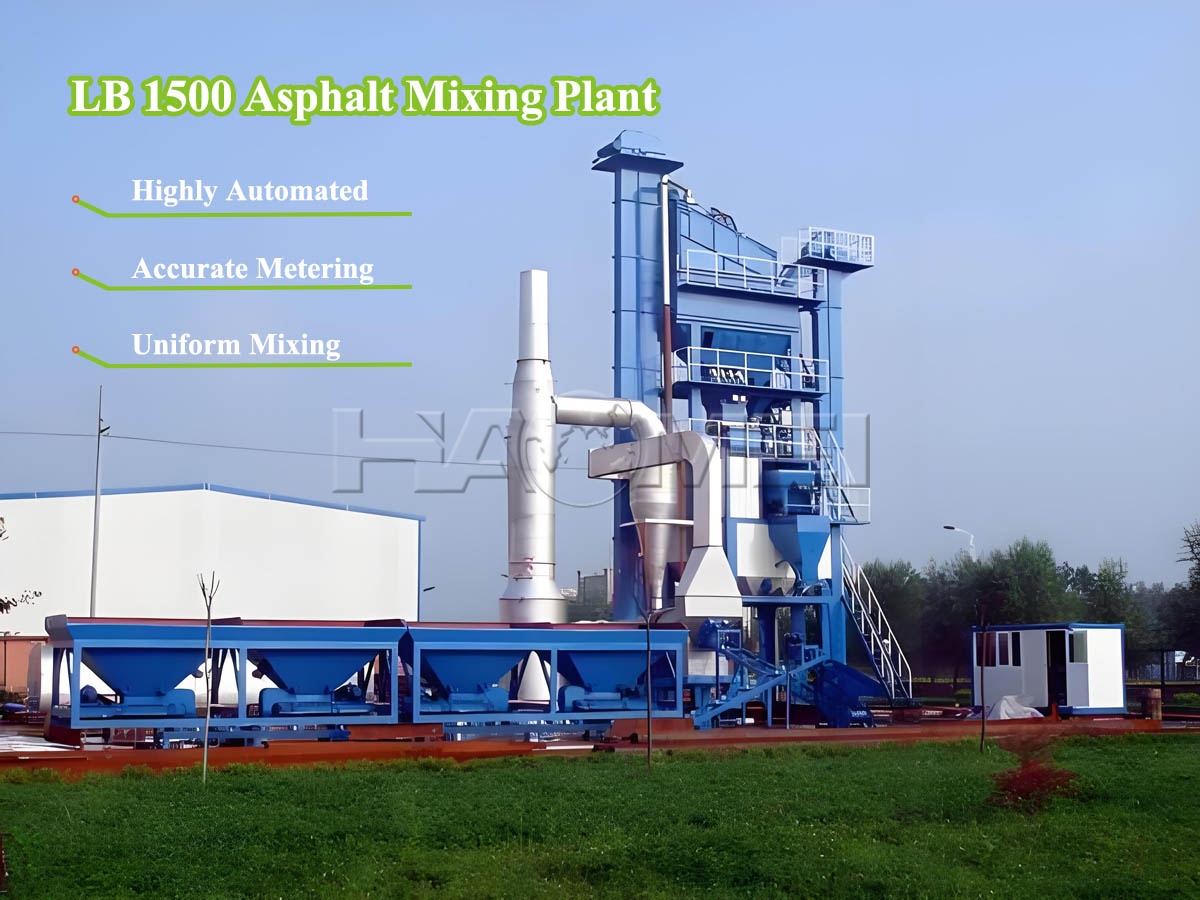
Positioning of the LB1500 Stationary Asphalt Mixing Plant
The LB1500 asphalt mixing plant belongs to the stationary batch asphalt plant category. Compared with mobile or drum-type asphalt plants, a stationary batch plant is generally arranged with a more complete material weighing, screening, mixing, and dust collection system. This structure is suitable for road projects that require multiple asphalt mixture formulas and relatively stable production locations.
For project owners and contractors evaluating an Asphalt Mixing Plant, the LB1500 model is often considered when the project requires a balance between production capacity, mixture consistency, installation space, and investment control.
| Item | Description |
|---|---|
| Equipment type | Stationary batch-type asphalt mixing plant |
| Model focus | LB1500 asphalt mixing plant |
| Main application | Road construction, road maintenance, municipal pavement, industrial access roads |
| Production material | Hot mix asphalt, modified asphalt mixture depending on configuration |
| Main process | Cold aggregate feeding, drying, screening, weighing, mixing, finished material discharge |
| Configuration principle | Matched according to project output, fuel conditions, dust emission requirements, and site layout |
Main Structure and Working Principle
A typical LB1500 stationary asphalt mixing plant is composed of a cold aggregate supply system, drying drum, burner, hot aggregate elevator, vibrating screen, hot aggregate storage bins, weighing system, mixing unit, bitumen supply system, filler supply system, finished material silo, dust collection system, and electrical control system.
The working process starts with different sizes of cold aggregates being fed into the cold aggregate bins. The aggregates are conveyed to the drying drum, where moisture is removed and the material is heated. After drying, the hot aggregate is elevated to the screening system and separated into different grades. Aggregates, bitumen, and mineral filler are weighed according to the selected formula before entering the mixer. After sufficient mixing, the finished asphalt mixture is discharged into a truck or storage silo.
| System | Function in Asphalt Production | Key Manufacturing Considerations |
|---|---|---|
| Cold aggregate feeding system | Supplies aggregates of different particle sizes | Bin volume, belt stability, feeding accuracy |
| Drying drum and burner | Heats and dries aggregates | Heat efficiency, fuel adaptability, drum wear resistance |
| Screening system | Separates hot aggregate by size | Screen mesh selection, maintenance access, vibration stability |
| Weighing system | Measures aggregate, bitumen, and filler | Weighing accuracy, sensor reliability, batching control logic |
| Mixing unit | Produces uniform asphalt mixture | Mixing blade arrangement, liner wear resistance, discharge speed |
| Dust collection system | Reduces dust emission during production | Primary and secondary dust removal, filter area, maintenance convenience |
| Control system | Manages production parameters and formulas | Automation level, data display, fault alarm, operation interface |
Configuration Options for Different Project Needs
The LB1500 stationary asphalt mixing plant can be configured according to the project environment and mixture requirements. As a manufacturer, configuration matching is usually based on factors such as aggregate type, fuel availability, environmental standards, transportation distance, and required storage capacity.
For example, projects with strict dust control requirements may require a high-efficiency baghouse dust collector. Projects with frequent formula changes may focus more on batching accuracy and control system convenience. If the finished asphalt mixture needs to be stored before truck loading, a finished product silo can be selected according to the site logistics plan.
| Configuration Area | Common Options | Selection Basis |
|---|---|---|
| Burner system | Diesel, heavy oil, natural gas, or other applicable fuel burners | Local fuel supply, operating cost, emission requirements |
| Dust collection | Gravity dust collector plus baghouse dust collector | Environmental standard, site dust control requirements |
| Finished material handling | Direct discharge or finished product storage silo | Truck scheduling, production continuity, site space |
| Bitumen system | Standard bitumen tank or thermal oil heating system | Bitumen storage temperature, climate conditions, project duration |
| Control system | Manual-assisted or automatic control | Operator habits, formula management, production data needs |
| Filler system | Powder storage and metering system | Mixture design, mineral powder consumption, dosing accuracy |
Engineering Applications in Road Construction
The LB1500 stationary asphalt mixing plant is suitable for road projects where stable mixture supply is required over a defined construction period. It can support pavement base and surface layer construction when the plant is properly matched with aggregate supply, bitumen storage, truck transportation, and paving equipment.
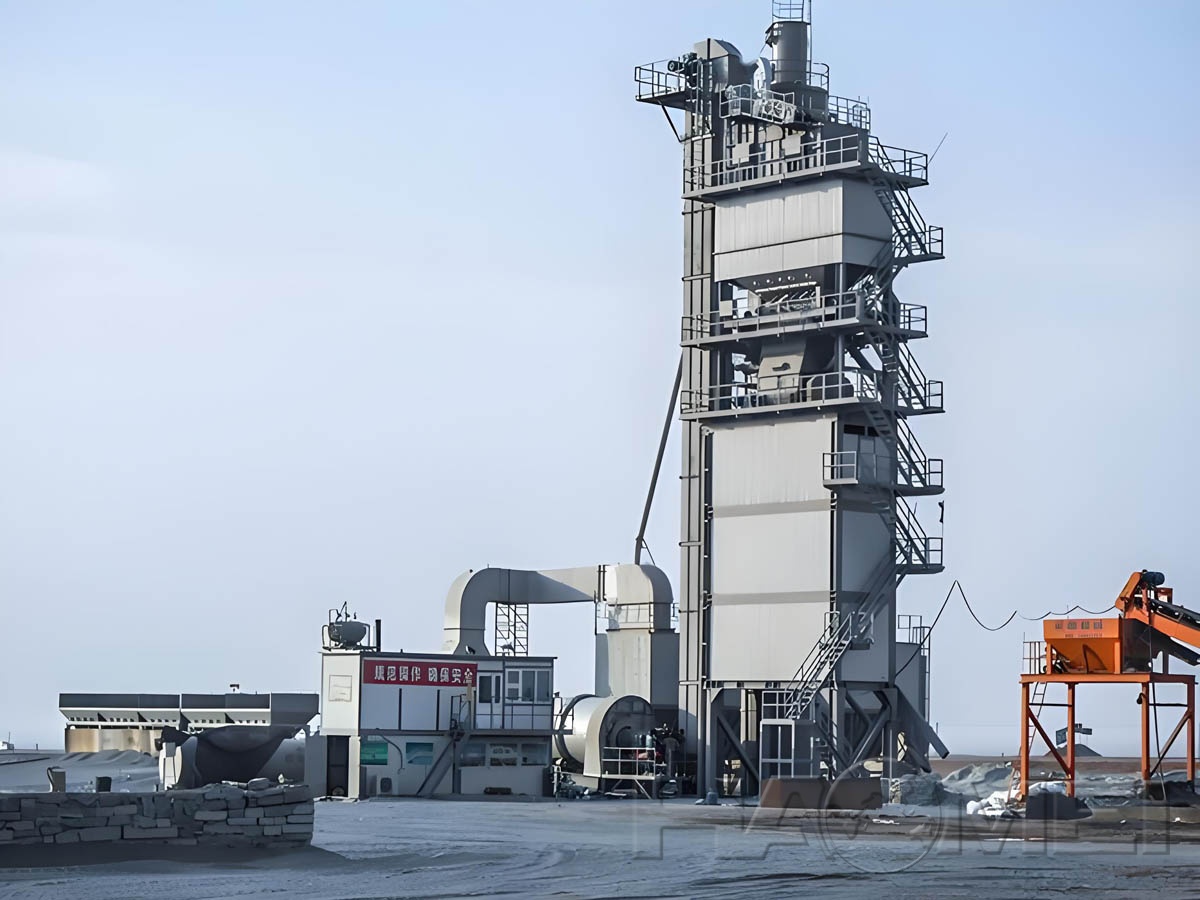
In practical engineering applications, the plant layout should consider the route of aggregate trucks, finished asphalt mixture trucks, fuel vehicles, and maintenance personnel. Reasonable site planning can reduce material cross-traffic, shorten truck waiting time, and support smoother daily production.
The LB1500 Asphalt Mixing Plant is commonly discussed for the following project scenarios:
| Application Scenario | Equipment Requirement | Notes for Project Planning |
|---|---|---|
| Municipal road construction | Flexible formula adjustment and stable batch mixing | Suitable for urban road sections with changing pavement designs |
| Highway maintenance | Reliable hot mix supply and efficient truck loading | Transportation distance and mixture temperature loss should be controlled |
| Industrial park roads | Medium-scale continuous production | Site installation space and aggregate storage should be evaluated early |
| Airport auxiliary roads | Consistent mixture quality and accurate weighing | Mixture design and production control should follow project specifications |
| Road upgrading projects | Adaptability to different aggregate sizes | Screening and storage bin configuration should match material grading |
Key Points for Plant Selection
Selecting an LB1500 stationary asphalt mixing plant should not be based only on the model name. A complete selection process needs to review the project scale, daily paving plan, material source, climate, environmental requirements, and available installation site.
The following checklist can help project teams communicate technical requirements more clearly before equipment manufacturing and delivery.
| Selection Factor | Questions to Confirm |
|---|---|
| Project output demand | What is the planned daily asphalt mixture consumption? |
| Aggregate supply | Are aggregate sizes, moisture content, and cleanliness stable? |
| Fuel condition | Which fuel is locally available and suitable for the burner? |
| Environmental requirement | What dust and emission control standards apply to the project site? |
| Site layout | Is there enough space for aggregate bins, drying drum, mixing tower, silos, and truck movement? |
| Transportation distance | How far is the plant from the paving site, and how will temperature loss be managed? |
| Maintenance plan | Are spare parts, operator training, and routine inspection procedures prepared? |
Manufacturing Focus: Reliability, Maintainability, and Control
For asphalt mixing equipment used in road construction, long-term reliability depends on both structural design and production management. Wear-resistant liners, stable screening performance, accurate weighing, and convenient maintenance access all influence plant operation. The control system should allow operators to manage production formulas, monitor operating status, and respond to alarms in a timely manner.
During manufacturing, attention is given to component matching rather than only increasing individual specifications. The drying drum, burner, elevator, screen, weighing system, mixer, and dust collector should work as a coordinated system. This is especially important for batch asphalt plants because each production cycle depends on accurate timing and stable material flow.
Industry Trend: Cleaner and More Intelligent Asphalt Production
Road construction equipment is moving toward improved environmental performance, lower energy consumption, and more intelligent control. For stationary asphalt plants, this trend is reflected in better dust collection systems, optimized burner combustion, more accurate weighing control, and clearer production data management.
At the same time, project owners are paying closer attention to equipment lifecycle cost. In addition to purchase cost, operation teams now evaluate fuel consumption, maintenance convenience, spare parts supply, installation efficiency, and operator training. For this reason, the LB1500 stationary asphalt mixing plant should be selected as a complete production solution matched to the project, not simply as a single machine.
Conclusion
The LB1500 stationary asphalt mixing plant is a practical asphalt batching solution for medium-scale road construction and maintenance projects. Its batch-type structure supports accurate weighing, controlled mixing, and flexible formula adjustment. When properly configured with a suitable burner, dust collection system, bitumen supply system, and finished material handling arrangement, it can provide stable hot mix asphalt production for a wide range of pavement applications.
For road contractors and project planners, early communication of production demand, site conditions, raw material characteristics, and environmental requirements helps ensure that the final plant configuration is technically suitable and easier to operate throughout the project lifecycle.