
News
Price Of JS1500 Twin Shaft Mixer For HZS60 Plant
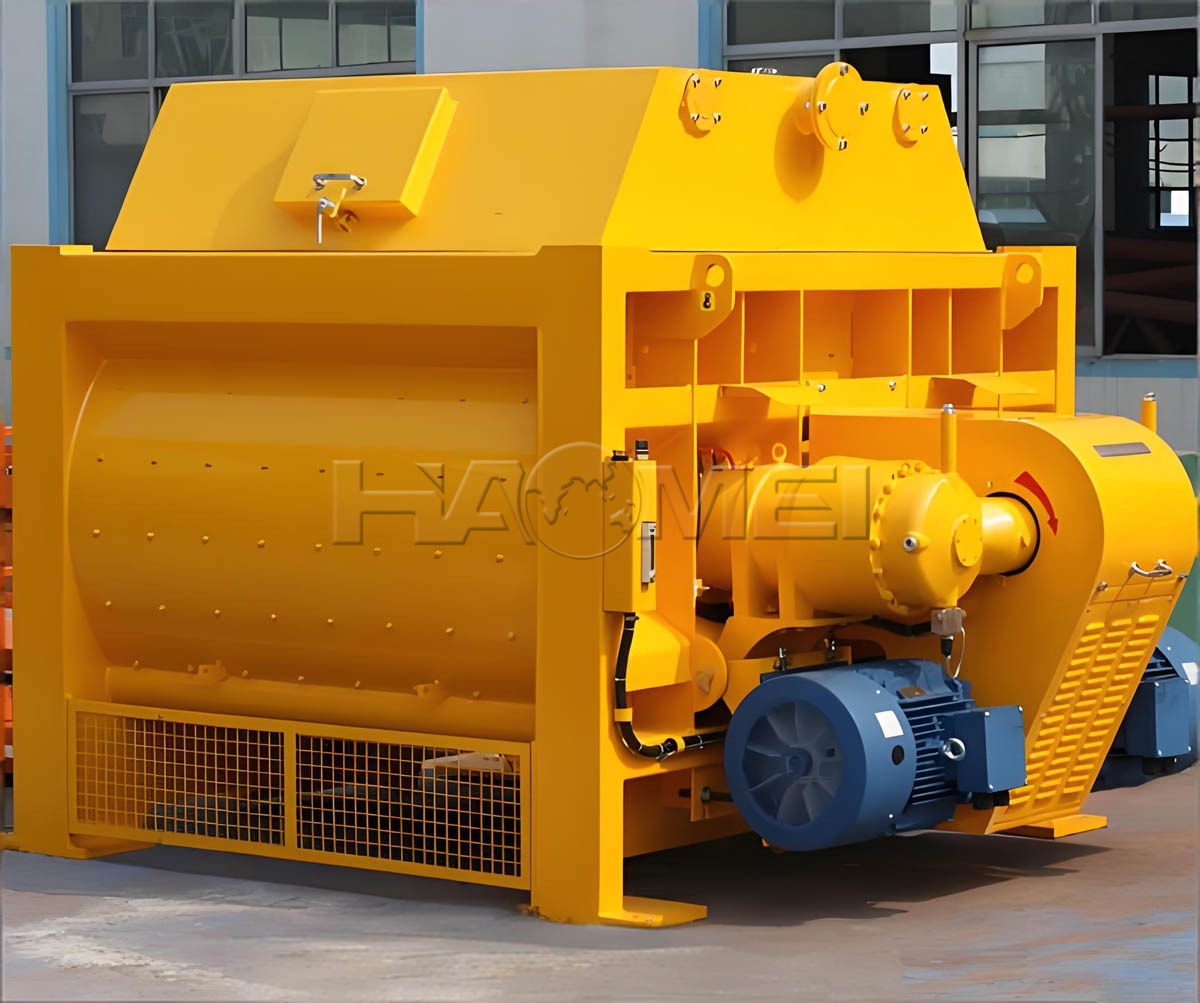
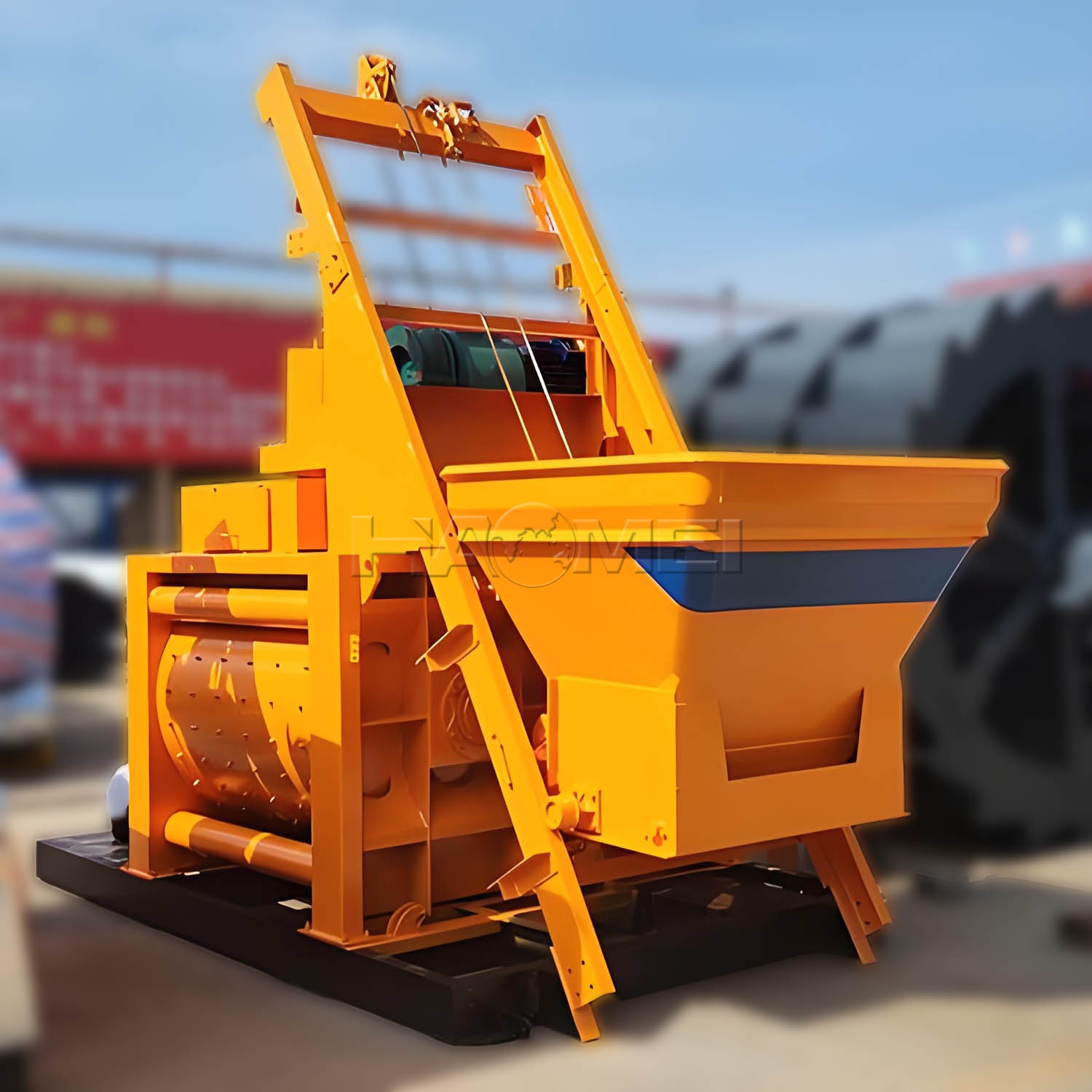
In an HZS60 concrete batching plant, the JS1500 twin shaft mixer is the core mixing unit. When evaluating the price of JS1500 twin shaft mixer for HZS60 plant, the most important point is that equipment cost is not determined by model name alone. In actual manufacturing and project matching, price is closely related to structural design, drive configuration, wear-resistant parts, discharge system, electrical components, and the requirements of the target application.
From the perspective of an equipment manufacturer, a suitable mixer for an HZS60 plant should not only match the theoretical capacity of the plant, but also fit the concrete grade, aggregate size, production rhythm, site conditions, and maintenance expectations of the customer.
1. Why the JS1500 Mixer Is Commonly Used in HZS60 Plants
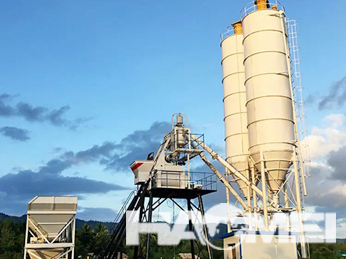
The HZS60 batching plant is generally configured around a 60 m3/h class production requirement, and the JS1500 concrete mixer is a common matching choice because its batch output and mixing efficiency suit this plant range well. In practical plant design, the mixer must coordinate with the batching machine, aggregate lifting system, cement weighing, water weighing, additive dosing, and central control system.
The JS1500 Concrete Mixer is widely selected for HZS60 plants because it offers a balanced combination of capacity, mixing uniformity, and installation compatibility. For projects requiring stable commercial concrete production, precast component supply, or municipal infrastructure support, this matching scheme is mature and practical.
2. Main Factors That Affect the Price of a JS1500 Twin Shaft Mixer
The price of a JS1500 twin shaft mixer for an HZS60 plant usually varies according to configuration and manufacturing scope. Below are the major factors that influence cost.
2.1 Core Structural Configuration
The mixer body is the basis of service life and operating stability. Price differences often come from:
Mixing drum plate thickness
Lining plate material and wear resistance
Shaft end sealing structure
Bearing brand and arrangement
Reducer and motor matching method
Mixing arm and blade material
A mixer designed for long daily operating hours usually requires stronger wear-resistant liners and more reliable shaft-end sealing. This can increase the initial purchase cost, but it helps reduce downtime and replacement frequency.
2.2 Drive System and Transmission Scheme
The JS1500 twin shaft mixer typically uses motor, reducer, and synchronized transmission components to drive the two mixing shafts. The stability of the drive system affects startup smoothness, overload resistance, and long-term maintenance cost.
Different drive options may include:
| Configuration Item | Typical Options | Influence on Price |
|---|---|---|
| Motor | Standard motor, energy-saving motor | Affects initial equipment cost and power consumption characteristics |
| Reducer | Domestic standard, higher-spec reducer | Affects transmission stability and service life |
| Coupling/transmission parts | Standard configuration, reinforced configuration | Influences reliability under frequent operation |
| Lubrication method | Manual lubrication, centralized lubrication | Higher automation generally increases cost |
2.3 Discharge System
The discharge gate of the JS1500 mixer can be configured differently according to automation level and control requirements.
| Discharge Component | Common Option | Cost Impact |
|---|---|---|
| Gate opening mode | Pneumatic | Standard for many batching plants |
| Control method | Manual-assisted, automatic control linkage | Higher control integration usually raises price |
| Gate sealing design | Standard sealing, enhanced sealing | Better sealing may improve cleanliness and reduce leakage |
For HZS60 plants with higher continuity requirements, automatic linkage with the control system is usually preferred.
2.4 Electrical and Control Components
Even when discussing only the mixer price, electrical configuration still matters. Limit switches, sensors, solenoid valves, lubrication alarms, and motor protection devices all affect the final quotation.
If the mixer is supplied as a complete unit for direct integration into the plant, the electrical interface standard and control cabinet coordination may also be included in the scope.
2.5 Wear Parts and Maintenance Design
For a JS1500 mixer, blades, arms, liners, and shaft-end sealing parts are the main maintenance items. Their design quality directly affects lifecycle cost.
| Wear-Related Item | Typical Consideration | Effect on Overall Value |
|---|---|---|
| Mixing blades | Material and casting/process quality | Influences replacement cycle |
| Lining plates | Wear-resistant material grade | Affects drum protection and maintenance frequency |
| Shaft-end seal | Multi-layer sealing structure | Important for preventing slurry leakage |
| Maintenance access | Ease of inspection and replacement | Reduces service downtime |
3. Typical Technical Matching of JS1500 Mixer in HZS60 Plant
The mixer should be viewed as part of the entire batching plant rather than as an isolated product. In manufacturing practice, matching is usually checked from several aspects.
| Matching Item | Requirement in HZS60 Plant | Why It Matters |
|---|---|---|
| Batch output coordination | Mixer cycle should fit plant output rhythm | Prevents bottlenecks |
| Aggregate feeding method | Should match hopper or belt feeding arrangement | Affects loading efficiency |
| Weighing system connection | Cement, water, and additive discharge should coordinate with mixer inlet | Helps maintain batching accuracy |
| Finished concrete discharge | Must match receiving hopper or truck loading path | Supports continuous production |
| Installation foundation | Foundation size and load-bearing must match mixer structure | Ensures stable operation |
For users comparing several plant schemes, it is useful to assess not only the price of the mixer itself, but also whether the supplier has experience integrating the mixer into an HZS60 system.
4. What Usually Causes Price Differences Between Suppliers
The market may show different quotations for the same JS1500 model. This does not always mean that one offer is directly comparable to another. In manufacturing reality, differences usually come from the following points:
| Comparison Item | Possible Difference |
|---|---|
| Scope of supply | Bare mixer, mixer with accessories, or mixer with integrated electrical parts |
| Material standard | Different steel specifications and wear-resistant component grades |
| Component sourcing | Different motor, reducer, bearing, and pneumatic brands |
| Manufacturing process | Variations in welding quality, machining precision, and assembly inspection |
| Testing standard | Factory no-load test only or more complete inspection procedure |
| Service package | Spare parts scope, installation guidance, and after-sales response |
Because of these variables, a reasonable approach is to compare quotations item by item instead of relying only on a total price figure.
5. Engineering Applications That Influence Mixer Selection
The required JS1500 twin shaft mixer configuration can vary according to project type.
5.1 Commercial Concrete Production
Commercial concrete plants often pay attention to production continuity, mixing consistency, and convenient maintenance. In this scenario, the mixer should maintain stable operation under frequent batching cycles.
5.2 Road, Bridge, and Municipal Projects
Infrastructure projects may require flexible site arrangement, fast installation, and adaptation to different aggregate conditions. For these jobs, sealing reliability and wear resistance are often important.
5.3 Precast Component Production
Precast concrete usually has stricter requirements for homogeneity and repeatability. The matching of blade layout, mixing time, and discharge cleanliness becomes more important.
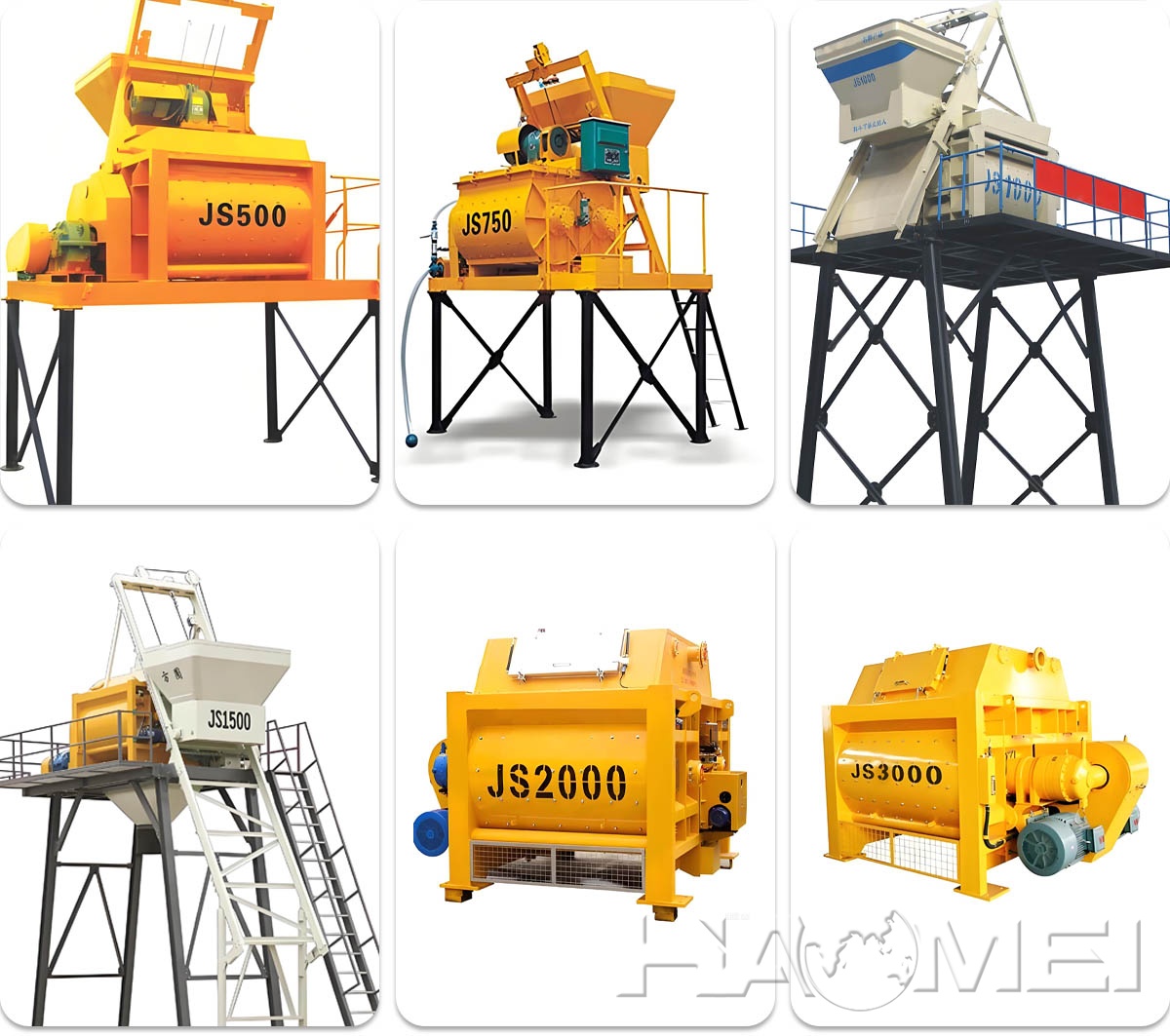
In cases where a project scale is smaller than HZS60, users may also compare the mixer with a JS1000 Concrete Mixer to evaluate plant capacity matching and investment planning.
6. Practical Points to Check Before Asking for a Price
To obtain a more accurate quotation for a JS1500 mixer used in an HZS60 plant, the following project information is usually needed.
| Information Needed | Why the Manufacturer Needs It |
|---|---|
| Plant type | Determines whether the mixer is for a fixed or modular batching plant |
| Required output | Helps confirm whether JS1500 is the proper match |
| Concrete type | Influences mixer configuration and wear-part selection |
| Aggregate size and moisture | Affects mixing load and feeding design |
| Power standard | Ensures motor and electrical compatibility |
| Automation level | Determines control and discharge system specification |
| Delivery scope | Clarifies whether accessories and spare parts are included |
Clear project data helps reduce quotation deviation and supports proper technical matching.
7. Manufacturer's View on Cost and Long-Term Value
When discussing the price of JS1500 twin shaft mixer for HZS60 plant, focusing only on the lowest purchase price is often not enough. For plant operators, the more meaningful factors are:
Stability during continuous production
Ease of liner and blade replacement
Reliability of shaft-end sealing
Compatibility with the batching plant control system
Availability of spare parts
Predictability of maintenance cost
A properly configured mixer can improve plant coordination and reduce unplanned shutdowns. In many projects, these operational factors have more influence on total ownership cost than the initial difference between two quotations.
8. Industry Trend: More Attention to Integration and Maintenance Efficiency
In current batching plant development, users are paying more attention to integrated equipment design rather than single-machine comparison alone. For JS1500 mixers used in HZS60 plants, the trend is toward:
| Industry Trend | Practical Meaning |
|---|---|
| Better integration with plant control | Easier operation and coordinated batching cycles |
| Improved wear-part design | Reduced maintenance interruption |
| More reliable shaft-end sealing | Lower risk of slurry leakage |
| Standardized modular manufacturing | Easier transport, installation, and replacement |
| More transparent configuration lists | Clearer price comparison for buyers |
These trends do not automatically mean every project needs the highest specification. The appropriate solution is the one that matches actual production demand and maintenance capability.
9. Conclusion
The price of JS1500 twin shaft mixer for HZS60 plant depends on much more than a single model designation. Structural materials, transmission components, sealing design, automation level, wear-part standard, and integration scope all affect the final quotation.
From a manufacturing perspective, a suitable JS1500 concrete mixer for an HZS60 concrete batching plant should be evaluated by both technical matching and long-term operating value. A clear configuration list, defined supply scope, and project-based selection process are the most reliable basis for judging whether a quoted price is reasonable.
For plant investors, contractors, and concrete producers, comparing equipment on a like-for-like basis is the best way to understand the real cost of a JS1500 mixer and to select a configuration that supports stable production in actual engineering conditions.