
News
Export of ISO and CE-Certified Concrete Batching Plants
International concrete projects require batching equipment that can match local construction conditions, logistics requirements, and applicable compliance standards. For manufacturers, the export of ISO and CE-certified concrete batching plants involves more than supplying a mixing system. It requires controlled production, documentation review, equipment inspection, export packing, and technical configuration aligned with the destination project.
An ISO-certified manufacturing system supports standardized procedures for design control, purchasing, fabrication, assembly, inspection, and after-sales traceability. CE marking, where applicable, concerns conformity with relevant European requirements for machinery, electrical safety, and related technical documentation. The exact scope of certification and applicable directives should always be confirmed according to the supplied equipment configuration and destination market.
Understanding ISO and CE Requirements for Batching Plant Export
A concrete batching plant is an integrated production system rather than a single machine. Its compliance evaluation may involve the aggregate batching section, weighing devices, cement conveying system, mixer, pneumatic components, electrical cabinet, control software, and safety devices.
For export projects, manufacturers generally review the following documentation and verification items before shipment:
| Item | Export Relevance | Typical Review Focus |
|---|---|---|
| ISO quality management documentation | Confirms controlled manufacturing processes | Production procedures, inspection records, traceability |
| CE conformity documentation | Relevant for applicable markets and configurations | Risk assessment, declaration documents, technical file scope |
| Electrical component information | Supports local voltage and electrical compatibility | Voltage, frequency, enclosure rating, component certificates |
| Equipment drawings | Assists installation and foundation preparation | Layout, dimensions, loading arrangement, connection points |
| Operation and maintenance manuals | Supports site commissioning and routine service | Safety guidance, lubrication, troubleshooting, spare parts |
| Packing list and shipping marks | Supports customs clearance and site receiving | Package identification, quantities, gross weight, container plan |
Certification documents should correspond to the actual equipment supplied. Where optional components, local electrical standards, or special environmental systems are requested, the documentation package should be reviewed accordingly before production release.
Main Structure of an Export Concrete Batching Plant
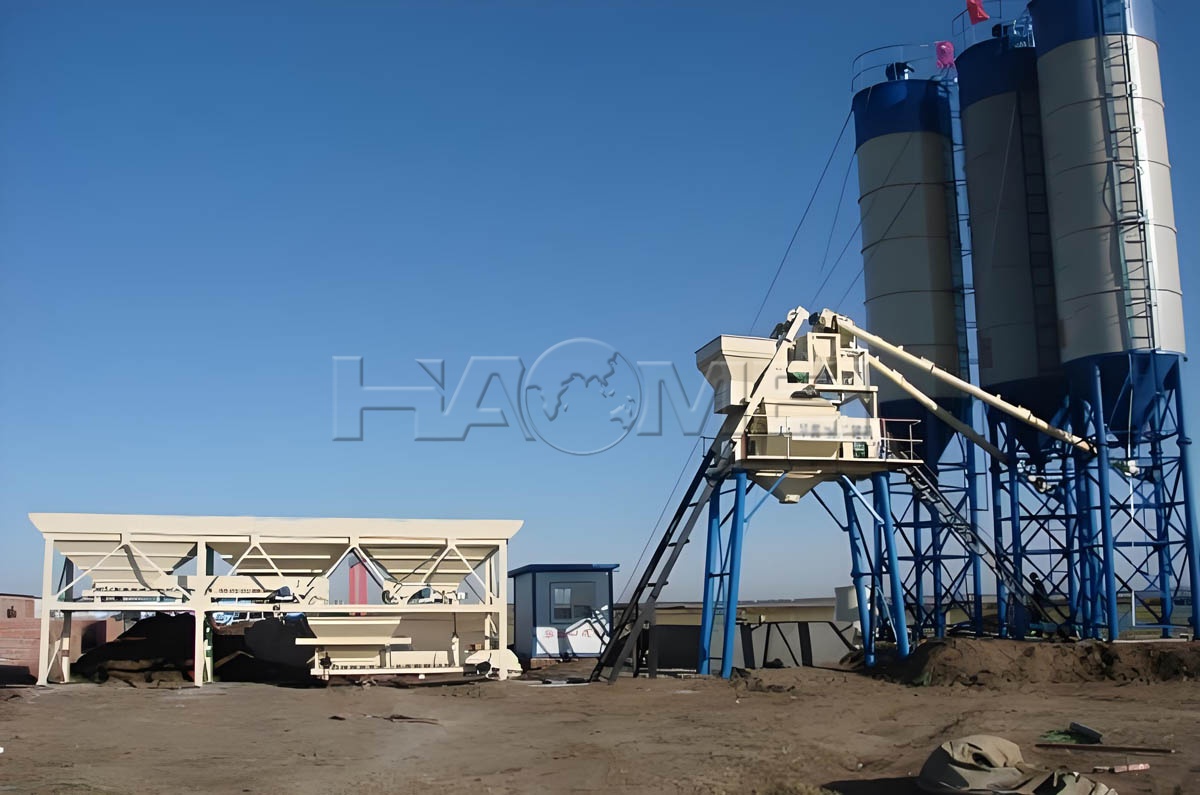
A stationary concrete batching plant typically stores, measures, conveys, mixes, and discharges concrete ingredients according to the selected mix formula. The control system coordinates each sequence, while weighing systems help maintain batching accuracy within the design and project requirements.
The principal equipment sections are summarized below.
| System | Primary Function | Common Configuration Considerations |
|---|---|---|
| Aggregate storage and batching | Stores and meters sand and stone | Number of aggregate bins, conveyor arrangement, moisture conditions |
| Cement and powder handling | Stores and transfers cement, fly ash, or other powders | Silo capacity, screw conveyor length, filter arrangement |
| Water and admixture dosing | Adds measured liquid materials | Water source, admixture quantity, winter protection needs |
| Concrete mixer | Mixes materials into homogeneous concrete | Twin-shaft, planetary, or other mixer selection based on application |
| Control system | Manages recipes, weighing, production records, and alarms | Language, local electrical standard, remote support requirements |
| Dust collection and safety systems | Controls dust and improves operating safety | Closed transfer points, filters, access platforms, emergency stops |
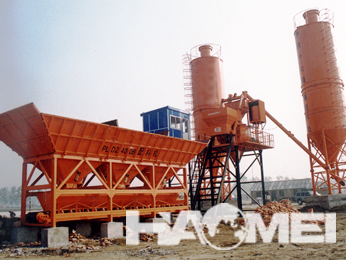
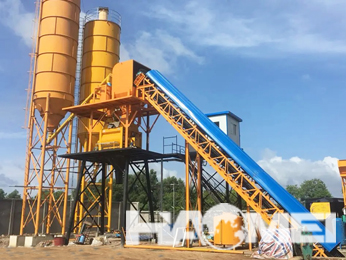
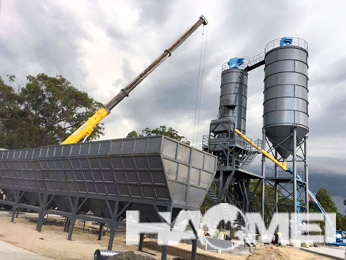
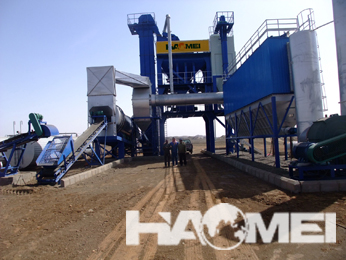
For long-term infrastructure work, a Stationary Concrete Batching Plant is commonly selected because it can be configured with permanent foundations, larger material storage, and centralized control. For projects with limited output demand or shorter construction cycles, compact layouts and modular sections can reduce transportation and installation complexity.
Configuration According to Project Conditions
Concrete batching plant selection should start with the engineering application rather than a general capacity target. The required concrete grade, aggregate size, daily production schedule, supply radius, site access, climate, and local utility conditions all influence the final equipment design.

| Project Condition | Recommended Configuration Direction |
|---|---|
| Urban commercial concrete supply | Enclosed transfer points, dust collection, storage silos, production record management |
| Road and bridge construction | Reliable aggregate feeding, durable mixer liners, convenient maintenance access |
| Precast concrete production | Stable weighing control, recipe management, mixer selection suited to consistent batch quality |
| Remote infrastructure sites | Modular structure, container-friendly packing, generator-compatible electrical options where required |
| High-temperature regions | Shade arrangements, water temperature management provisions, suitable electrical enclosure protection |
| Cold-weather construction | Insulated aggregate or water systems, heating interfaces, protected pipelines where required |
A model such as the HZS60 Stationary Concrete Batching Plant may be considered for projects that need a medium-scale stationary solution, subject to the required output, mixer type, material storage plan, and local installation conditions. Final configuration should be confirmed through project-specific technical communication.
Manufacturing and Inspection Before Shipment
From a manufacturer perspective, export quality control begins before final assembly. Incoming materials, fabricated steel structures, electrical components, pneumatic parts, and mixer components require inspection according to the applicable production and procurement procedures.
Before dispatch, the batching plant normally undergoes assembly checks or pre-shipment verification based on the shipping arrangement. The inspection scope can include structural connections, conveyor alignment, weighing system installation, electrical cabinet wiring, safety guards, lubrication points, and control system functions.
| Inspection Stage | Typical Inspection Content | Purpose |
|---|---|---|
| Incoming inspection | Steel materials, motors, reducers, sensors, electrical components | Confirms supplied parts meet approved specifications |
| Fabrication inspection | Welding quality, dimensions, surface preparation | Supports structural fit-up and corrosion protection |
| Assembly inspection | Mechanical connections, drive systems, mixer installation | Confirms equipment assembly quality |
| Electrical inspection | Wiring, grounding, terminal identification, control functions | Supports safe commissioning at the destination site |
| Pre-shipment inspection | Packing condition, accessories, manuals, identification marks | Reduces delivery and installation issues |
Export Packing and Shipping Considerations
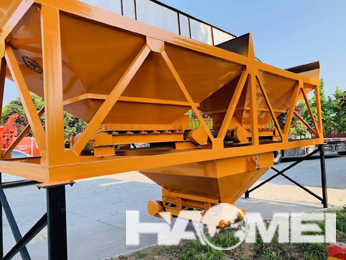
Concrete batching plants are generally divided into transportable modules, including the mixer unit, aggregate batching machine, belt conveyor sections, control cabin or cabinet, cement screw conveyors, platforms, and accessory systems. Packaging methods depend on the component size, shipping route, container dimensions, and destination handling conditions.
| Component Type | Common Export Packing Method | Key Protection Measure |
|---|---|---|
| Steel structure and platforms | Bundled or frame-secured shipment | Surface protection and part identification |
| Electrical cabinet and control parts | Wooden case or protected enclosed packing | Moisture protection and shock prevention |
| Mixer and drive components | Fixed to transport base or protective crate | Secure fastening and corrosion prevention |
| Conveyors and screw conveyors | Sectional packing or container loading | Protection for motors, gearboxes, and flanges |
| Sensors and small accessories | Labeled cartons or wooden cases | Separate inventory list and spare-part identification |
Clear package numbering and installation drawings are important for overseas projects, especially when the site installation team receives multiple containers over different delivery dates. A complete packing list helps the contractor check equipment sections before erection begins.
Engineering Support After Delivery
Export service planning should consider the full equipment lifecycle. During installation, the project team may need foundation drawings, electrical connection information, layout guidance, commissioning procedures, and operator training materials. The required level of support depends on local regulations, contractor experience, and the complexity of the batching plant configuration.
Routine maintenance should focus on mixer wear parts, lubrication systems, conveyor belts, screw conveyors, weighing sensors, pneumatic valves, and electrical connections. Preventive maintenance schedules can help reduce unplanned downtime and support consistent concrete production.
Why choose our concrete batching plant?
1.Efficient Relocation and Rapid Setup: Features a semi-trailer chassis design that eliminates the need for complex foundation pouring; the unit can be rapidly assembled and put into operation upon arrival, significantly shortening project timelines.
2.High-Precision Weighing and Homogeneous Mixing: Equipped with high-precision electronic sensors and a twin-shaft forced mixer, ensuring every batch of concrete strictly meets international standards and strength requirements.
3.Export-Grade Quality and Global Compatibility: Utilizes internationally renowned electrical components, supports customization for various voltages and frequencies as well as multi-language operation, and is built to withstand harsh environments—including high temperatures, high humidity, and high salinity.
4.Flexible Mobility and Comprehensive Range: Offers various capacity configurations (25/35/60/75 m³/h) to perfectly meet the needs of diverse projects, ranging from small-scale municipal works to large-scale infrastructure construction.
5.Comprehensive Overseas Support: Provides complete multi-language technical documentation, remote expert guidance, and on-site installation training to ensure the equipment operates efficiently and reliably.
Industry Direction: Compliance, Automation, and Sustainable Operation
The concrete equipment sector continues to place greater emphasis on traceable manufacturing, safer access systems, dust control, digital batching records, and energy-conscious component selection. Export concrete batching plants increasingly need to accommodate different electrical standards, local environmental requirements, and project documentation practices.
For manufacturers, this trend reinforces the importance of modular engineering, configurable control systems, reliable component integration, and accurate technical documentation. ISO and CE-related requirements should be treated as part of the overall manufacturing and export process, rather than as standalone labels.
Conclusion
The export of ISO and CE-certified concrete batching plants requires coordinated work across engineering design, production control, inspection, documentation, packing, and commissioning preparation. A properly configured concrete batching plant can support applications ranging from commercial concrete supply to roads, bridges, precast yards, and remote infrastructure projects. Selecting the right plant structure, mixer system, material handling arrangement, and compliance documentation helps create a practical foundation for efficient overseas project delivery.